Loki Chose the Multiverse Over Asgard — Avengers: Doomsday Might Be Where the Bill Comes Due
Loki chose to save the multiverse and disappeared to do it. This theory asks what that cost New Asgard — and why Thor might be squaring up to Doom over it.
Loki season 2 ended with a choice, not a victory lap. Rather than let the multiverse collapse into a single Sacred Timeline or vanish into nothing — the only two options He Who Remains' rigged Temporal Loom actually offered — Loki tore the machine down and became the machine himself, sitting alone at the end of time and holding every branch together by hand. Marvel called it a conclusion. It might also be the most quietly expensive ending in the franchise, and Avengers: Doomsday could be the movie that finally makes someone pay the invoice.
What Loki Actually Did, With No Guessing Involved
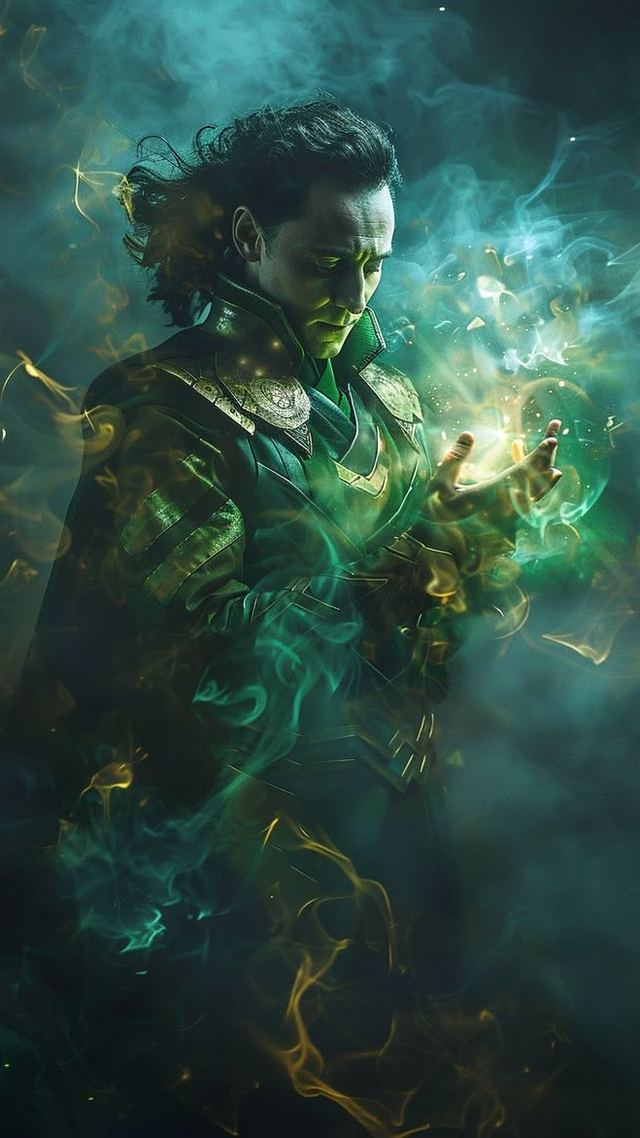
Strip out the speculation and the real ending is already strange enough to carry a theory on its own. He Who Remains built the Temporal Loom as a fail-safe with exactly two settings: a single Sacred Timeline, policed by the TVA, or total erasure of every branch the moment he lost control. Loki refused both. Using Asgardian magic, he took He Who Remains' place at the loom and became, in the show's own words, the multiverse's living support structure — this site's Loki profile describes him 'sitting at the base of Yggdrasil, holding every branching timeline together by hand,' newly crowned the God of Stories. For the full blow-by-blow, this site's breakdown of exactly how the season 2 finale plays out covers it in detail. The TVA itself survived with a reformed purpose, no longer answering to Kang or He Who Remains — what the TVA actually does now is its own story — and O.B. rewrote its Guidebook to function without the Loom at all. No season 3 has been announced. Marvel has called season 2 a complete ending, full stop.
A Structure Needs a Foundation
Here's where the real facts stop and the theory starts. Nothing in Loki's finale specifies what it costs him, personally or materially, to hold an infinite and still-branching multiverse together alone, forever, with no relief shift. But nothing in the MCU's cosmic bookkeeping has ever been free either — the Loom itself was a fail-safe built on scarcity, offering exactly one timeline's worth of stability and nothing more. It's reasonable, as theory, to ask whether Loki's alternative — infinite branches, permanently upheld by one god's will — simply moved the bill somewhere else instead of cancelling it.
Why Asgard, Specifically
This is the article's real leap, so let's be honest about it being one: Loki holds Yggdrasil together using Asgardian magic, not TVA technology, not Infinity Stone power, not something borrowed from Doctor Strange's side of the multiverse. If the raw material powering that structure is Asgardian in nature, the most speculative but most dramatically satisfying reading is that it draws, at least partly, on what's left of Asgard itself in the main branch — meaning New Asgard, the refugee settlement Asgard's survivors built after Ragnarok and the losses that followed. Not destroyed. Not erased outright. Just quietly thinned — fewer people, weaker standing, a background detail nobody in-universe has had reason to question yet, because nobody outside Loki's own head knows what the maintenance actually costs.
The Hall H Clue: Thor vs. Doom, Not Thor vs. the Sentinels
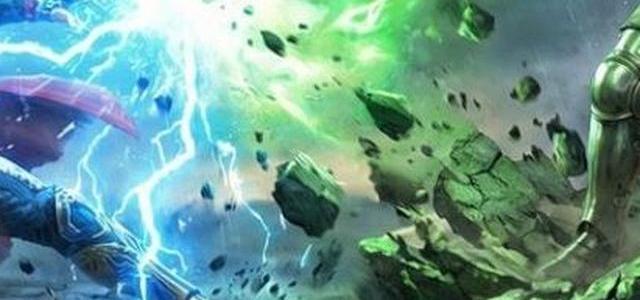
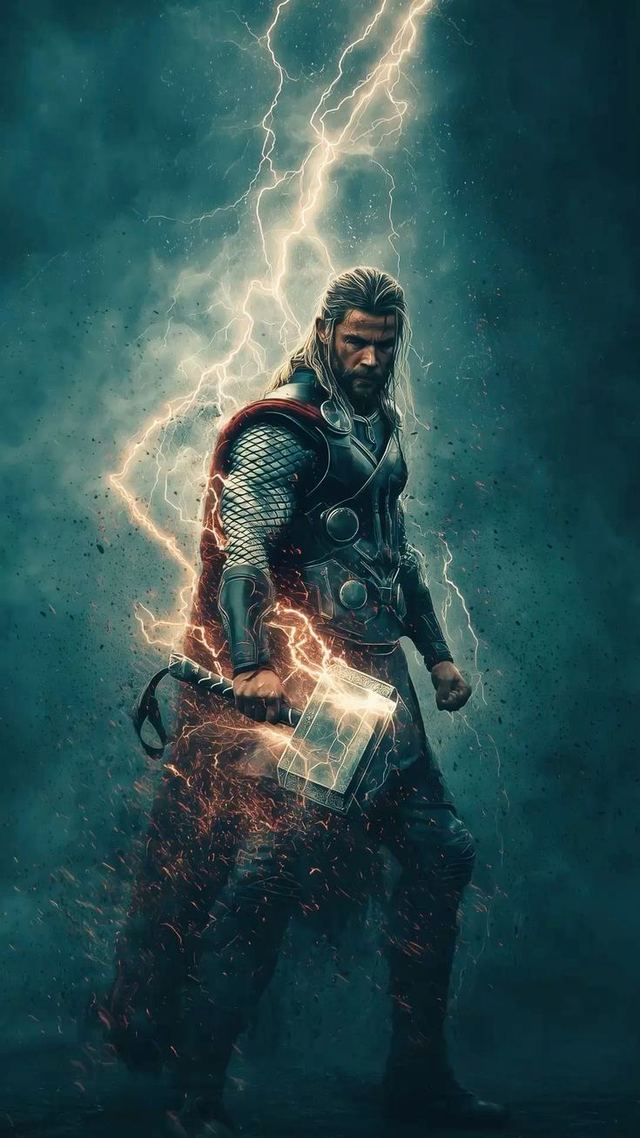
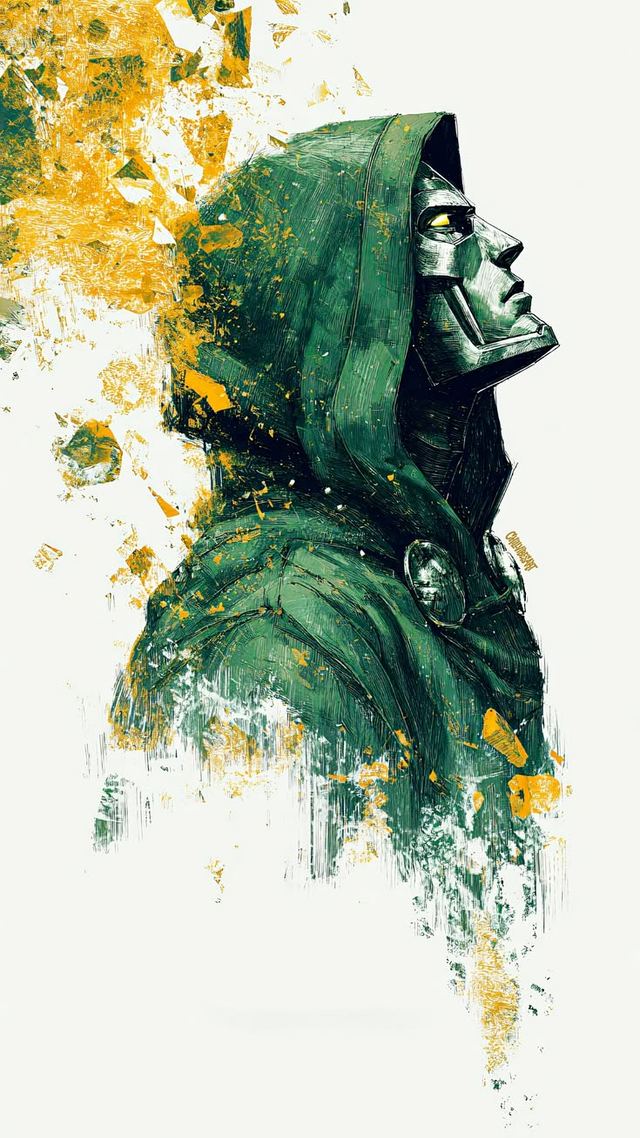
Doom's Hall H reel gave the fandom plenty to chew on that has nothing to do with Asgard: an army of Sentinels at his command, an opening set on Earth-828 (the Fantastic Four's home reality), Sue Storm narrating a 'stolen lives' backstory for Doom, and a throne room with a green rune-covered floor and a family mural. Buried in the middle of all that is one detail that matters more to this theory than any of it — Avengers: Doomsday footage reportedly shows Doctor Doom blocking a strike from Thor's hammer directly. A director doesn't need a personal reason to put a god of thunder and a man in armor in the same frame — it's a trailer-ready image on its own. But it's also exactly the shot you'd use if Thor has a question only Doom can answer. If something about New Asgard, or its people's place in the timeline, has gone quietly wrong since Loki restructured the branches, a direct, aggressive move against the film's central threat plays less like Thor joining a battle and more like Thor collecting a debt.
| Detail | Status |
|---|---|
| Loki destroys the Loom and holds the multiverse together as Yggdrasil | Confirmed — Loki season 2 finale |
| Thor is cast in Avengers: Doomsday and reportedly faces Doom directly in Hall H footage | Confirmed — SDCC 2026 casting news |
| Maintaining Yggdrasil carries an ongoing cost | Theory |
| That cost has thinned or altered New Asgard specifically | Theory |
| Thor's confrontation with Doom is personally about his people, not just plot mechanics | Theory |
Holding up the sky was never going to be free. Loki just never told anyone what he was spending, or whose account it was coming out of.
Where This Overlaps With Loki's Own Disappearing Act
This theory gets more interesting next to a separate, equally speculative read on this site: the theory that Loki structurally can't appear as a normal character in Doomsday at all. If his entire post-season-2 job is to be the load-bearing structure of the multiverse rather than a combatant walking around inside it, he can't exactly fly in and explain himself if something back home has gone wrong. That leaves Thor — the brother still able to throw a hammer and demand answers — as the only member of that family who can actually show up in the frame. Two unconfirmed theories, but they lean on each other in a way that at least holds together internally.
What Would Confirm or Kill This Theory
What Would Confirm It
- Any shot of New Asgard in Doomsday looking visibly diminished, abandoned, or different from its last on-screen state
- Dialogue from Thor referencing his people, his home, or something 'missing' since Loki's ending
- Doom's 'stolen lives' backstory turning out to involve Asgardians specifically, not just Fantastic Four-adjacent characters
- Any on-screen acknowledgment that Loki's stewardship of the timeline carries a cost at all
What Would Kill It
- New Asgard appearing intact and unaddressed, with Thor's motivation explained as straightforward heroism
- The Doom-Thor confrontation being framed as pure action spectacle with no personal stakes attached
- Any confirmation that Loki's Yggdrasil arrangement is stable, cost-free, and unrelated to any single world's fortunes
- Marvel confirming Tom Hiddleston's Loki appears on screen in a way that resolves the character's status directly, removing the need for this kind of reading altogether
Until Avengers: Doomsday actually opens on 18 December 2026, this stays exactly what it's labeled: a theory built from one confirmed ending, one confirmed casting, and one confirmed shot of a hammer meeting a fist. Whether Thor is fighting for the multiverse or fighting for his own people might be the same question, or it might be two different movies wearing one trailer. That gap is worth watching.
Frequently asked
Is there any official confirmation that New Asgard is affected in Avengers: Doomsday?
What actually happens at the end of Loki season 2?
Why does this theory single out Thor's fight with Doom specifically?
Does this theory require Loki to appear on screen in Doomsday?
What would prove this theory wrong?
Characters in this story
Catching up on the MCU? See where this fits on our full timeline.
Read next
Marvel Still Hasn't Confirmed Loki Is In Doomsday. That Might Be the Whole Point.
No confirmed cast credit. No trailer appearance. Just a rune-covered floor in Doom's throne room. What if Loki not…
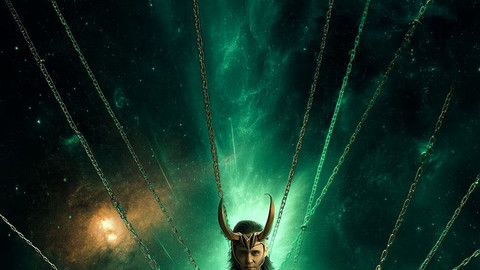
Loki Season 2 Ending Explained: The God Of Stories, The Broken Loom And What Loki Actually Became
Loki does not fix the Temporal Loom. He destroys it and replaces it with himself. Here is what the God of Stories…
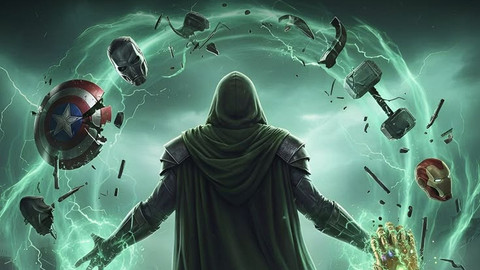
The Darkest Doomsday Theory Yet: Doom Can Only Build Battleworld If He Killed the God of Stories
If Doom really survives the multiverse's collapse and rebuilds it as Battleworld, the power has to come from…