Avengers: Endgame Ending Explained: The Snap, Tony's Death And Where Steve Rogers Actually Went
Tony snaps, Thanos turns to ash, and Steve Rogers grows old off-screen. Here is exactly what happened in Endgame's final twenty minutes and why it still matters in 2026.
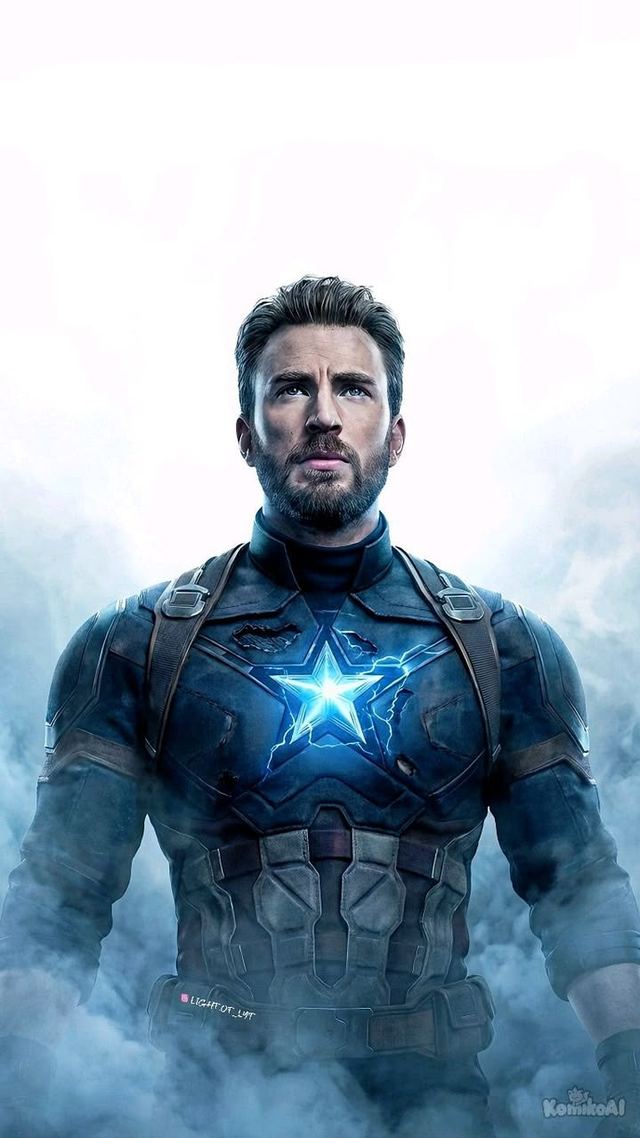
Short answer: the Avengers retrieve the six Infinity Stones from six points in the past, Bruce Banner uses them to restore everyone Thanos erased, and when a 2014 version of Thanos follows them home, Tony Stark steals the Stones off Thanos's own gauntlet and snaps him and his army out of existence. The radiation kills Tony. Steve Rogers then returns each Stone to the exact moment it was taken, chooses to stay in the past and live a life with Peggy Carter, and comes back as an old man to hand the shield to Sam Wilson. That is the ending. The rest of this piece is why each of those beats works the way it does.
What actually happened
Endgame runs on a specific set of time-travel rules that the film states out loud twice, and viewers still argue about them because they are not the rules of Back to the Future. The Ancient One explains it to Bruce in 2012: the Infinity Stones create the flow of time. Remove one from a moment and that moment's timeline does not correct itself, it branches into a new, darker reality. This is why the plan is not 'go back and kill baby Thanos' and why every borrowed Stone has to be put back.
| Stone | Where it was taken from | Who retrieved it |
|---|---|---|
| Space (Tesseract) | New York, 2012 | Tony and Steve, on the second attempt, in 1970 |
| Mind (sceptre) | New York, 2012 | Steve, from Hydra-infiltrated S.H.I.E.L.D. |
| Time (Eye of Agamotto) | New York, 2012 | Bruce, from the Ancient One |
| Reality (Aether) | Asgard, 2013 | Rocket and Thor |
| Power (Orb) | Morag, 2014 | Rhodey and Nebula |
| Soul | Vormir, 2014 | Clint and Natasha, at the cost of Natasha's life |
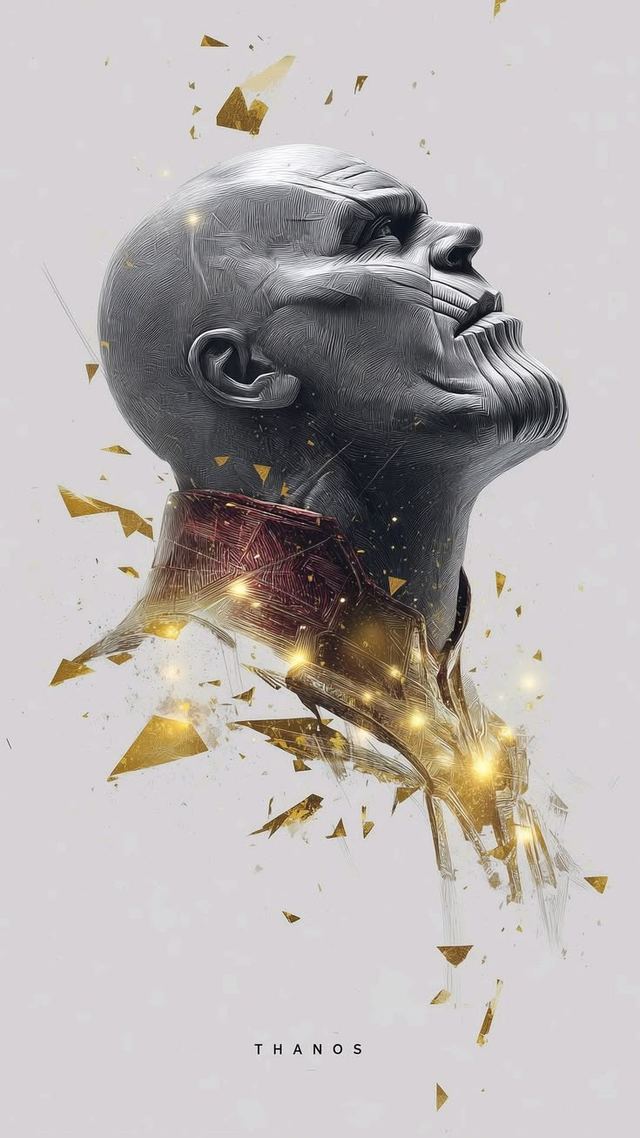
The heist half-fails. The 2012 Tesseract escapes with Loki, which forces the 1970 detour to Camp Lehigh, and 2014 Nebula's memories are read by 2014 Thanos, which is how a Thanos who has never met the Avengers arrives at their front door with a full army. The version of Thanos who dies at the end of the film is therefore not the one who won in Infinity War. He is a younger, angrier variant who has just learned he is destined to succeed and be forgotten.
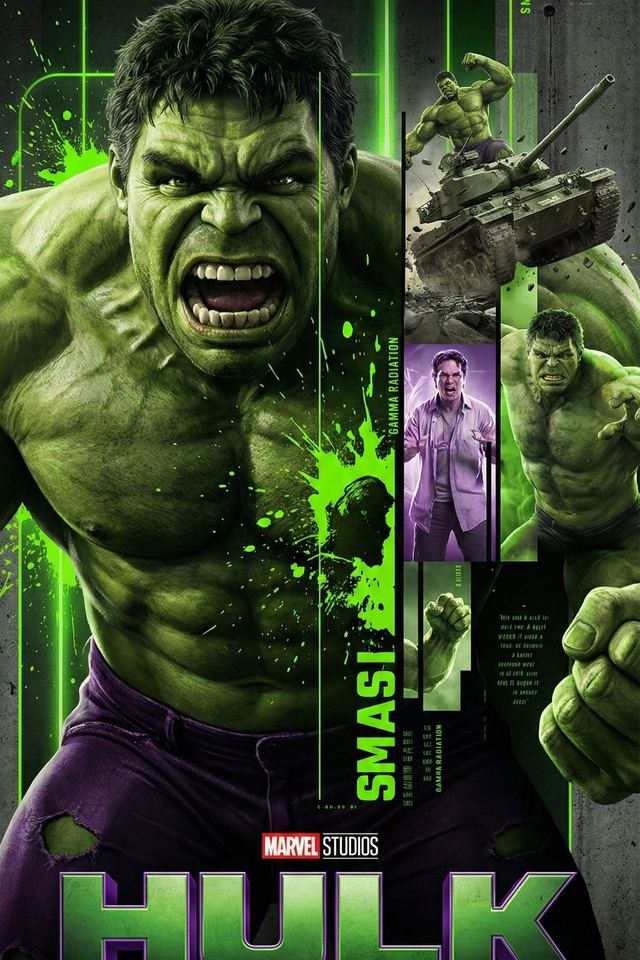
Bruce performs the restoring snap because gamma radiation is what the Hulk body is built to survive. He specifies that he brought everyone back 'as they were,' not to their exact prior locations, which is the entire reason the Blip returns are survivable. Tony's snap is the reverse: he is a man in a nanotech suit with no radiation tolerance at all, and he does it anyway.
Why Tony had to be the one
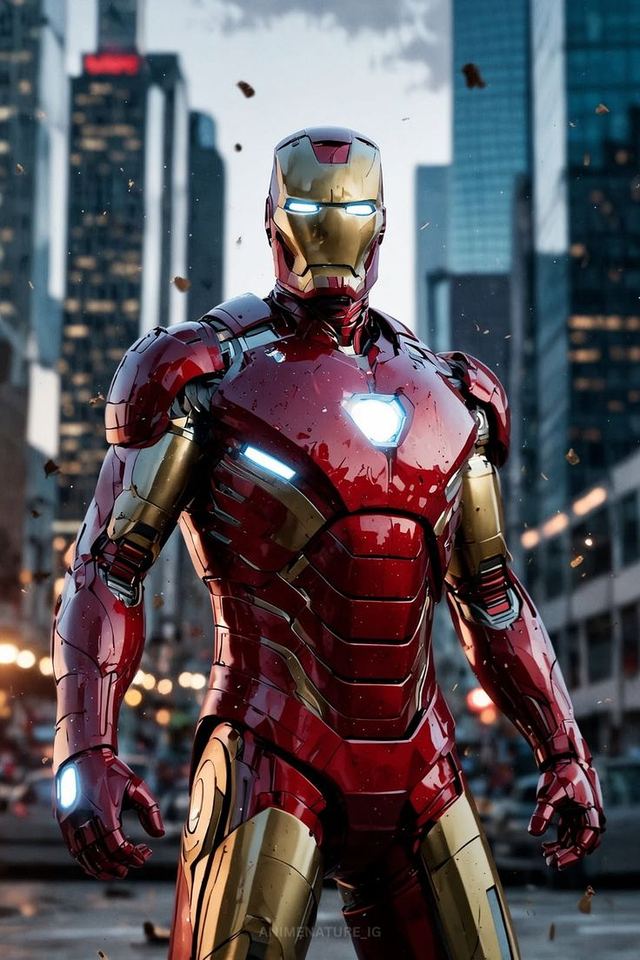
Endgame's ending is engineered so that the two lines that open and close the saga belong to the same man. In 2008, Tony Stark improvises 'I am Iron Man' at a press conference and refuses the secret identity that every other superhero franchise had treated as mandatory. In 2019 he says it again, to a purple warlord who has just declared himself inevitable, and it is a death sentence he writes for himself.
Thanos says he is inevitable. Tony's answer is that identity, freely chosen, beats destiny.
The funeral scene is the film's most efficient piece of writing. Pepper sets the framed arc reactor from Iron Man on the lake, engraved with the line she had put on it eleven years earlier. Every significant character Tony affected stands on that lawn, including Harley Keener from Iron Man 3, whom most first-time viewers do not recognise. We break the object itself down in our deep dive on Tony's arc reactor and lab.
The Steve Rogers question, and why it is still unresolved
Steve leaves on the Quantum Platform to return the Stones, does not come back on schedule, and is then found sitting on a bench by the lake as a man in his nineties. The film never shows the intervening life. Two competing explanations exist, and they come from the people who made the film.
- The writers' version: Christopher Markus and Stephen McFeely have said Steve created a branch reality by staying with Peggy, lived his life there, and then travelled back across to the main timeline as an old man to deliver the shield.
- The directors' version: Anthony and Joe Russo have said Steve lived his life inside the primary timeline all along, quietly, as a hidden second Steve Rogers.
- The consequence: under the writers' reading, Peggy's canonical MCU life in Agent Carter stays intact. Under the directors' reading, Steve was in the room for decades of S.H.I.E.L.D. history and said nothing.
Marvel has never adjudicated between the two, and nothing in the seven years since has forced the issue. It is one of the very few genuine open questions the Infinity Saga left behind, and it is worth being honest that it is unresolved rather than picking a side.
What it means for the wider story
Endgame's ending is the load-bearing wall for everything Marvel has done since, in three specific ways.
- The Blip becomes a social event, not a plot device. Five years of the world moving on and then everyone returning at once drives Far From Home, the Flag Smashers in The Falcon and the Winter Soldier, and a good deal of the MCU's ground-level texture.
- Loki's escape with the Tesseract creates the Loki series, the TVA, and by extension the entire multiverse infrastructure the Saga now runs on.
- The two legacy handovers, the shield to Sam and the armour's absence, opened the two slots that Captain America: Brave New World and Ironheart have since tried to fill.
The bigger structural point: Endgame proved that a decade-long payoff can work, and Marvel has been trying to build a second one ever since. That is exactly what Avengers: Doomsday and Secret Wars are for.
What's next
Doomsday arrives on 18 December 2026 with the Russos back in the chair and Michael Waldron writing, and it carries the strangest casting decision in Marvel history: Robert Downey Jr. returns, but as Doctor Doom, not Tony Stark. Marvel has confirmed a roughly thirty-name cast drawing on heroes from what the studio's own logline calls three distinct universes. Chris Evans is confirmed to be in it; his role is not confirmed, and anyone telling you definitively whether he is playing Steve Rogers or Johnny Storm is guessing.
Secret Wars follows on 17 December 2027, with RDJ as the only publicly confirmed cast member, and Kevin Feige has framed it as both the end of the Multiverse Saga and a reset. Whether that reset undoes any of Endgame's ledger, including Tony's death, is exactly the sort of thing the marketing will tease and nobody should treat as settled. For how the multiverse machinery got here, the Loki season 2 finale is the essential companion piece.
Frequently asked
Why did Tony Stark have to die in Endgame?
Did Steve Rogers create a new timeline by staying with Peggy?
Is the Thanos who dies in Endgame the same one from Infinity War?
Does Endgame's ending still matter after Doomsday was announced?
Characters in this story
Catching up on the MCU? See where this fits on our full timeline.
Read next
Avengers: Endgame Easter Eggs: 24 References, Callbacks And Comic Nods You Missed
Endgame is a three-hour victory lap through eleven years of MCU history. Here are the verified callbacks, comic…
Spider-Man: No Way Home Ending Explained: The Spell, The Erasure And What It Sets Up For Brand New Day
Everyone forgets Peter Parker exists, and he asks for it. Here is exactly how the final spell works, what it cost…
Loki Season 2 Ending Explained: The God Of Stories, The Broken Loom And What Loki Actually Became
Loki does not fix the Temporal Loom. He destroys it and replaces it with himself. Here is what the God of Stories…