Doctor Doom Doesn't Need Loki's Power — He Just Needs to Plan Better
The popular theory says Doom stole Loki's god-power in some offscreen confrontation. Here's the less flashy, more unsettling read: he never needed to steal anything at all.
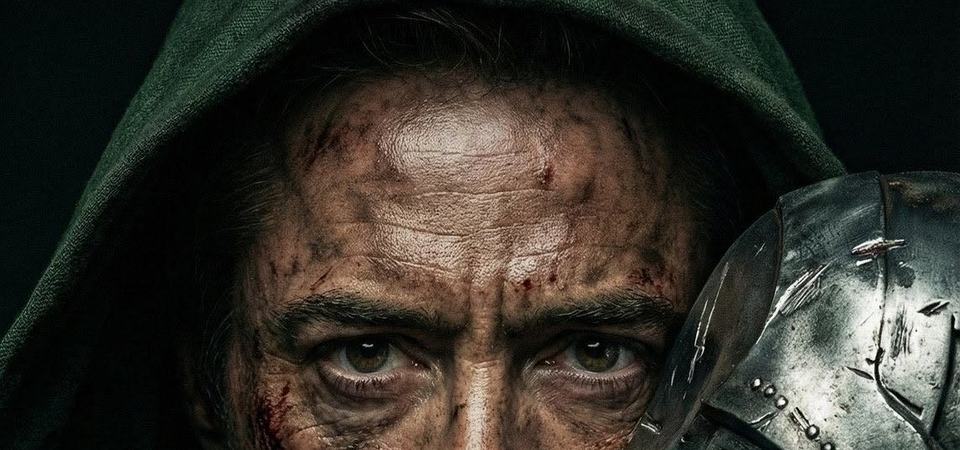
The loudest theory connecting Loki to Doctor Doom right now assumes a heist: that Doom, somewhere offscreen, took the God of Stories' power by force or by a sacrificial killing, and that's how he gets strong enough to threaten three universes at once in Avengers: Doomsday. It's a fun read, and this site has already made the case for it in detail. But it isn't the only way to explain why Doom looks unbeatable. There's a quieter, more unsettling version that doesn't require Doom to touch Loki at all — one where he just plans better.
The Theory Everyone's Already Arguing About
This site has covered the power-theft read in full: the theory that Doom killed Loki or received a sacrificial transfer of his power, mirroring the comics' Secret Wars setup where Doom takes the Beyonder's cosmic authority. It's a legitimate theory, built on a real structural question — how does one man threaten a fight across three universes? But that piece talks itself into its own caveat: as of this writing, Tom Hiddleston isn't on Doomsday's officially announced cast list at all, which makes a direct confrontation a harder needle to thread than the theory needs it to be. This article isn't trying to refute that piece. It's asking what happens if you remove the confrontation from the equation entirely.
What Doom's Actual Villain Pattern Looks Like
This site's own comparison piece, Doom vs. Thanos vs. Kang, makes a specific argument worth repeating here: Doom's whole identity, in the comics and in how Marvel Studios has marketed this film, is built around preparation and being right about the shape of a problem — not raw physical or cosmic power for its own sake. Thanos needed six Infinity Stones. Kang needed an army of variants and a Council built on managed scarcity. The Hall H footage frames Doom differently: this site's trailer breakdown already reads him through the comics' *One World Under Doom* storyline — a ruler holding a functioning kingdom together, not an insurgent trying to seize one.
Three Villains, Three Different Kinds of Threat
| Villain | Source of threat | What he needed |
|---|---|---|
| Thanos | Raw cosmic power | All six Infinity Stones |
| Kang / Council of Kangs | Numbers and scarcity | An army of variants, a rigged multiversal order |
| Doctor Doom (this theory) | Preparation and timing | Nothing borrowed — just better information |
A villain who wins by planning doesn't need to overpower the god currently holding the multiverse together. He needs to know more about how that structure works than anyone gives him credit for, and move while everyone else is still catching up.
Why Loki's Structure Is a Known Shape, Not a Secret
Here's the part of this theory that does the actual work. Loki's stewardship of Yggdrasil, per this site's breakdown of exactly how the season 2 finale plays out, isn't a hidden, private act. The TVA knows about it — the reformed agency exists downstream of it, running on a Guidebook O.B. rewrote specifically to function without the old Temporal Loom. A structure that an entire bureaucracy has had time to observe, document, and reorganize its own operating procedures around is not a secret. It's closer to public infrastructure — visible, studyable, and, to a sufficiently patient outside observer, mappable.
You don't have to steal a bridge to know exactly where it will crack. You just have to watch it long enough, and be the only one taking notes.
That's the whole theory in one line: Doom doesn't need Loki's power because Loki's power was never really hidden from anyone paying close enough attention. A god holding infinite branches together by will, alone, forever, is also a god running one continuous, unrelieved point of failure — and points of failure are exactly what a planner like Doom studies.
A Ruler Who Already Has a Kingdom
Look again at what the Hall H reel actually shows, stripped of any Loki connection at all. Doom commands his own army of Sentinels — not borrowed, not stolen, built. The film opens on Earth-828, the Fantastic Four's home reality, suggesting Doom already has a foothold and a history there before the plot even starts moving. His throne room has a family mural on the wall. That's not the imagery of a man who just seized cosmic power in a desperate last-minute theft. That's the imagery of a ruler who's had a kingdom, a court, and a plan in motion for a long time — possibly one that exists outside all three colliding universes entirely.
"Stolen Lives" Doesn't Have to Point at Loki
Sue Storm's Hall H narration describes Doom's backstory in terms of 'stolen lives' — real, confirmed, and deliberately vague about whose lives, or how. The power-theft theory reads that phrase toward Loki. It's just as consistent, maybe more so given the Earth-828 opening and the family mural, to read 'stolen lives' as something closer to home for Doom himself — a personal or dynastic loss the character carries independent of anything happening in Loki's multiverse at all. A companion piece on this site explores a related but separate angle on that same phrase, reading it through the branches Loki's restructuring left newly adjacent to the main timeline — worth reading alongside this one as a different mechanism entirely, not a contradiction of it.
| Claim | Status |
|---|---|
| Loki holds the multiverse together as Yggdrasil, visibly enough that the TVA rebuilt its whole operation around it | Confirmed, on-screen |
| Doom commands his own Sentinel army and opens the film already established on Earth-828 | Confirmed — SDCC 2026 Hall H reel |
| Doom's threat level comes from studying Loki's structure rather than taking his power | Theory |
| "Stolen lives" refers to something in Doom's own history, not a theft from Loki | Theory |
What Would Confirm or Kill This Theory
- Confirms it: Avengers: Doomsday gives Doom a line or scene showing detailed, specific knowledge of how Loki's multiverse actually functions, without any confrontation between them.
- Confirms it: the 'stolen lives' backstory is explained through Doom's own history — Earth-828, Latveria, his family — rather than through Loki at all.
- Confirms it: Doom's plan is framed on screen as exploiting a weakness in the multiverse's structure rather than seizing new power.
- Kills it: the film shows a direct scene of Doom taking power from or killing a version of Loki — confirming the theft theory instead.
- Kills it: Doom's strength is explained as simple raw power scaling, with no preparation or structural-knowledge angle at all.
Both readings can't be fully true at once, and neither is confirmed. But if this site's own framing of Doom as a planner rather than a brawler holds up once Avengers: Doomsday actually opens, the scarier version of this villain was never the one who beat a god in a fight. It's the one who never needed to have that fight to begin with.
Frequently asked
Does this theory say Doctor Doom never interacts with Loki at all?
Is this the same theory as the one where Doom steals Loki's power?
What does 'stolen lives' actually refer to in Avengers: Doomsday?
Is there evidence the TVA is aware of Loki's Yggdrasil structure?
How does this connect to the comics' One World Under Doom storyline?
Characters in this story
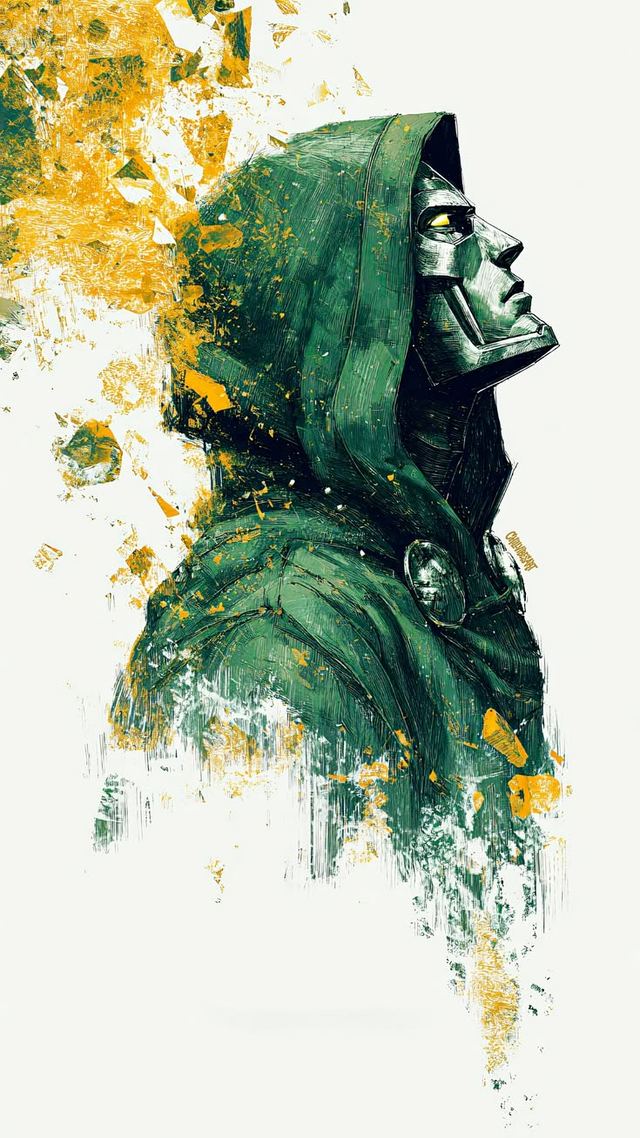
Doctor Doom
Victor von Doom
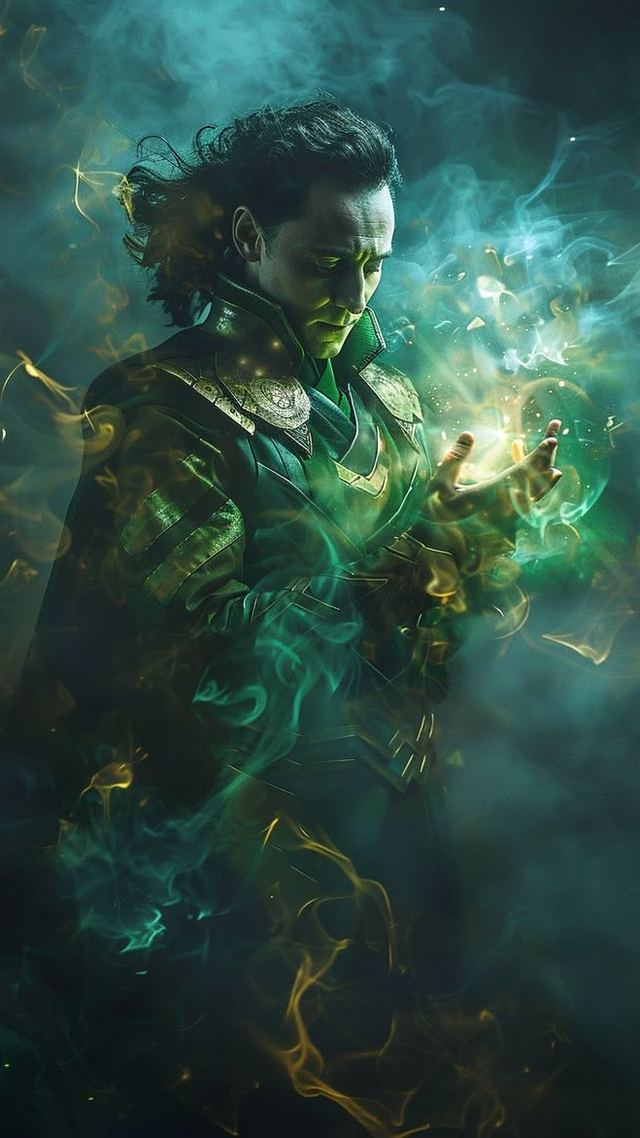
Loki
Loki Laufeyson
Catching up on the MCU? See where this fits on our full timeline.
Read next
Does Doom Kill Loki at the Tree of Time? What One Leak Claims, and Why It's a Third Theory, Not a Repeat
This site has already covered two theories about how Doom gets past Loki's power. A separate, more blunt leak says…
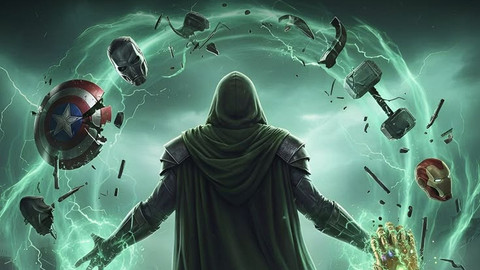
The Darkest Doomsday Theory Yet: Doom Can Only Build Battleworld If He Killed the God of Stories
If Doom really survives the multiverse's collapse and rebuilds it as Battleworld, the power has to come from…
Doom vs Thanos vs Kang: Which Franchise Villain Marvel Actually Got Right
One landed, one collapsed, and one arrives in December. A structural comparison of Marvel's three…