The Emo Spidey Debate: Is Marvel Stripping Away Spider-Man's Humor?
Reviews agree: the wisecracking, awkward-teen humor of Holland's first three Spider-Man movies is largely gone in Brand New Day. Is that Spider-Man finally growing up, or Marvel forgetting what made him fun?
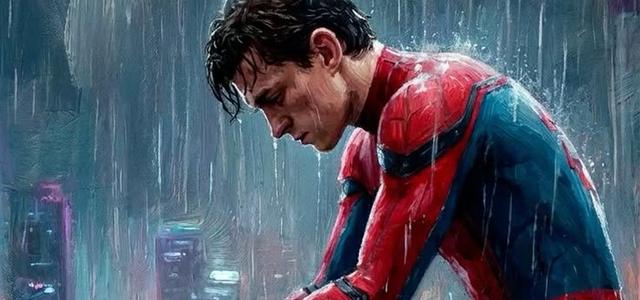
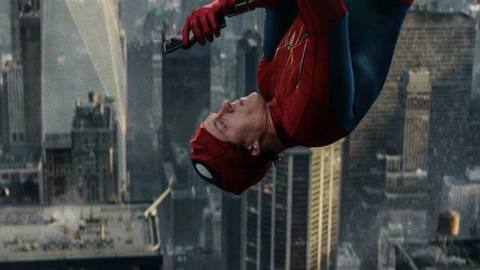
Every review of Spider-Man: Brand New Day mentions it, in almost the same words. RogerEbert.com's Brian Tallerico writes plainly: “a lot of the awkward humor of the other Holland films is gone.” The needle drops are moodier (TV on the Radio, not pop-punk), the New York skies are overcast whenever Spidey swings, and Michael Giacchino's score reportedly leans into the shift rather than undercutting it. This is a different Peter Parker than the one who narrated a school trip through his Stark internship.
Whether that's a good trade is where the reviews — and the discourse — split.
The Case For: Spider-Man Was Always Supposed to Grow Up
The character's entire comics history is built on the idea that “with great power comes great responsibility” has a cost, and that cost was often played for teenage-sitcom laughs in the Holland trilogy specifically because those films needed Peter to stay a kid. Four movies and one reality-altering memory spell later, that premise runs out — a 20-something Peter Parker who's lost his support system to a spell he cast himself isn't a character who should still be cracking one-liners at the same rate. Tallerico's review frames the shift as Holland being “invigorated,” not constrained, calling the result “a dense, great performance, easily his best in this series.”
The Case Against: Spider-Man's Whole Appeal Was Never Taking Himself Too Seriously
The counter-argument isn't nostalgia for its own sake — it's a claim about the character's identity. Spider-Man, across six decades of comics, is one of the only major superheroes who jokes constantly while fighting, specifically because the humor is armor: a working-class kid coping with a life that's actively crushing him. Strip that out entirely and you risk making Peter indistinguishable from every other brooding MCU lead. Our companion piece on tone fatigue digs into whether audiences are actually asking for this, or whether critics just reflexively reward “maturity” in franchise films regardless of what fans wanted.
Holland is invigorated by the dramatic shift, giving a dense, great performance, easily his best in this series.
Where MarvelGossips Lands
The reviews suggest a more precise picture than “Marvel killed the jokes.” Tallerico specifically credits Zendaya and Batalon with resetting the tone “right when the movie is getting too lost in its own feelings” — meaning the film knows it needs levity and assigns it to the ensemble instead of Peter. That's a real creative choice with a real cost: it works if you buy that grief has temporarily hollowed Peter out, and it risks feeling like the film lost its main character's voice if you don't. Four-for-four reviews landing on the same observation, without landing on the same verdict about whether it works, suggests this is a genuine 50/50 split rather than a settled question.
Frequently asked
Why does Spider-Man: Brand New Day feel darker than previous Holland films?
Does Tom Holland still have funny moments in Brand New Day?
Is the tonal shift in Brand New Day a good thing according to critics?
Characters in this story
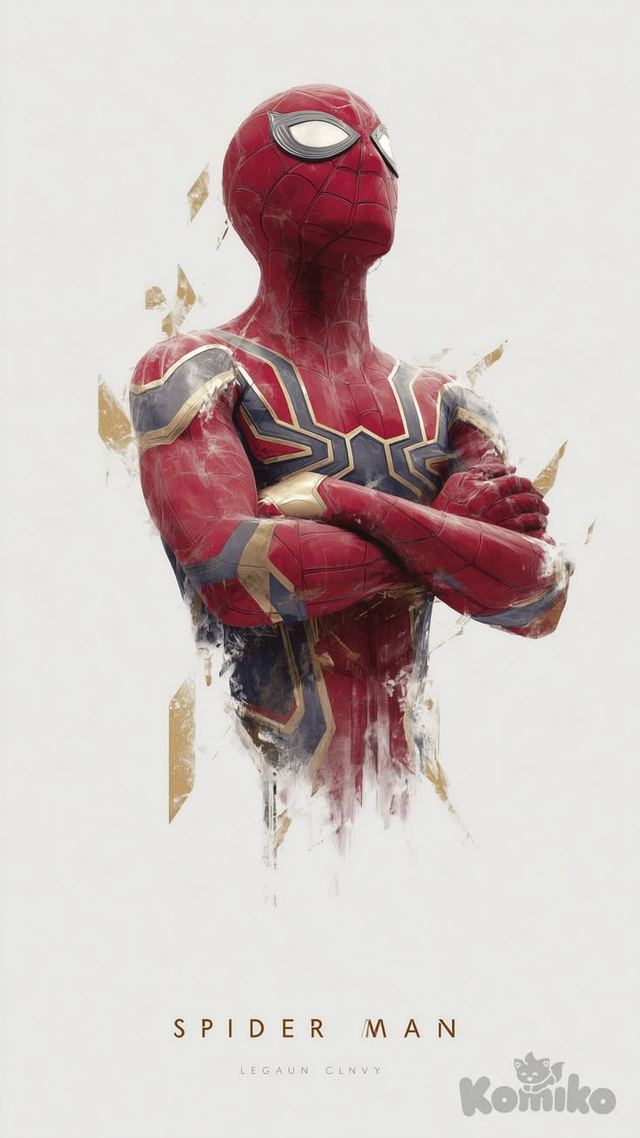
Spider-Man
Peter Benjamin Parker
Catching up on the MCU? See where this fits on our full timeline.
Read next
RogerEbert.com Says Brand New Day Is “Scared of Its Best Ideas” — And Gives It the Lowest Score On Our Tracker
Brian Tallerico's RogerEbert.com review gives Spider-Man: Brand New Day 2.5 out of 4 — the lowest score on our…
Destin Daniel Cretton's Direction: Indie Sensibility vs. Blockbuster Formula
RogerEbert.com's sharpest line about Brand New Day isn't about Holland — it's 'sadly, this isn't Spidey Term 12.'…
Tone Shift Fatigue: Do Marvel Fans Actually Want 'Dark and Gritty'?
Brand New Day trades jokes for grief, overcast skies and body horror. Critics are largely on board. Whether the…