Character profile
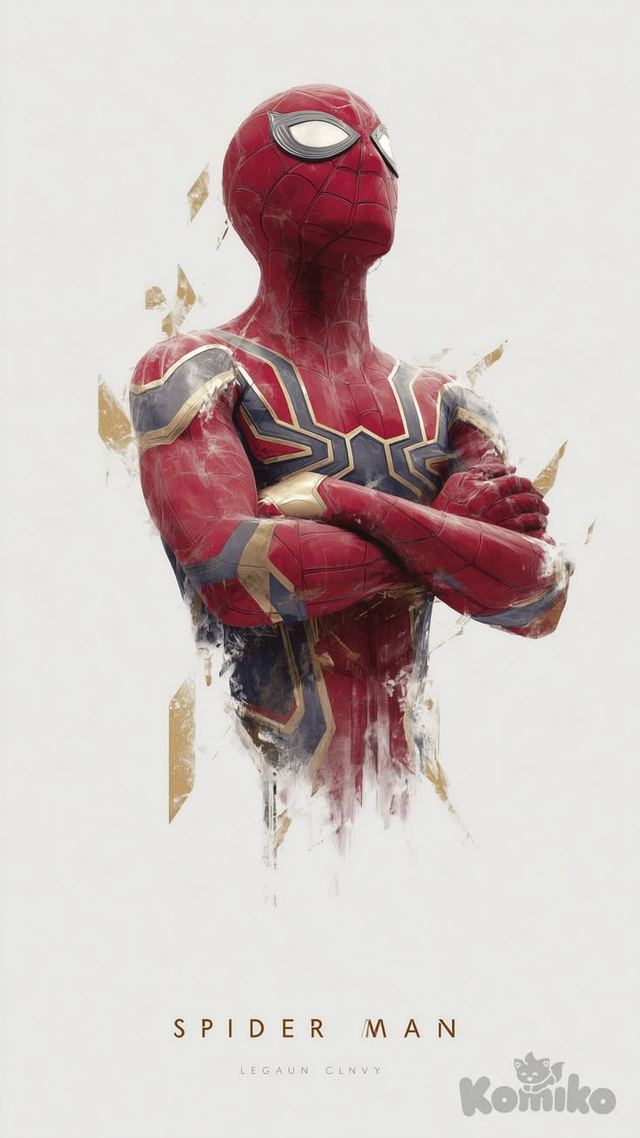
Spider-Man
Peter Benjamin Parker
With great power there must also come great responsibility.
Biography
Peter Parker was a bullied science prodigy from Queens when a radioactive spider bit him at a public science exhibition, and Marvel Comics changed shape around him. Stan Lee and Steve Ditko built a superhero who was broke, unpopular, and permanently late for everything, and that single decision rewired the genre. Amazing Fantasy #15 was meant to be a throwaway in a cancelled anthology; instead it created the template for every flawed, wisecracking, guilt-driven hero who followed.
The engine of the character is failure. Peter used his new powers to make money as a masked wrestler, refused to stop a fleeing burglar because it was not his problem, and that burglar murdered his Uncle Ben. Every version of Spider-Man in every medium returns to that beat, because it is the cleanest moral proposition in comics: power creates obligation whether you want it or not. He has carried it through the deaths of Gwen Stacy, Captain Stacy, Jean DeWolff, and Ben Reilly, and it has never let him retire.
Peter is also, crucially, a scientist. He built his web-shooters, the impact webbing, the spider-tracers, and the Iron Spider-adjacent hardware himself, and his stints at Horizon Labs and Parker Industries let writers finally use the genius the origin promised. The tension between Peter Parker the underpaid photographer and Peter Parker the man who could out-think Reed Richards on a good day is what keeps sixty years of stories from repeating themselves.
Vital statistics
- Real name
- Peter Benjamin Parker
- Also known as
- Spidey, Wall-Crawler, Web-Slinger, The Amazing Spider-Man, Friendly Neighborhood Spider-Man
- Species
- Human mutate
- Place of origin
- Forest Hills, Queens, New York City
- First appearance
- Amazing Fantasy #15 (August 1962)
- Created by
- Stan Lee, Steve Ditko
- Affiliations
- Avengers, Daily Bugle, Future Foundation, Fantastic Four, New Avengers, Horizon Labs
- Groups
- Heroes Avengers Spider-Verse
Power grid
Intelligence5
Strength4
Speed3
Durability3
Energy1
Fighting4
Rated 1–7 on the classic Marvel power-grid scale.
Powers
- Superhuman Strength
He can lift roughly ten tons, enough to hold a collapsing subway car or trade blows with the Rhino.
- Wall-Crawling
Electrostatic adhesion in his hands and feet lets him cling to and sprint up any surface.
- Spider-Sense
A precognitive tingle at the base of his skull warns him of danger a fraction of a second before it lands.
- Superhuman Agility and Reflexes
His reaction time and balance are far beyond Olympic level, which is why bullets so rarely find him.
- Accelerated Healing
He recovers from broken bones and deep tissue damage in days rather than months.
- Wall-Shattering Durability
He absorbs impacts that would kill a normal human, routinely walking away from multi-storey falls.
- Genius Intellect
He is a self-taught expert in biochemistry, physics, and engineering who designs his own gear.
- Enhanced Equilibrium
He can perch, fight, and hold conversations from a one-finger handstand on a flagpole.
Abilities
- Doctorate-level biochemistry and applied physics
- Self-taught mechanical and electrical engineering
- Professional-grade photojournalism
- Improvised acrobatic combat style built around dodging
- Relentless psychological resilience under pressure
Weaknesses
- Ethyl chloride pesticide, which dulls his spider-sense
- Sonic and psychic attacks that overload his senses
- Chronic overextension: he never stops, and his body pays
- Loved ones as leverage, which every major villain has used
Comics history
Spider-Man carried the Marvel Age of Comics. Ditko drew the first thirty-eight issues and defined the villains that still headline films: Doctor Octopus, the Vulture, Sandman, Electro, Mysterio, and the Green Goblin. John Romita Sr. then softened the art and pushed the soap opera forward, giving Peter college, Mary Jane Watson, and Gwen Stacy.
The Night Gwen Stacy Died in Amazing Spider-Man #121-122 (1973) ended the Silver Age idea that heroes always win, and Gerry Conway and Gil Kane killed both Gwen and the Goblin in a two-issue swing that comics never fully recovered from. J.M. DeMatteis and Mike Zeck answered it in 1987 with Kraven's Last Hunt, a six-part elegy in which Kraven the Hunter shoots Spider-Man, buries him alive, wears his costume for two weeks, and then puts a rifle in his own mouth.
The modern era ran through the Clone Saga of the mid-1990s and Ben Reilly, J. Michael Straczynski and John Romita Jr.'s early-2000s run, the unmasking in Civil War, the marriage-erasing One More Day, Dan Slott's Superior Spider-Man, where Doctor Octopus took over Peter's body and did the job better, and Spider-Verse, which turned the multiverse of spiders into a franchise.
MCU appearances
| Title | Year | Note |
|---|---|---|
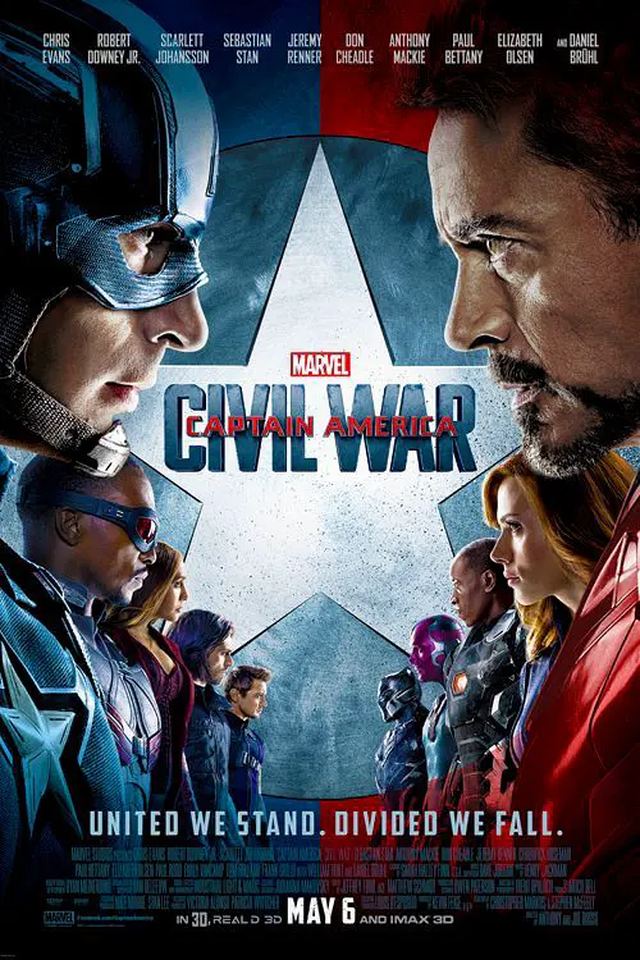
| Captain America: Civil War | 2016 | MCU debut, recruited by Tony Stark for the airport fight |
| Spider-Man: Homecoming | 2017 | First solo film, Vulture as the villain |
| Avengers: Infinity War | 2018 | Iron Spider suit and the dusting on Titan |
| Spider-Man: Far From Home | 2019 | Mysterio, and the identity reveal cliffhanger |
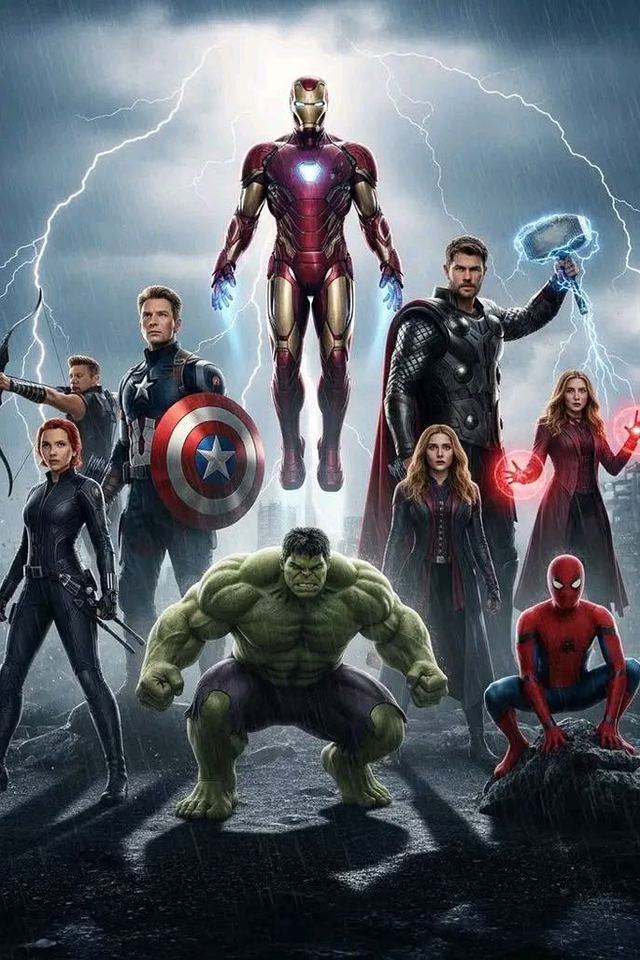
| Avengers: Endgame | 2019 | Returns in the final battle |
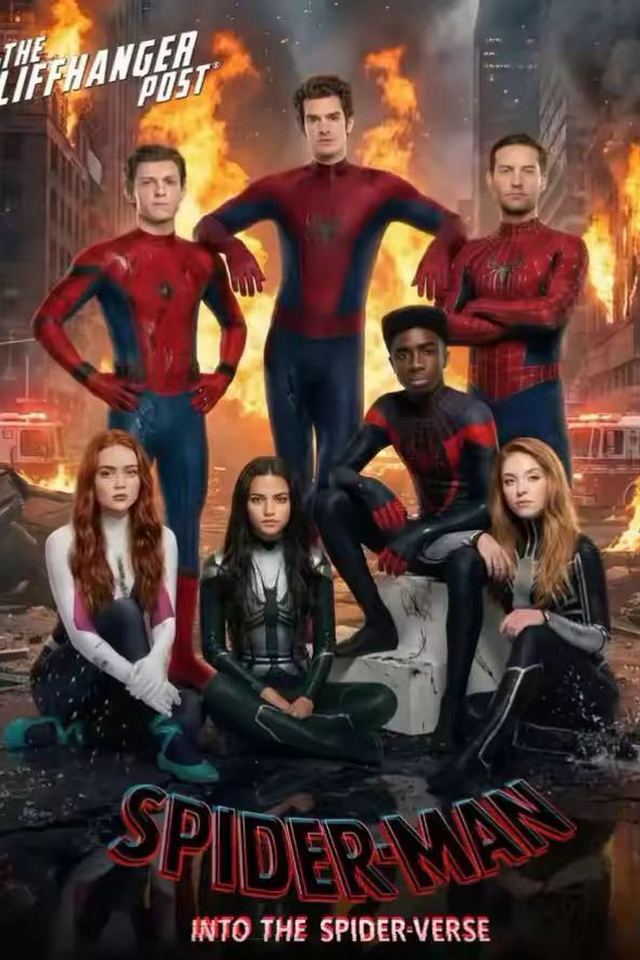
| Spider-Man: No Way Home | 2021 | Three Spider-Men, five returning villains, and total erasure from memory |
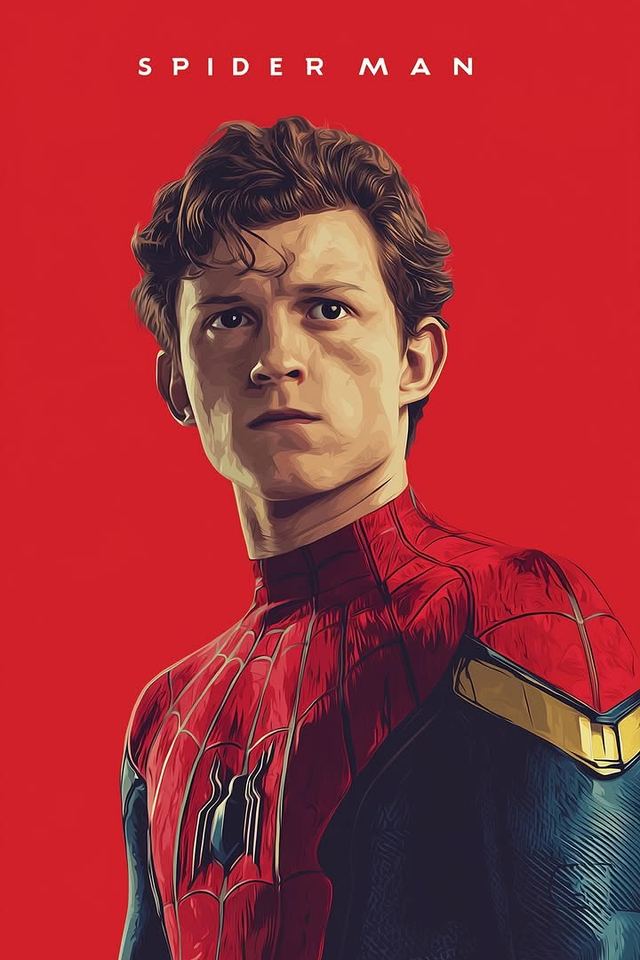
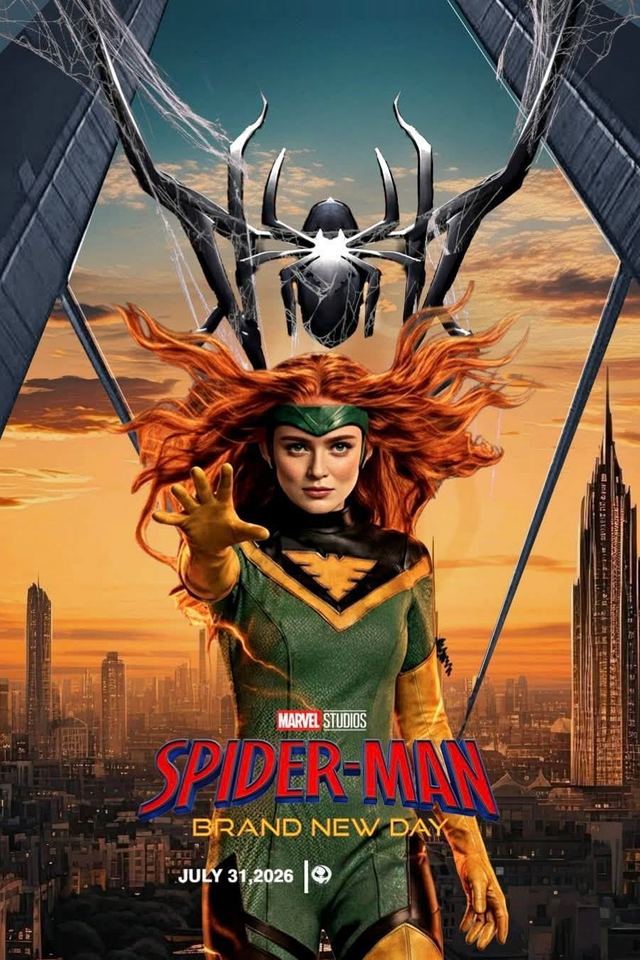
| Spider-Man: Brand New Day | 2026 | Forgotten by the world since No Way Home, protects New York anonymously as his powers evolve |
On screen
Allies
- Mary Jane Watson
- Aunt May
- Iron Man
- Human Torch
- Daredevil
- Ned Leeds
- Miles Morales
- Gwen Stacy
- Black Cat
Enemies
- Green Goblin
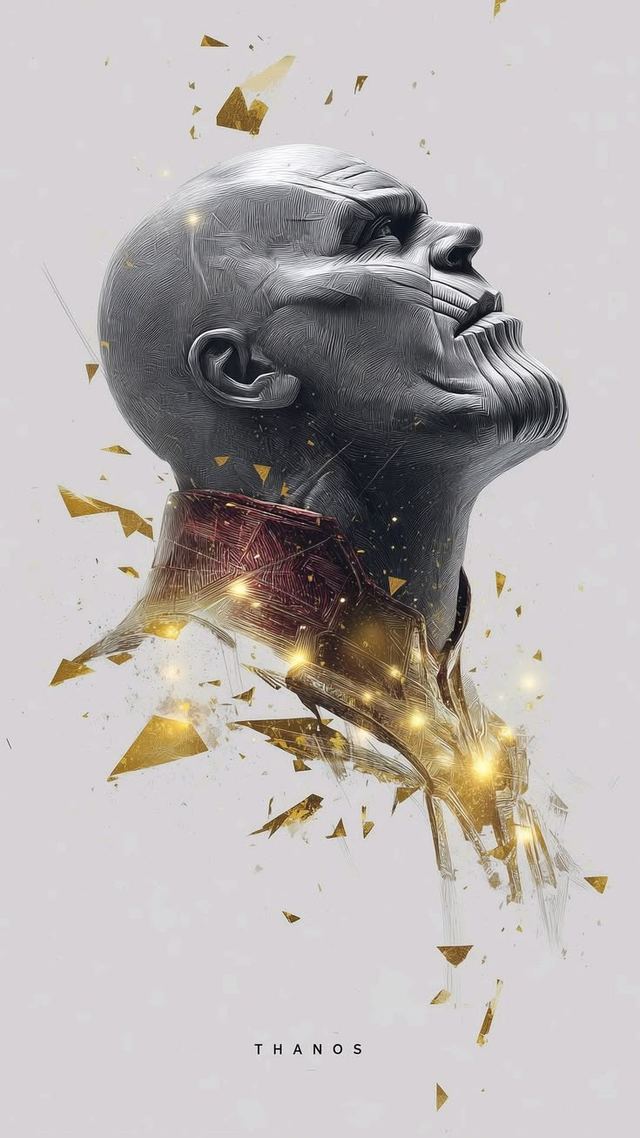
- Doctor Octopus
- Venom
- Kraven the Hunter
- Sandman
- Mysterio
- Electro
- Vulture
- Kingpin
- Carnage
Weapons & equipment
- Web-shooters
- Spider-tracers
- Impact webbing
- Web-fluid cartridges
- Iron Spider Armor
- Stealth Suit
- Symbiote black costume
- Spider-Signal belt light
- Utility belt camera
Trivia
- Amazing Fantasy #15 was the final issue of a cancelled anthology; publisher Martin Goodman only allowed the character because he assumed nobody would notice.
- Stan Lee has said Goodman initially objected that readers hate spiders and that teenagers could only be sidekicks.
- The web-shooters are mechanical in the comics. The organic shooters were a 2002 film invention that briefly bled into the comics.
- Peter has an official IQ-adjacent claim to fame: he cured himself of the Goblin serum, decoded the symbiote, and once out-engineered Doctor Octopus using a school lab.
- The black costume that became Venom was designed by a fan, Randy Schueller, whose idea Marvel bought for $220.
- Spider-Man was unmasked publicly in Civil War, then had the entire world forget his identity twice, first via One More Day and again in No Way Home.
- He has been an Avenger, a Fantastic Four member, a Future Foundation teacher, and a CEO of his own multinational, Parker Industries.
Famous quotes
When you can do the things that I can, but you don't, and then the bad things happen, they happen because of you.
I'm Spider-Man. I got no choice.
Nobody tells me anything. I'm just the guy who saves everybody.
No matter how many times you kill me, I'm going to get back up.
Anyone can win a fight when the odds are easy. It's when the odds are against you that winning means something.
Timeline
- 1962
Debuts in Amazing Fantasy #15 and immediately outsells expectations.
- 1963
Gets his own title, The Amazing Spider-Man #1, with the Chameleon and the Fantastic Four.
- 1973
Gwen Stacy dies at the Green Goblin's hands in Amazing Spider-Man #121.
- 1984
Picks up the black costume during Secret Wars, unknowingly bonding with an alien symbiote.
- 1987
Kraven's Last Hunt buries him alive and reframes the character as tragedy.
- 2002
Sam Raimi's Spider-Man opens the modern superhero blockbuster era.
- 2006
Unmasks on national television during Civil War.
- 2013
Doctor Octopus takes over his body in Superior Spider-Man.
- 2016
Joins the MCU in Captain America: Civil War.
- 2021
No Way Home unites three film Spider-Men and erases Peter Parker from the world's memory.
Gallery
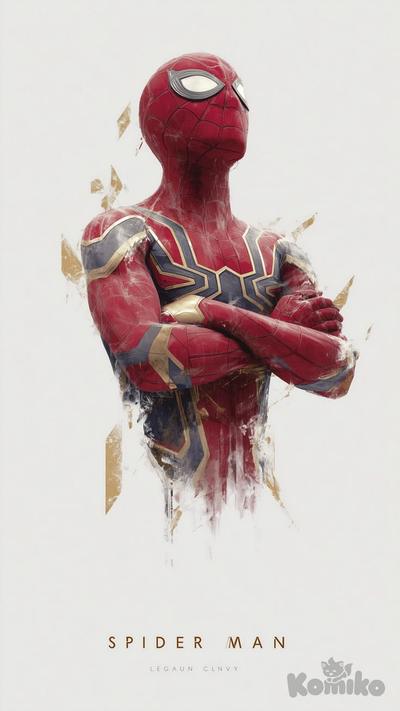
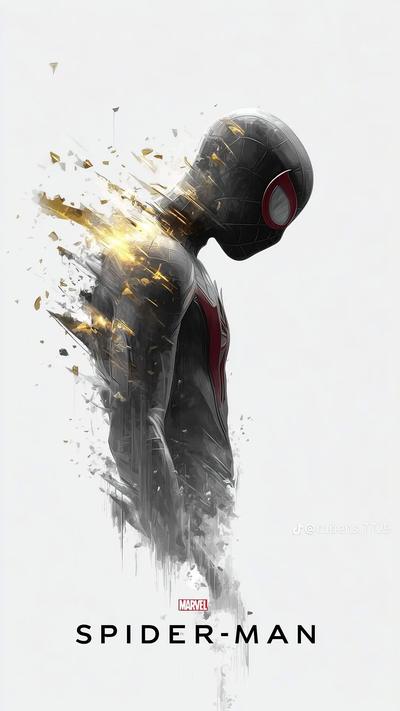

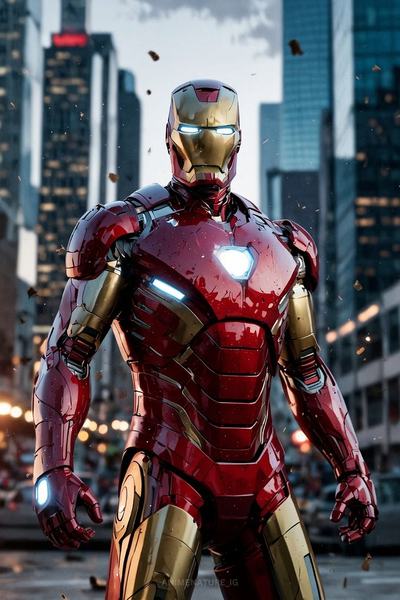


Poster art is generated from each character’s signature palette. Drop official art into assets/images/ and set the img field to swap it in.
Related characters
Miles Morales
Miles Gonzalo Morales
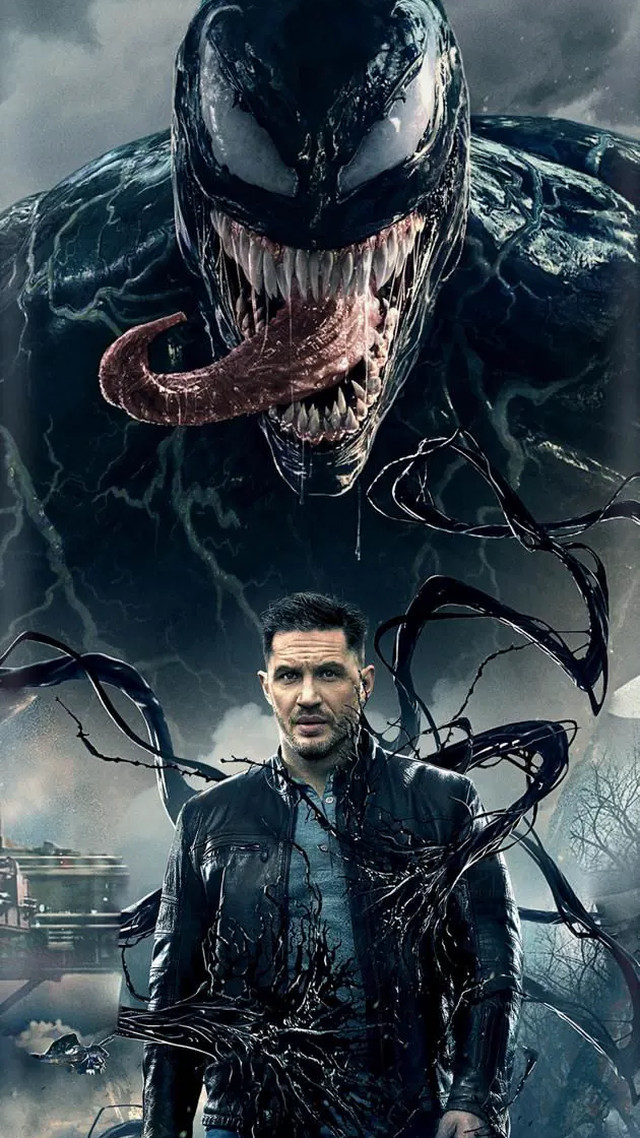
Venom
Edward Charles Allan Brock
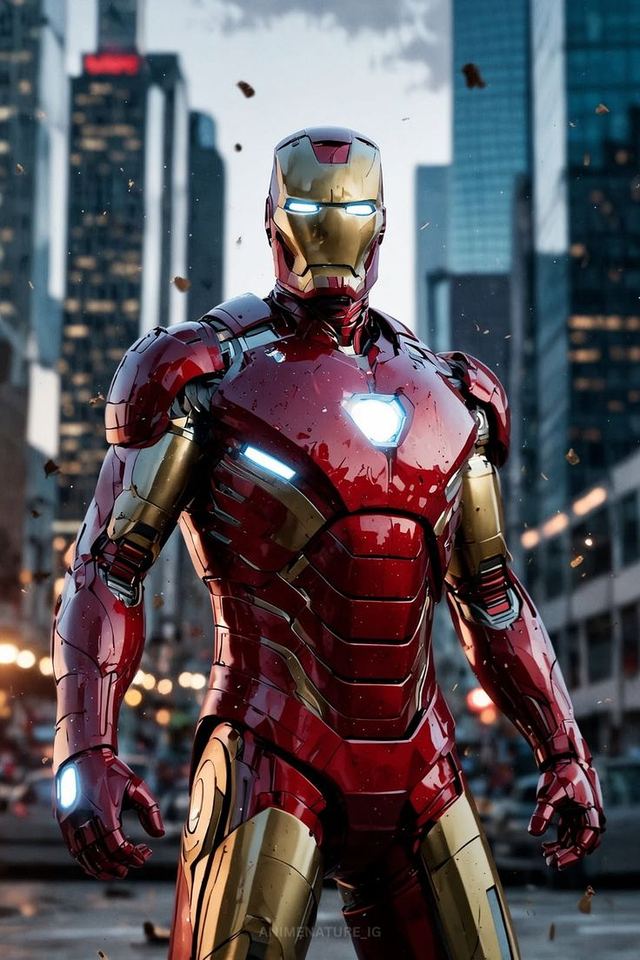
Iron Man
Anthony Edward Stark

Green Goblin
Norman Osborn
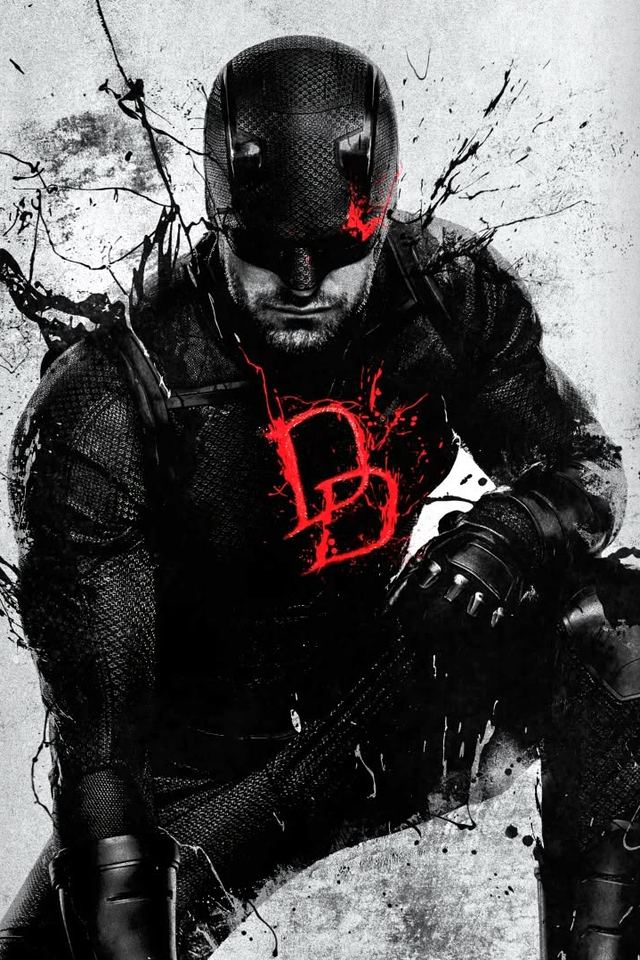
Daredevil
Matthew Michael Murdock

Kingpin
Wilson Grant Fisk
Latest on Spider-Man
What the Post-Credits Space Tracker Means for Peter in Doomsday
Ned's tracker sent Peter's dot into deep space with zero explanation. Here's the purely speculative case for why…
Did Strange's Multiverse Spell Pull Doctor Doom to Earth-616?
Doctor Strange's corrupted spell tore the sky over Liberty Island in No Way Home. Could that exact rupture be how…
E.D.I.T.H. Drones Hacked: Did Mysterio Unknowingly Give Doom Stark's Grid?
Mysterio never hacked E.D.I.T.H.'s code, he hacked Peter's trust instead. This theory asks, purely speculatively…
Frequently asked
Who is Spider-Man's greatest enemy?
Norman Osborn, the Green Goblin. He is the only villain who learned Peter's identity and used it, murdered Gwen Stacy, and later ran America as the Iron Patriot. Doctor Octopus is the better tactician, but the Goblin is the one who costs Peter people.
Are Spider-Man's web-shooters organic?
Not in the comics. Peter builds mechanical wrist-mounted shooters and mixes his own web-fluid, which is why running out mid-fight is a recurring plot point. Organic shooters were introduced for Sam Raimi's 2002 film and briefly imported into the comics before being reversed.
Why did Marvel end Peter and Mary Jane's marriage?
Editorially, the marriage was seen as ageing the character. The 2007 story One More Day had Peter and MJ trade their marriage to Mephisto to save a dying Aunt May, wiping the union from history. It remains the single most argued-about Spider-Man decision in print.
How strong is Spider-Man really?
Comics consistently place him at roughly ten tons of lifting capacity, which puts him above Captain America and below Thor or the Hulk. His real edge is his spider-sense and reflexes, which let him fight opponents who badly outclass him on raw power.