The Death of the Standalone Sequel: Why Every Marvel Movie Is Now Just 'Episode 35'
Brand New Day is being reviewed less like a Spider-Man movie and more like the next chapter of one long story. Is 'cinematic universe fatigue' finally a real problem, or is Marvel's episodic model just misunderstood?
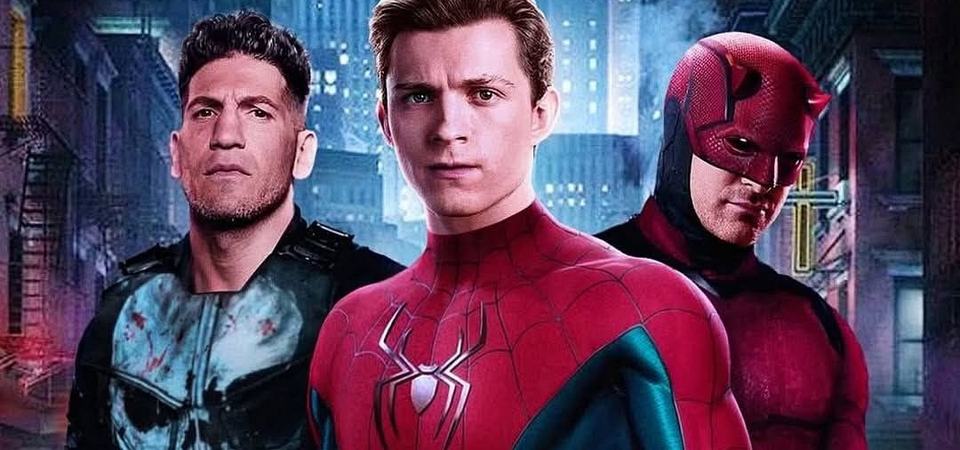
“Episode 35” is the joke, but it's not really a joke anymore. RogerEbert.com's Brian Tallerico writes that Brand New Day “succumbs to one of the biggest problems of late-stage MCU: the feeling that it's just preparation for more movies” — and notes the action is “surprisingly light on... set pieces that anyone will remember” by the time Avengers: Doomsday arrives. That's a critic reviewing a $200-million theatrical release the same way you'd review a mid-season episode of a television show: judged partly on what it pays off, and what it's setting up next.
The question underneath the joke is a real one: has the MCU actually stopped making standalone movies, or does it just get reviewed that way regardless of what's on screen?
The Case That This Really Is Different Now
Scale matters here. The MCU in 2012 was six interconnected films deep. In 2026, it's dozens of films and a dozen-plus Disney+ series deep, with a cast list and continuity ledger no single film can fully carry without either ignoring most of it or gesturing at all of it. Our coverage of Marvel's 2025 box-office correction covers part of the fallout: audiences increasingly report feeling like they need homework to watch a “standalone” release. A Florence Pugh cameo, a Hulk appearance, and direct connective tissue to a crossover event five months out — all inside one Spider-Man movie — is a heavier continuity load than any single Phase 1 film ever carried.
The Case That This Was Always the Model
Here's the counter-argument: Iron Man ended with a post-credits Nick Fury cameo explicitly promising a bigger universe, back in 2008. The “episodic” complaint isn't new — it's the model working as designed, just applied at a scale nobody had tested yet in 2008. Den of Geek's four-star review of this exact film barely engages with the “episode” framing at all, because Crow's review is measuring the film against what it does with Peter's specific story rather than against its connective tissue. A movie can function as both “episode” and “complete story” — the two aren't automatically in conflict, and treating every MCU release as pure episode ignores when a film, like this one by most accounts, gets the standalone half right.
Where the Real Argument Actually Is
The sharper version of this debate isn't “episodic storytelling: good or bad” — the format has clearly worked, commercially and often creatively, for most of two decades. It's whether a given film's episode-ness crowds out its status as a satisfying entry on its own. Every review we've tracked locates Brand New Day's problems in exactly that friction: strong, self-contained material (Peter's isolation, the MJ relationship) sharing a runtime with material that exists purely to serve the next chapter (the Hulk cameo Tallerico calls trailer bait). That's not proof the model is broken. It's proof this specific film didn't balance the two halves well.
Where MarvelGossips Lands
“Every Marvel movie is Episode 35” is a real complaint about execution, dressed up as a complaint about structure. The MCU has always been serialized — that was the pitch from the start, and it's why the universe exists at all. What's actually being tested by reviews like Tallerico's is whether, seventeen years in, Marvel can still make an installment where the “episode” business stays in service of the story instead of competing with it. On the evidence so far, Brand New Day is a partial pass: strong on Peter's chapter, weaker on keeping the wider machinery from elbowing in.
Frequently asked
What does "Episode 35" mean as a criticism of Marvel movies?
Is Brand New Day mostly setup for Avengers: Doomsday?
Has the MCU always been this interconnected?
Characters in this story

Spider-Man
Peter Benjamin Parker
Catching up on the MCU? See where this fits on our full timeline.
Read next
Has the MCU Become Nothing More Than an Overpriced Trailer Strategy?
Four critics agree on the same complaint: Brand New Day feels built to point at Avengers: Doomsday more than it…

Should Superhero Movies Be Allowed to Kill Off Core Concepts Permanently?
RogerEbert.com's review says the MCU 'doesn't exactly embrace change' — and calls Brand New Day's small steps…
Runtime Bloat: Why Modern Superhero Movies Need 140+ Minutes to Tell Simple Stories
Brand New Day runs over 140 minutes for what RogerEbert.com calls a fairly simple emotional story. Is the length…