Should Superhero Movies Be Allowed to Kill Off Core Concepts Permanently?
RogerEbert.com's review says the MCU 'doesn't exactly embrace change' — and calls Brand New Day's small steps toward permanence worth celebrating anyway. Should Marvel be taking bigger, less reversible risks?
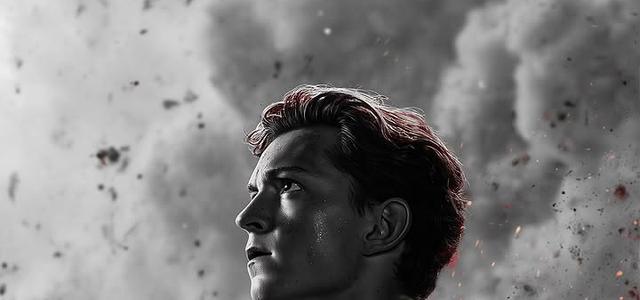
Buried near the end of RogerEbert.com's review is a line that reads less like film criticism and more like a verdict on the whole modern franchise-movie era: “the truth is that the Marvel Cinematic Universe doesn't exactly embrace change.” Tallerico isn't condemning Brand New Day for it — he goes on to say the film's “baby steps” toward a more mature, permanent-feeling status quo “should be celebrated.” But “baby steps... should be celebrated” is a low bar for a franchise seventeen years and dozens of films into its own existence.
The Case That Marvel Never Really Risks Anything
The pattern is well documented at this point: major character deaths get walked back through time travel, alternate universes or convenient resurrections; status-quo-altering choices (secret identities revealed, teams broken up, powers lost) tend to reset within a film or two. Our own coverage of Marvel's 2025 box-office correction covers part of why — a franchise this large has enormous financial incentive to protect its most bankable elements rather than risk them permanently. No Way Home itself is a case study: it erased a relationship, and Brand New Day spends its entire runtime working to rebuild exactly what got erased.
The Case That Brand New Day Is Actually a Counterexample
Here's the tension in Tallerico's own review: he's making the “Marvel avoids change” complaint about a film whose entire premise is a permanent, unresolved consequence. Peter chose the memory wipe. Nobody's undone it by the credits, according to any review published so far. MJ and Ned still don't remember. That's not nothing — plenty of blockbuster franchises would have found a plot device to reverse the spell by act three rather than build a whole sequel around living with it unreversed.
Where MarvelGossips Lands
The honest read is that Tallerico's complaint is really about scale, not direction. Brand New Day accepts a real, permanent-feeling consequence — it just keeps that consequence contained to relationships and emotional stakes rather than extending it to plot mechanics like character deaths or franchise-level status quo. That's genuine progress by the MCU's own historical standard, even if it's nowhere near the risk tolerance of, say, a comics run that's willing to kill a character for a decade. Whether “meaningful emotional consequence, but nothing structurally permanent” counts as real change is a fair thing to keep arguing about.
Frequently asked
Does the MCU avoid making permanent changes to its characters?
Does Brand New Day actually change anything permanently?
Why don't superhero movies commit to permanent stakes more often?
Characters in this story
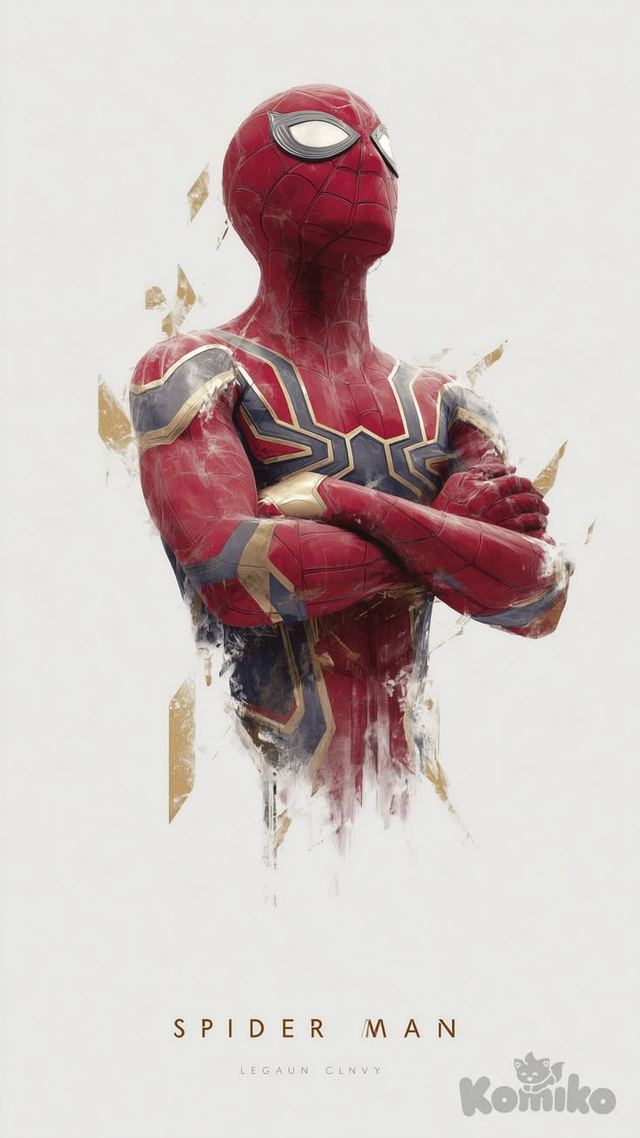
Spider-Man
Peter Benjamin Parker
Catching up on the MCU? See where this fits on our full timeline.
Read next

Has the MCU Become Nothing More Than an Overpriced Trailer Strategy?
Four critics agree on the same complaint: Brand New Day feels built to point at Avengers: Doomsday more than it…
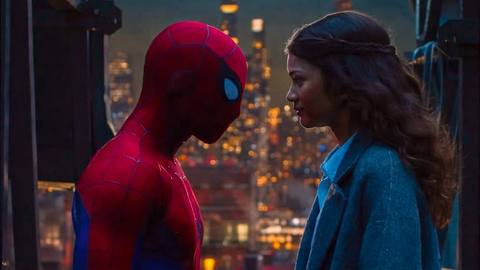
Did No Way Home's Ending Ruin Peter Parker's Supporting Cast?
Doctor Strange's spell wiped MJ and Ned's memory of Peter's identity — and five years later, Brand New Day is still…
The Death of the Standalone Sequel: Why Every Marvel Movie Is Now Just 'Episode 35'
Brand New Day is being reviewed less like a Spider-Man movie and more like the next chapter of one long story. Is…