The Dark Side of Heroism: Does Power Inevitably Lead to Monsterhood?
Marvel's own synopsis warns of 'a change in Peter he may not have the power to control.' Reviews describe an uncontrollable transformation tied straight to grief. Is Brand New Day arguing that power always curdles into something monstrous?
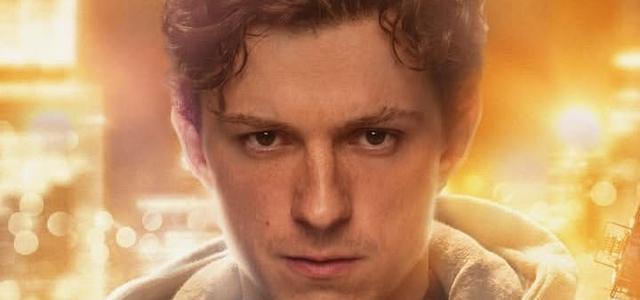
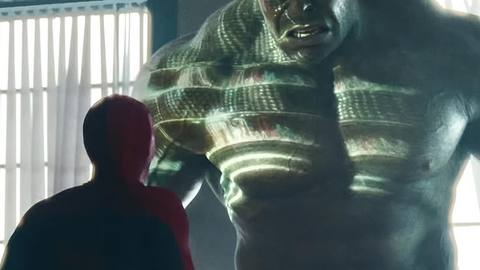
Marvel's official synopsis doesn't bury this one: “a change in Peter he may not have the power to control.” RogerEbert.com's review spells out the mechanics — a villain forces Peter to confront grief over losing MJ, and he begins transforming “in a manner that he can't always control,” badly enough that he consults Bruce Banner specifically for advice on managing a dark side. The Guardian's Peter Bradshaw goes further, describing “unprecedented new physical and mental health issues” that push the film into what he calls “the David Cronenberg zone” — body horror, not a power-up.
Two outlets, two different vocabularies, describing what sounds like the same underlying idea: trauma doesn't just hurt Peter here, it might be turning him into something else.
The Case That This Is a Genuine "Power Corrupts" Argument
Take the framing at face value and it's a familiar, respectable superhero-fiction idea: extraordinary ability without the ordinary support system to keep it in check tips toward the monstrous. Bradshaw's “Cronenberg zone” reference is specific and deliberate — body horror is a genre built entirely around the idea that transformation is something happening to you, not for you. If that's the register the film is actually working in, the argument is closer to “unchecked power is inherently dangerous” than “power is neutral until misused.”
The Case That It's Really About Grief, Not Power
Look at what triggers the transformation, though: not a fight, not a villain's attack, but Peter's own unprocessed grief over MJ — grief he has nowhere to put because she doesn't remember there's anything to grieve. That's a trauma story wearing a body-horror costume. Tallerico's review supports this read directly, framing the Banner consultation as being about “managing a dark side,” not curing a power malfunction — Banner's own MCU arc was never about the Hulk being inherently evil, it was about an unprocessed self finding no safe outlet.
Where MarvelGossips Lands
The strongest evidence is the choice of mentor. If Brand New Day wanted to argue “power corrupts,” it would send Peter to someone who lost a fight against their own strength permanently — a cautionary tale. Sending him to Banner, a character who has spent over a decade in the MCU learning to integrate rather than defeat his other half, suggests the film's actual argument is that the “monster” is manageable, not inevitable — provided Peter stops trying to carry the grief alone.
Frequently asked
What is the "man versus spider" theme in Brand New Day?
Is Brand New Day's transformation storyline body horror?
Why does Peter consult Bruce Banner in Brand New Day?
Characters in this story
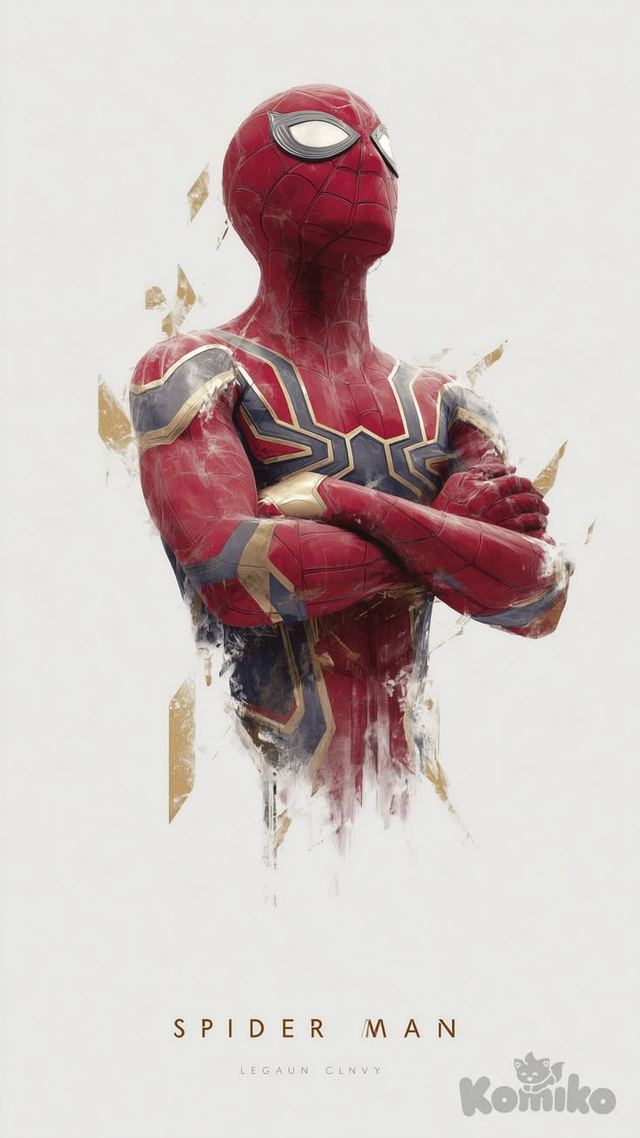
Spider-Man
Peter Benjamin Parker
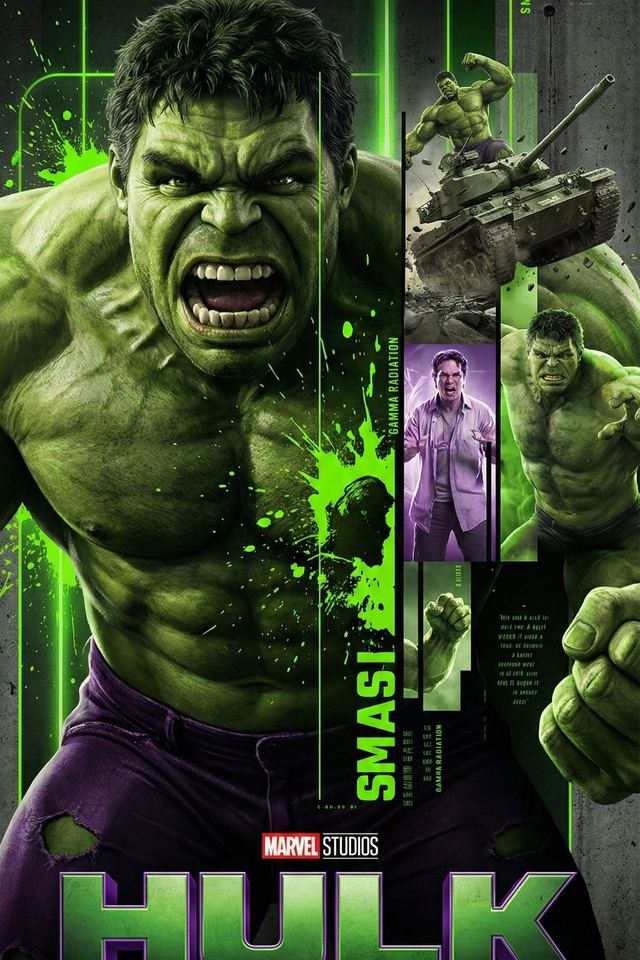
Hulk
Robert Bruce Banner
Catching up on the MCU? See where this fits on our full timeline.
Read next
The Isolation Paradox: Can Spider-Man Work Without a Secret Identity to Protect?
Brand New Day's Peter has almost nothing left to hide — and almost no one left to hide it from. Reviews describe a…

The Gamma Collision: The Theory That Peter's Fix Unleashes The Hulk
Peter is a scientist with a magical problem and no wizard left to call. The lab-accident theory is seductive — and…
Smart Hulk Is Gone: The Savage Hulk Theory Behind Ruffalo's Return
Mark Ruffalo really is in Brand New Day. The rest — a broken merge, an unleashed Hulk, a teenager with no backup…