Spider-Man: Brand New Day Is a Superhero Movie for Yearners
Beneath the box-office spectacle, Brand New Day is a superhero movie about loneliness — and proof it's time to let Peter Parker actually grow up.
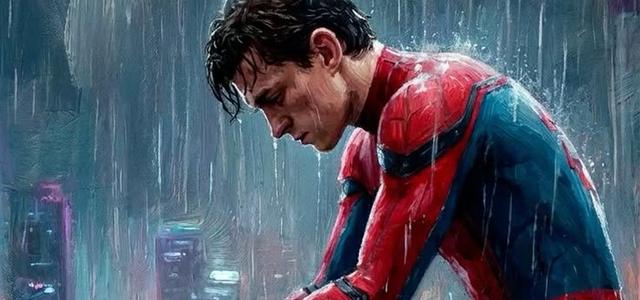
When Spider-Man: No Way Home shattered the global box office in 2021—grossing nearly $2 billion worldwide—it left Tom Holland's Peter Parker in an agonizingly quiet place. The world forgot who Peter Parker was, erasing him from the memories of his best friend Ned and his beloved MJ. Five years later, Spider-Man: Brand New Day arrives in cinemas, poised to be the biggest opening weekend of 2026 and almost certainly the most lucrative blockbuster of the year.
Yet beneath its high-octane spectacle and gargantuan commercial expectations lies something far more poignant: Brand New Day is a movie built for an era defined by an epidemic of loneliness, hyper-connectivity, and endless digital noise.
A Hero for an Age of Isolation
If you are looking for a typical superhero flick—one that simply hits predictable action beats, serves up fan-service cameos, and moves on—look elsewhere. While Brand New Day certainly delivers on blockbuster excitement, its true heart lies in Peter Parker's crushing isolation, a state of mind that lands especially hard in today's age of AI, a global loneliness crisis, and endless social media scrolling.
When the credits rolled on No Way Home, Peter promised himself he would find Ned (Jacob Batalon) and MJ (Zendaya) after they graduated to MIT and explain everything. Brand New Day reveals that he ultimately lost his nerve. Deciding their safety was worth more than his own happiness, Peter has chosen to stay entirely off their grid. He now resides alone in a dusty attic, his only companion a voice-activated computer—a stark, haunting image of modern solitude.
He now resides alone in a dusty attic, his only companion a voice-activated computer.
This isolation taps directly into what Spider-Man comics have always been about at their core: an ordinary man bearing an extraordinary burden, who keeps getting back up even at his absolute lowest. In a world where millions feel perpetually isolated despite being constantly connected online, Peter's quiet grief feels painfully relatable.
Nerd Treats and Cronenbergian Horrors
For aficionados of the Marvel universe, director Destin Daniel Cretton and screenwriters Chris McKenna and Erik Sommers offer plenty of crowd-pleasing moments. The film features a heavyweight fight between Spidey and Mark Ruffalo's Hulk, alongside an unlikely team-up with Jon Bernthal's Punisher (who appears somewhat goofier and less terrifying here than in his original Disney+ incarnation). Furthermore, Peter's heroic standing has shifted: after years of relentless crime-fighting, New Yorkers finally adore him, and arch-sceptic J. Jonah Jameson is nowhere to be found.
The film also takes a bizarre, fascinating narrative gamble by leaning into body horror. One of its central plot strands involves Peter mutating into a more powerful, spidery superhuman—a concept that evokes spine-tingling echoes of David Cronenberg's classic The Fly (the Guardian's review calls it "the David Cronenberg zone"). This storyline demands an inordinate amount of screen time, heavy on technobabble regarding a mutation-repressing "inhibitor." However, true to comic-book tradition, Peter doesn't permanently transform into an eight-legged, eight-eyed monster, leaving the fundamental status quo largely intact.
Caught in a Narrative Loop: The Case for Growing Up
For all its emotional resonance and fan-service delights, Brand New Day highlights a growing structural problem with the cinematic franchise: a reluctance to let its hero truly evolve.
In comic books, periodic resets are a necessity to keep decades-long series running indefinitely. But in cinema, audience investment often relies on watching characters age and mature alongside their actors—much like Robert Downey Jr.'s Tony Stark or Chris Evans's Steve Rogers, whose journeys play out across the full MCU timeline.
Despite this being Holland's fourth standalone Spider-Man film (not counting his ensemble appearances), Peter's central dynamics feel stuck in a loop. By erasing MJ's memory, the franchise essentially scrapped years of character development, allowing Holland to play his tongue-tied, lovelorn geek act all over again when the star-crossed lovers inevitably cross paths. In two-and-a-half hours, Peter undergoes little narrative progression that couldn't have been established in a five-minute pre-credit sequence.
There is a supreme irony in a film with "New" in its subtitle feeling so attached to the past. Tom Holland is now 30 years old, while Zendaya and Batalon's characters have already moved on to adult life post-MIT.
The Road Ahead
None of this is dampening reception. Brand New Day opened north of 90% on Rotten Tomatoes and has held there as the review count has grown past 70 (a trend we've tracked in detail) — the best-reviewed MCU film since No Way Home closed out 2021 — while running a cooler 71 on Metacritic, a reminder that broad agreement and critical enthusiasm aren't quite the same thing. Audiences and critics agree this is a good Spider-Man movie. The more interesting question is whether it's building toward anything new.
Spider-Man: Brand New Day is bound to be a colossal success—a well-crafted, emotionally resonant, action-packed phenomenon that captures the specific yearning of our modern moment. But as the franchise looks toward its inevitable next chapter, the creative team needs the courage to let Peter Parker grow up.
Audiences are ready to see an older, matured Peter balancing a career, real adult relationships, and perhaps even a family. If Holland's incarnation isn't allowed to evolve past the perpetually tragic, isolated teen-turned-young-adult, it may finally be time for him to hang up the red-and-blue suit and hand the webs over to a younger actor.
Frequently asked
Is Spider-Man: Brand New Day worth watching?
What is Spider-Man: Brand New Day about?
What does the "movie for yearners" framing mean?
Does Brand New Day permanently change Spider-Man's powers?
Will Tom Holland keep playing Spider-Man?
Characters in this story
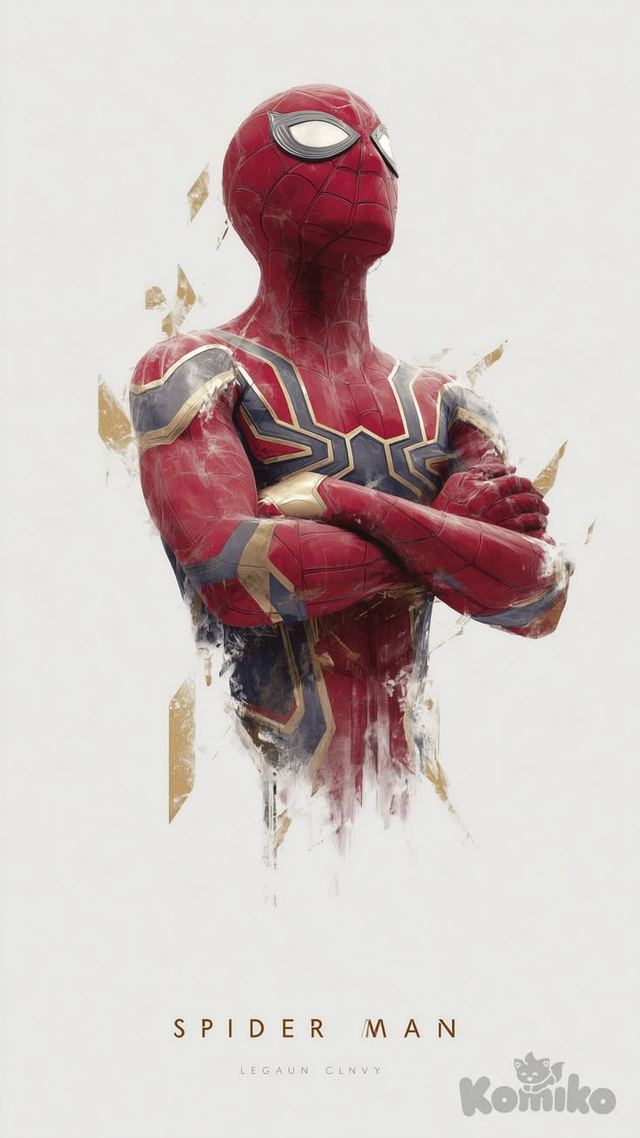
Spider-Man
Peter Benjamin Parker
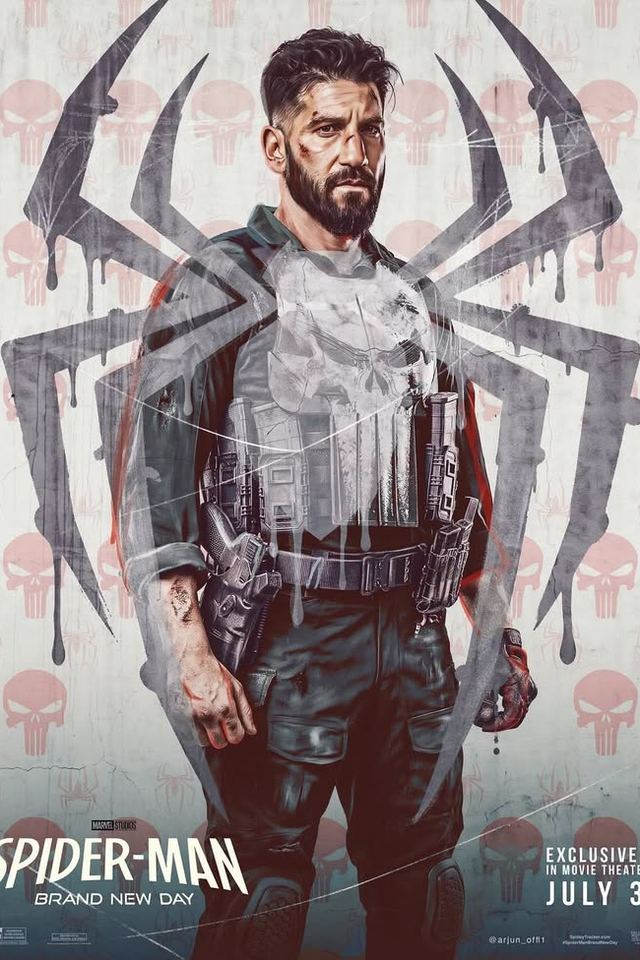
The Punisher
Francis David "Frank" Castle (born Castiglione)
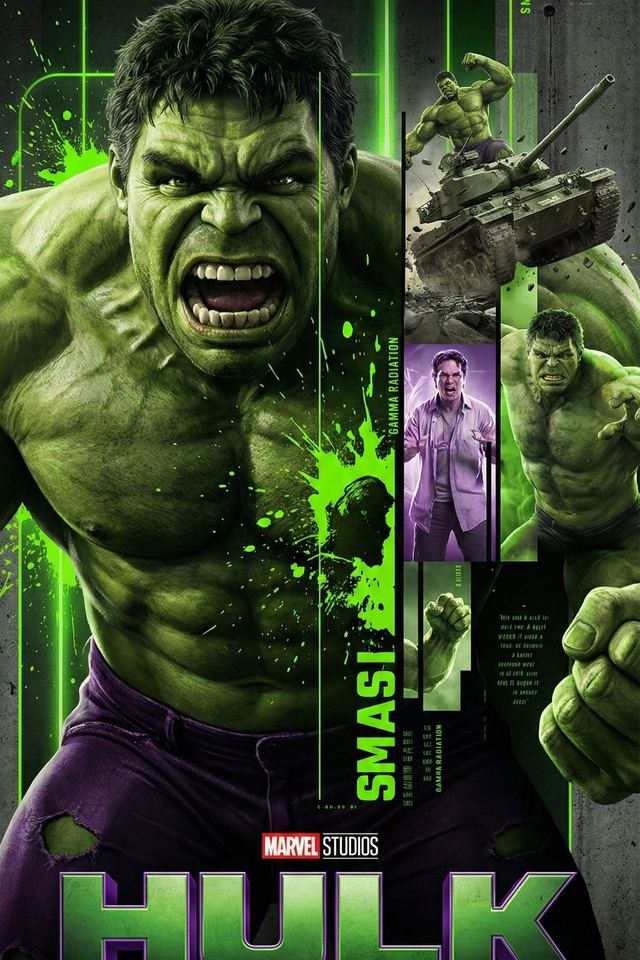
Hulk
Robert Bruce Banner
Catching up on the MCU? See where this fits on our full timeline.
Read next
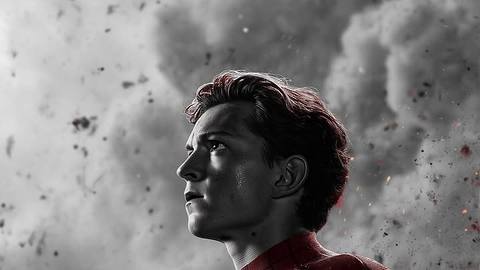
The Guardian's Brand New Day Review Isn't a Rave — It's Zendaya Saving a Semi-Cronenberg Spider-Man
The Guardian's Peter Bradshaw isn't writing a rave. He credits Zendaya with saving the film, calls its body-horror…

Den of Geek Gives Brand New Day Four Stars. Its Real Verdict Is About Tom Holland.
Den of Geek's David Crow gives Spider-Man: Brand New Day four stars and calls it the best Tom Holland has ever…
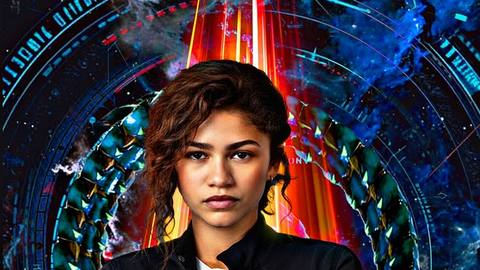
RogerEbert.com Says Brand New Day Is “Scared of Its Best Ideas” — And Gives It the Lowest Score On Our Tracker
Brian Tallerico's RogerEbert.com review gives Spider-Man: Brand New Day 2.5 out of 4 — the lowest score on our…