A Newcomer's Guide To The X-Men: Everything You Actually Need To Know
Sixty years, four hundred characters, three timelines and one very long argument about civil rights. Here is the X-Men, stripped down for people starting today.
The X-Men are the most rewarding corner of Marvel and, by a distance, the most intimidating one. Sixty-plus years of publication, several hundred named characters, at least four competing timelines and a fanbase that will happily argue about a 1991 issue for six hours. With Marvel's The X-Men set for 15 December 2028 and X-Men '97 currently the highest-rated thing the studio has ever put on television, there has never been a better moment to start. Here is the version that fits in your head.
The Core Idea
Some people are born with an active X-gene, a genetic quirk that switches on at puberty and gives them abilities. They are called mutants, and the world hates them for it. Not for anything they did — for what they are. That single premise is why the X-Men have outlasted every other Marvel team as a metaphor: it has been read as civil rights, as queerness, as disability, as immigration, and as adolescence, and the books have been strong enough to hold all of those readings at once.
Charles Xavier, a telepath, opens a school. He recruits mutant teenagers, trains them, and sends them out to save a world that would prefer they did not exist. That is the X-Men. Everything else is elaboration.
The Ten People You Actually Need To Know
| Character | Power | Why they matter |
|---|---|---|
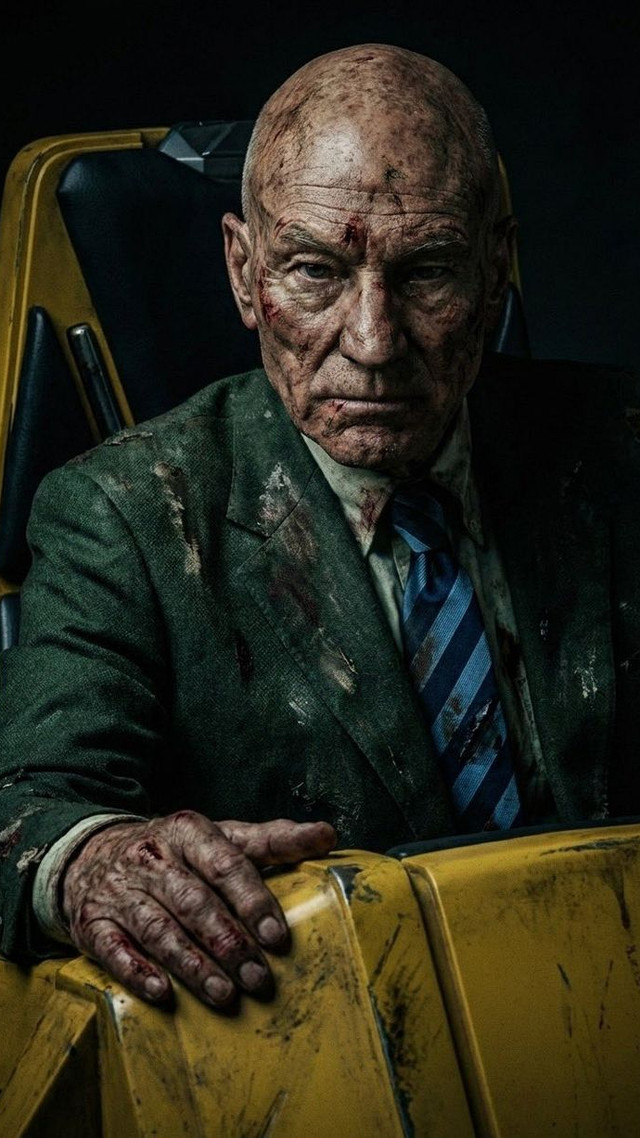
| Professor X | Telepathy, arguably the strongest on Earth | Founder and moral compass. Also, increasingly, the character the books hold responsible for the movement's failures. |
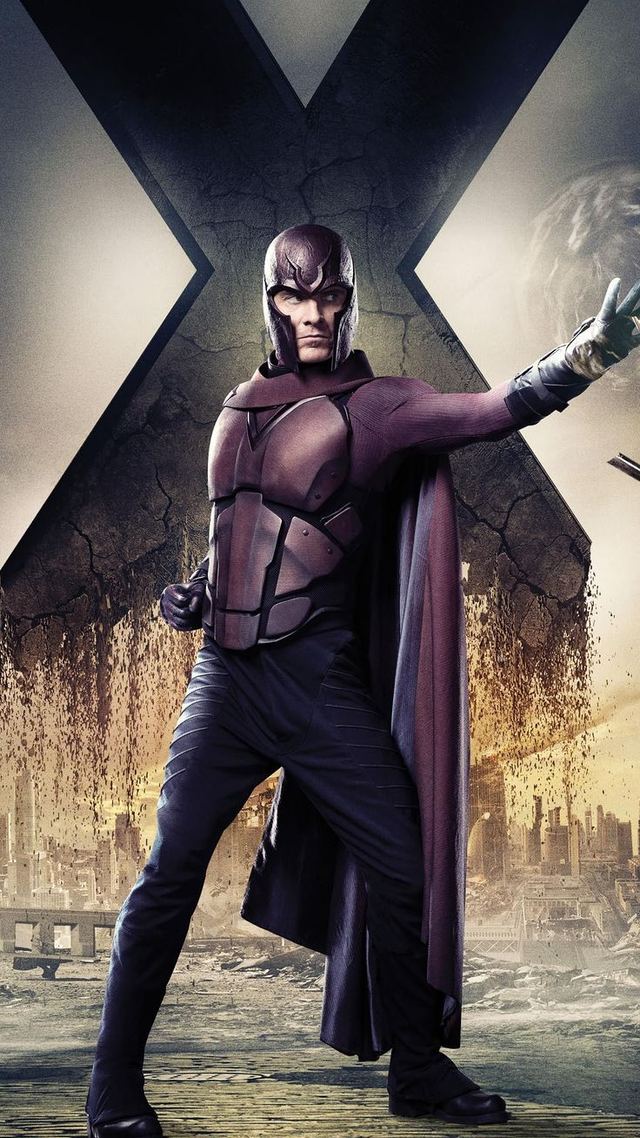
| Magneto | Magnetic field control | The counter-argument in human form. A Holocaust survivor who concluded that asking politely does not work. |
| Cyclops | Uncontrollable optic force blasts | Field leader. Long dismissed as boring, now widely reappraised as the most tragic figure in the book. |
| Jean Grey | Telepathy and telekinesis, plus the Phoenix | The most powerful X-Man and the centre of the franchise's defining tragedy. |
| Storm | Weather control | Team leader, former goddess, and the character with the widest gap between her power level and her screen time. |
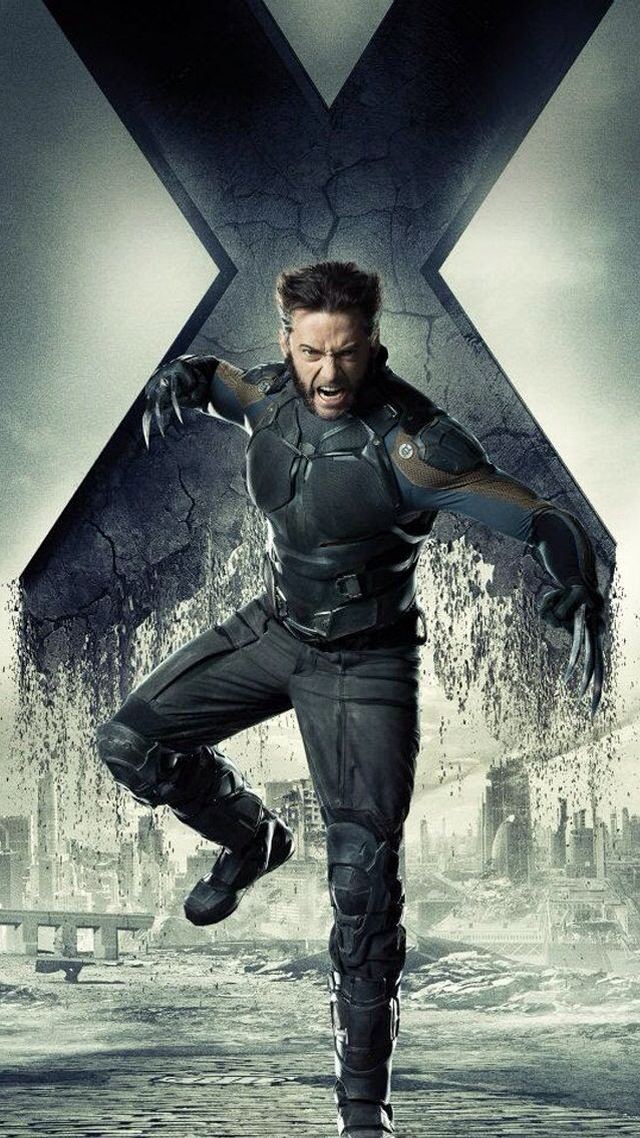
| Wolverine | Healing factor, adamantium skeleton, claws | The breakout. A one-note guest star in 1974 who became the most valuable character Marvel owns. |
| Beast | Superhuman agility plus a genius intellect | The scientist. Recent comics have taken him somewhere genuinely dark. |
| Rogue | Absorbs powers and memories by touch | The emotional cost of mutation made literal — she cannot touch anyone. |
| Nightcrawler | Teleportation | The team's conscience. A devout Catholic who looks like a demon, which is the entire point. |
| Emma Frost | Telepathy and a diamond form | Former villain, current pillar. The X-Men's sharpest political operator. |
Xavier and Magneto are the argument the franchise is built on, and any adaptation that reduces them to hero and villain has already missed. Wolverine is your entry point if you want one character to follow, though his backstory is famously a mess — we untangle it in our origin breakdown. Storm, Jean Grey and Cyclops form the emotional triangle most of the great runs orbit.
The Eras, In Order
You do not need to read chronologically, but you do need to know the eras exist, because fans use them as shorthand constantly.
- The Silver Age (1963–1970). Lee and Kirby's original five. Historically important, mostly skippable.
- The Claremont era (1975–1991). Chris Claremont writes the book for sixteen years and invents nearly everything you associate with the X-Men. This is the canon.
- The 1990s. Jim Lee's art, the animated series, the explosion in popularity, and a plotting knot nobody has fully untied since.
- Morrison and Whedon (2001–2008). New X-Men reinvents the franchise as a school story about culture; Astonishing X-Men gives it back its heart.
- Krakoa (2019–2024). Mutants found their own nation, resurrect their dead, and build a functioning society. Ambitious, enormous, and now concluded.
- From the Ashes (2024–present). The post-Krakoa relaunch, with the nation dissolved and the team scattered. A deliberately friendly jumping-on point.
Where To Start: Four Honest Options
- If you want television: X-Men '97 season two is airing now and season three is confirmed. It is a direct continuation of the 1992 cartoon, it assumes nothing, and at 99% on the aggregate it is the best-reviewed Marvel property in existence. Our take is in the season two review.
- If you want one comic: God Loves, Man Kills (1982). A self-contained graphic novel about a televangelist campaigning for mutant genocide. It still lands like a hammer.
- If you want a run: Astonishing X-Men by Joss Whedon and John Cassaday (2004–2008). Twenty-five issues, gorgeous, and structured for readers with no prior knowledge.
- If you want the deep end: The Dark Phoenix Saga, Uncanny X-Men #129–138. The franchise's defining tragedy and the reason Dark Phoenix is a household name.
The Film Situation, Honestly
The Fox X-Men films ran from 2000 to 2020 across a continuity that eventually collapsed under its own time travel. Days of Future Past and Logan are the two worth your evening; the rest range from decent to actively unpleasant. Deadpool & Wolverine served as the formal send-off for that era in 2024.
The MCU version arrives on 15 December 2028. Jake Schreier directs and Michael Lesslie writes — both confirmed. Casting is where you should be sceptical: nothing has been announced, Marvel's stated plan leans toward largely unknown young actors, and Schreier has publicly shot down several viral fan-castings. In the meantime, veterans of the Fox era including Patrick Stewart, Ian McKellen, James Marsden, Rebecca Romijn, Alan Cumming, Kelsey Grammer and Channing Tatum are all confirmed for Avengers: Doomsday this December. What they are doing there has not been announced.
The X-Men are not a superhero team that happens to be a metaphor. They are a metaphor that happens to punch things, and the books are best when they remember which order that goes in.
One Last Piece Of Advice
Do not try to be complete. Nobody is complete on the X-Men, including the people writing them. Pick a run, read it end to end, and let the references you do not understand wash past you — they were designed to be caught on a second pass. If you want a broader map of Marvel's greatest storylines, several X-Men arcs sit near the top of our essential reading list.
Frequently asked
Do I need to watch the Fox X-Men films before the MCU's The X-Men?
Is X-Men '97 a good place to start with no background at all?
Why is Magneto sometimes a hero?
What was Krakoa and do I need to know about it?
Characters in this story
Professor X
Charles Francis Xavier
Magneto
Max Eisenhardt
Wolverine
James Howlett
Storm
Ororo Munroe
Jean Grey
Jean Elaine Grey
Catching up on the MCU? See where this fits on our full timeline.
Read next
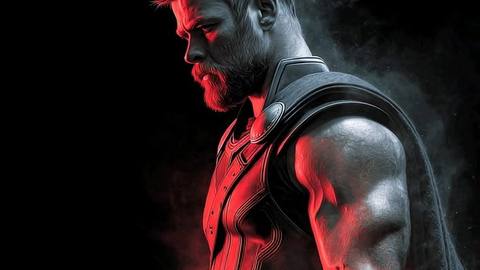
X-Men '97 Season 2 Review — Four Episodes In, Marvel's Best Show Is Getting Better
A mid-season verdict on the highest-rated Marvel property ever made. Season two escalates into Bastion and a…
Wolverine's Fractured Origin: Weapon X, Origin, And The Man In Between
For twenty-seven years nobody knew where Wolverine came from — including Wolverine. Here is how Marvel built, hid…
The Essential Marvel Storylines Every Fan Should Read At Least Once
Eighty-five years of publishing, narrowed to the arcs that actually matter. A ranked, honest reading list with…