The Essential Marvel Storylines Every Fan Should Read At Least Once
Eighty-five years of publishing, narrowed to the arcs that actually matter. A ranked, honest reading list with entry points, warnings and what each one is really about.
Marvel has published continuously since 1939. Nobody has read all of it, including the people who work there, and the standard advice to newcomers — start anywhere — is technically true and practically useless. What follows is a working list: the storylines that either changed the company, defined a character permanently, or are simply good enough that their reputation is deserved. Each entry includes what it is actually about and whether it needs prior reading, because that is the part most lists leave out. If you are starting from zero on one particular corner of the universe, our Spider-Verse guide and our Doom primer are gentler entry points than any single comic.
The Foundational Five
If you read nothing else, read these. Each is self-contained, each is under three hundred pages, and each is the reason a character you have heard of exists in the form you know.
- The Galactus Trilogy — Fantastic Four #48–50 (1966). Lee and Kirby. A world-eating entity arrives and the resolution is not a fight. Invented Marvel's cosmic register and introduced Galactus and the Silver Surfer in the same three issues. No prior reading required.
- The Dark Phoenix Saga — Uncanny X-Men #129–138 (1980). Claremont and Byrne. Jean Grey gains limitless power and the book has the nerve to follow that to its actual conclusion. The single most influential superhero story of its decade. Some prior X-Men context helps; not required.
- Daredevil: Born Again — Daredevil #227–233 (1986). Miller and Mazzucchelli. Wilson Fisk learns Matt Murdock's identity and destroys his life using nothing but paperwork and patience. The best crime story in superhero comics.
- The Infinity Gauntlet (1991). Starlin, Perez and Lim. Thanos acquires unlimited power and murders half the universe on page one. The direct source for the MCU's Infinity Saga, and considerably stranger than the films.
- Kraven's Last Hunt — Web of Spider-Man #31–32, Amazing #293–294, Spectacular #131–132 (1987). DeMatteis and Zeck. A hunter buries Spider-Man alive and takes his place. Six issues, no fat, and the tonal high point of the character's publishing history.
The Modern Canon
| Storyline | Year | What it is really about | Entry difficulty |
|---|---|---|---|
| Marvels | 1994 | The superhero age seen from street level by a photographer who cannot afford to be impressed. Busiek and Alex Ross. | None. Ideal first Marvel comic. |
| Astonishing X-Men | 2004–08 | Whedon and Cassaday's twenty-five issues about a school trying to be a school. The friendliest X-Men run. | Low. |
| Civil War | 2006–07 | Superhero registration splits the community. Politically muddled, historically enormous, and the source of the MCU's best film. | Medium. Sprawls across tie-ins. |
| Annihilation | 2006 | Marvel's cosmic corner rebuilt from scratch. The reason Guardians of the Galaxy became a franchise. | Low. Self-contained. |
| Old Man Logan | 2008 | A western in which the villains won fifty years ago and Logan will not pick up his claws. Grim, and the tonal source for the film Logan. | None. |
| Hawkeye | 2012–15 | Fraction and Aja. What a superhero does on his days off. The best-designed comic Marvel has published this century. | None. |
| Vision | 2015–16 | King and Walta. A synthetic being builds a family in suburbia and it goes exactly as badly as you fear. | None. A masterpiece. |
| House of X / Powers of X | 2019 | Hickman relaunches mutantkind as a nation with its own resurrection protocols. Ambitious to the point of arrogance. | High but rewarding. |
Character-Defining Runs, By Character
Sometimes what you want is not an event but a writer's complete take. These are the runs that became the character — and in Peter Parker's case, the runs that keep quietly rewriting the origin itself.
- Spider-Man — Lee and Ditko (1962–66) for the foundation, Ultimate Spider-Man by Bendis (2000–11) for the modern definition. Our origin breakdown covers how the two versions differ.
- Doctor Doom — Fantastic Four by John Byrne (1981–86) for the moral code, Books of Doom by Brubaker (2006) for the psychology. Doom is the rare villain with a genuinely coherent bibliography.
- Daredevil — Miller (1979–83), then Bendis and Maleev (2001–06), then Brubaker and Lark (2006–09). Three consecutive definitive runs, which almost no character gets.
- Thor — Walter Simonson (1983–87) is still the ceiling, and Jason Aaron's decade-long run (2012–19) is the only serious challenger.
- Black Panther — Christopher Priest (1998–2003) is the run that made T'Challa a political figure rather than a costume, and it is still the sharpest writing the character has had.
- Immortal Hulk — Al Ewing and Joe Bennett (2018–21). Horror rather than action, and the best thing published about the character in forty years.
The good news about Marvel's back catalogue is that the reputation system works. If a run is famous, it is almost always famous for a reason.
The Overrated And The Underrated
An honest list has to include the ones that do not survive their reputation.
| Commonly recommended | The problem | Read instead |
|---|---|---|
| Secret Wars (1984) | Historically important, structurally a toy commercial. The dialogue is punishing. | Secret Wars (2015) by Hickman — the same premise, executed properly. |
| The Clone Saga | Two years of Spider-Man comics that nobody involved appears to have been enjoying. | Spider-Man: Blue, for the same emotional territory in six issues. |
| Ultimatum (2008) | Gratuitous, and it damaged a line that was working. | Ultimate Spider-Man, which the same line did far better. |
| Avengers vs X-Men (2012) | A twelve-issue argument that resolves by fiat. | Avengers: The Korvac Saga (1978), for a cosmic Avengers story that lands. |
- Underrated: Nextwave (2006) by Warren Ellis. Twelve issues of pure aggression and jokes, and possibly the funniest comic Marvel has published.
- Underrated: Alias (2001) by Bendis and Gaydos. The source of Jessica Jones, and considerably harder-edged than the television version.
- Underrated: Moon Knight (2016) by Lemire and Smallwood. A comic about mental illness that never resolves whether any of it is real.
- Underrated: Silver Surfer (2014) by Slott and Allred. Doctor Who as a Marvel comic, and startlingly lovely.
- Underrated: Squirrel Girl (2015) by North and Henderson. The best all-ages Marvel book in decades and much smarter than its premise suggests.
What To Read Right Now
If you are reading current material rather than back catalogue, the two things worth your attention are One World Under Doom (2025), in which Doom rules Earth and which feeds directly into the marketing for Avengers: Doomsday — we break it down in our full explainer — and the From the Ashes X-Men relaunch, which followed the conclusion of the Krakoa era and is designed as a clean jumping-on point. Our X-Men newcomer's guide explains the eras well enough to make either legible.
The Honest Summary
Five books will give you eighty per cent of the value: Marvels, The Dark Phoenix Saga, Daredevil: Born Again, Hawkeye and Vision. Two of those are entirely self-contained, one needs a paragraph of context, and none require you to know what a retcon is. Start there. Everything on this list will still be waiting.
Frequently asked
What is the single best Marvel comic for a complete beginner?
Do I need to read comics in chronological order?
Where can I read these legally?
Which comic should I read before Avengers: Doomsday?
Characters in this story
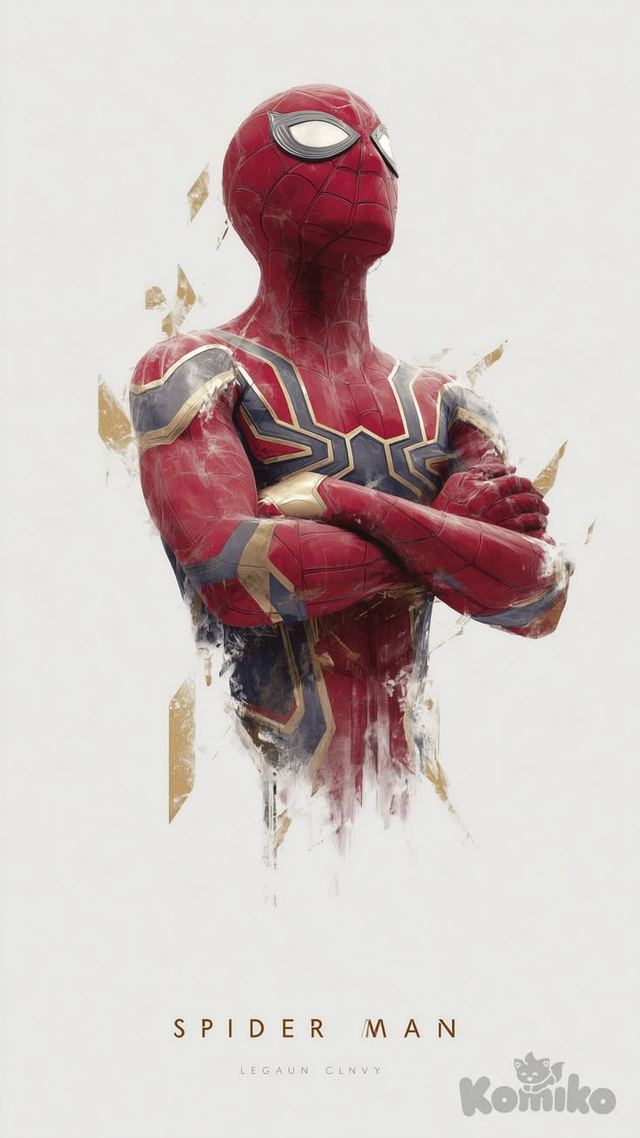
Spider-Man
Peter Benjamin Parker
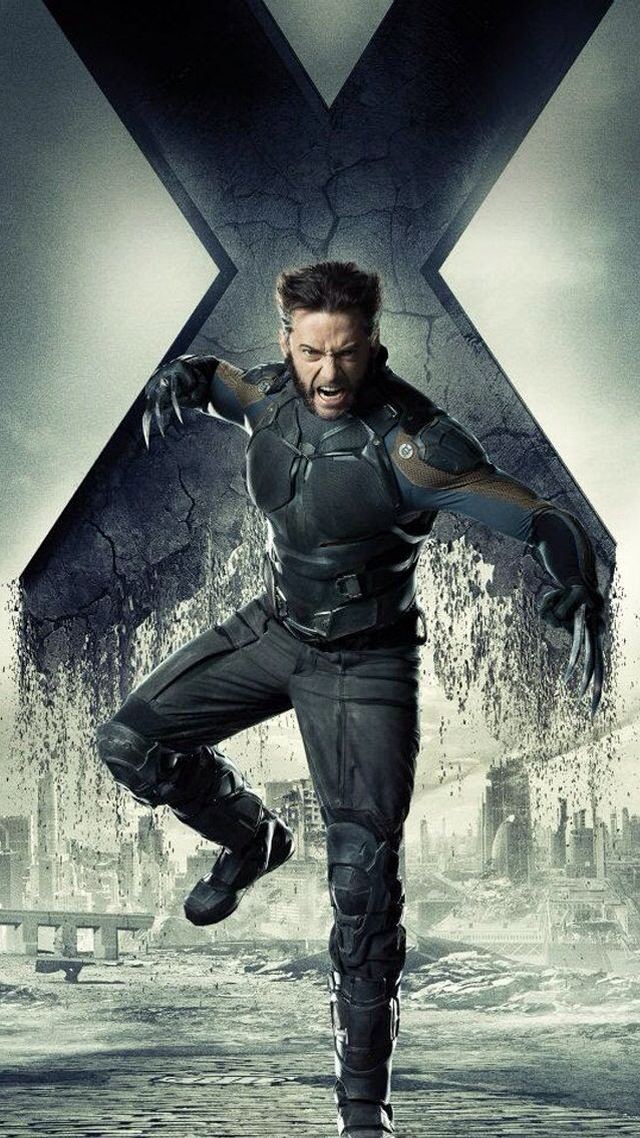
Wolverine
James Howlett
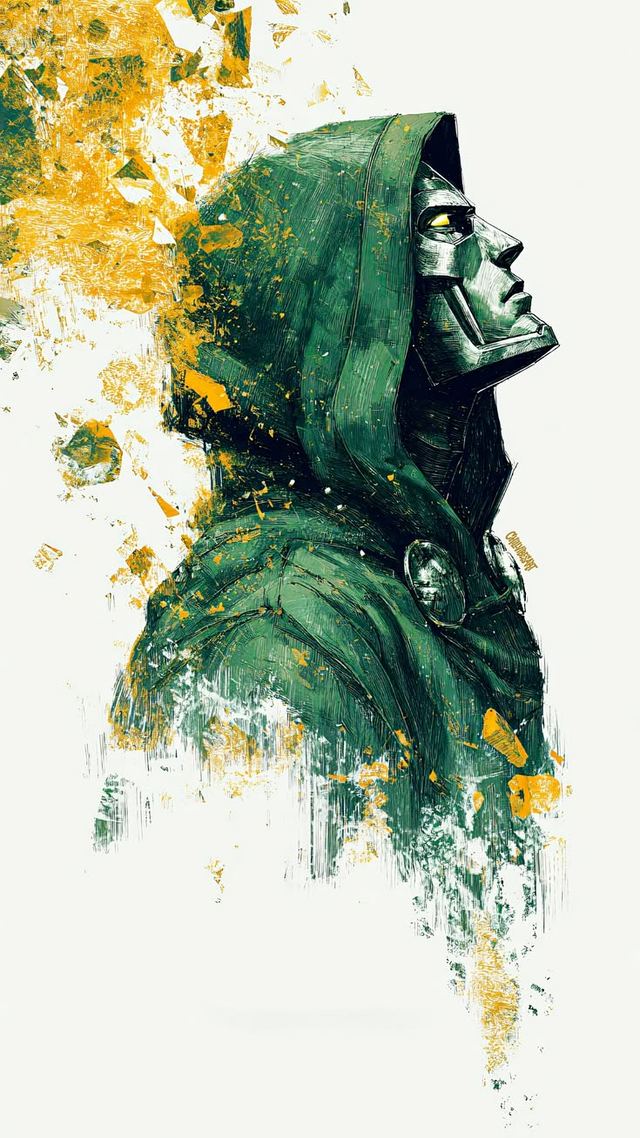
Doctor Doom
Victor von Doom
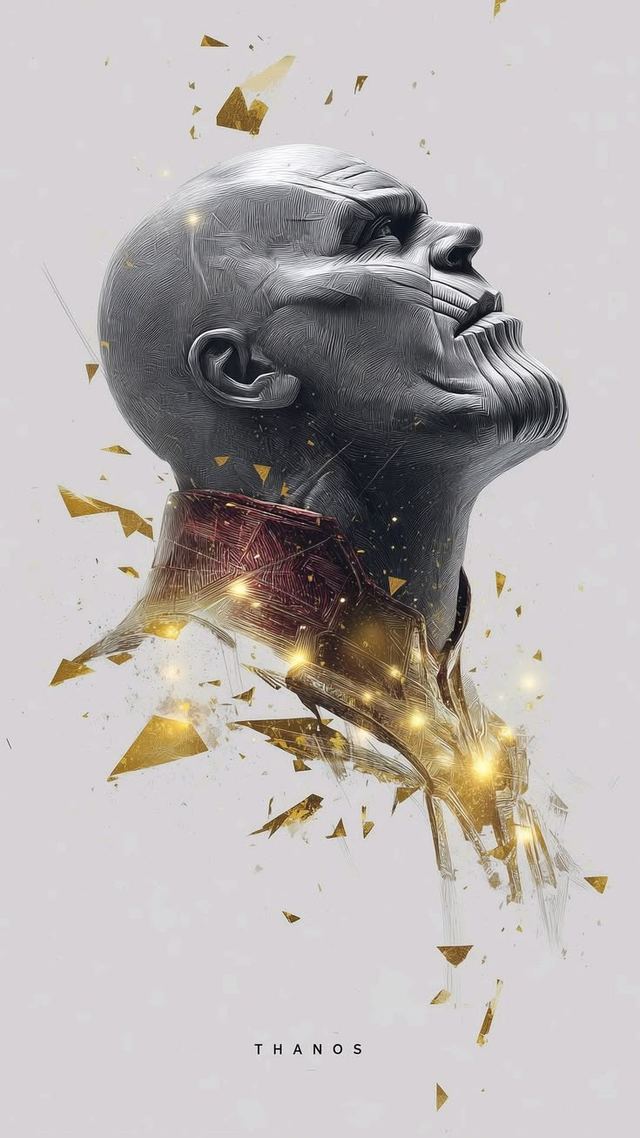
Thanos
Thanos
Jean Grey
Jean Elaine Grey
Catching up on the MCU? See where this fits on our full timeline.
Read next
A Newcomer's Guide To The X-Men: Everything You Actually Need To Know
Sixty years, four hundred characters, three timelines and one very long argument about civil rights. Here is the…
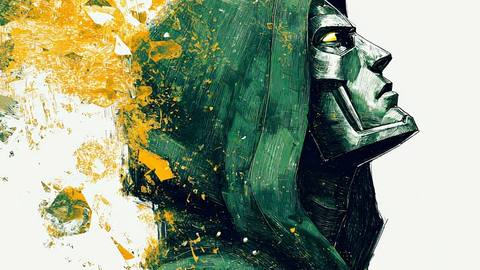
One World Under Doom Explained: What Happens When Doctor Doom Actually Wins
In 2025 Marvel let Doctor Doom conquer Earth — and most of the planet said yes. A full breakdown of the event…
The Real Origin Of Spider-Man — And Every Way Marvel Has Retold It
Eleven pages in 1962 created the most retold origin in fiction. Here is what actually happened in Amazing Fantasy…