Wolverine's Fractured Origin: Weapon X, Origin, And The Man In Between
For twenty-seven years nobody knew where Wolverine came from — including Wolverine. Here is how Marvel built, hid, and then finally filled in the most guarded backstory in comics.
Wolverine debuted in The Incredible Hulk #180 in 1974 as a Canadian government agent with claws and a bad attitude. He was not designed to matter. He had no name, no past, and no plan attached to him. What happened next is the most successful accident in Marvel's history: writers discovered that a character whose backstory is unknown to the character himself generates infinite story, and they protected that gap for twenty-seven years. Then they filled it in — twice — and the results are wildly uneven.
The Rule That Made Him Work
Logan does not remember his life. His healing factor, which repairs any injury including brain trauma, has repeatedly wiped and rewritten his memory. He has false memories implanted by other people. He has real memories he cannot distinguish from the implants. Every time he learns something about himself, he has to decide whether to believe it.
This is a genuinely radical premise for a superhero, and Chris Claremont ran it for a decade and a half without ever answering it. The reader knew as much as Logan did, which meant every revelation carried the weight of a discovery rather than an explanation. The mystery was the character.
The best Wolverine stories are not about what happened to him. They are about a man deciding, without evidence, what kind of person he is going to be anyway.
Weapon X (1991): The Half That Works
Barry Windsor-Smith's Weapon X, serialised in Marvel Comics Presents across thirteen chapters, is the closest thing to a masterpiece the character has. It answers exactly one question — where the adamantium came from — and refuses every other.
- A clandestine programme abducts Logan and submerges him in a tank.
- Molten adamantium, an indestructible fictional metal, is bonded to his entire skeleton. It should kill him. His healing factor means it does not, which is precisely why he was chosen.
- He is conditioned, monitored, and referred to throughout by a serial designation rather than a name. The scientists discuss him as equipment.
- He escapes by becoming an animal, killing everyone in the facility, and walking into the snow.
- The comic never tells you who he was before the tank. That is the point.
Windsor-Smith wrote and drew the whole thing himself, and the storytelling is claustrophobic in a way superhero comics rarely attempt — long silent sequences, clinical narration, and a protagonist who spends most of the story unconscious. It is the definitive Wolverine text and it is under two hundred pages.
Origin (2001): The Half That Divides
In 2001, under editorial pressure created by the success of the first X-Men film, Marvel published Origin — a six-issue miniseries by Paul Jenkins, Bill Jemas and Andy Kubert that finally answered the question everyone had agreed not to ask.
The answer: he was James Howlett, born in the late 1880s to a wealthy family in Alberta, a sickly boy whose powers manifested in a moment of violence and grief. Rose, a girl who cared for him, dies at the end by his hand. He flees into the wilderness and lives among wolves, which is where the name comes from.
It is beautifully drawn and thoughtfully written. It is also the single most contested decision in the character's history, and the objection is structural rather than aesthetic: a mystery you solve stops being a mystery. The genius of the pre-2001 Wolverine was that he could be anything. Post-Origin, he is a specific Victorian orphan, and every writer must now work around that.
The Timeline, As It Currently Stands
| Period | What happened | Source |
|---|---|---|
| Late 1880s | Born James Howlett in Alberta. Powers manifest violently. | Origin (2001) |
| 1900s–1910s | Lives rough, works as a miner, takes the name Logan. Meets Victor Creed. | Origin and Wolverine: The Origin follow-ups |
| 1914–1945 | Fights in both World Wars. Extensively depicted across dozens of stories. | Various, including Origins & Endings |
| 1940s–1960s | Lives in Japan. Falls in love with Itsu. This period defines his code and his losses. | Wolverine (1982) by Claremont and Miller |
| 1960s–1970s | Recruited by Canadian intelligence. Abducted by the Weapon X programme. | Weapon X (1991) |
| 1974 | First appearance, as a government asset sent after the Hulk. | The Incredible Hulk #180–181 |
| 1975 | Joins the X-Men and becomes the most valuable character Marvel owns. | Giant-Size X-Men #1 |
What The Films Did With It
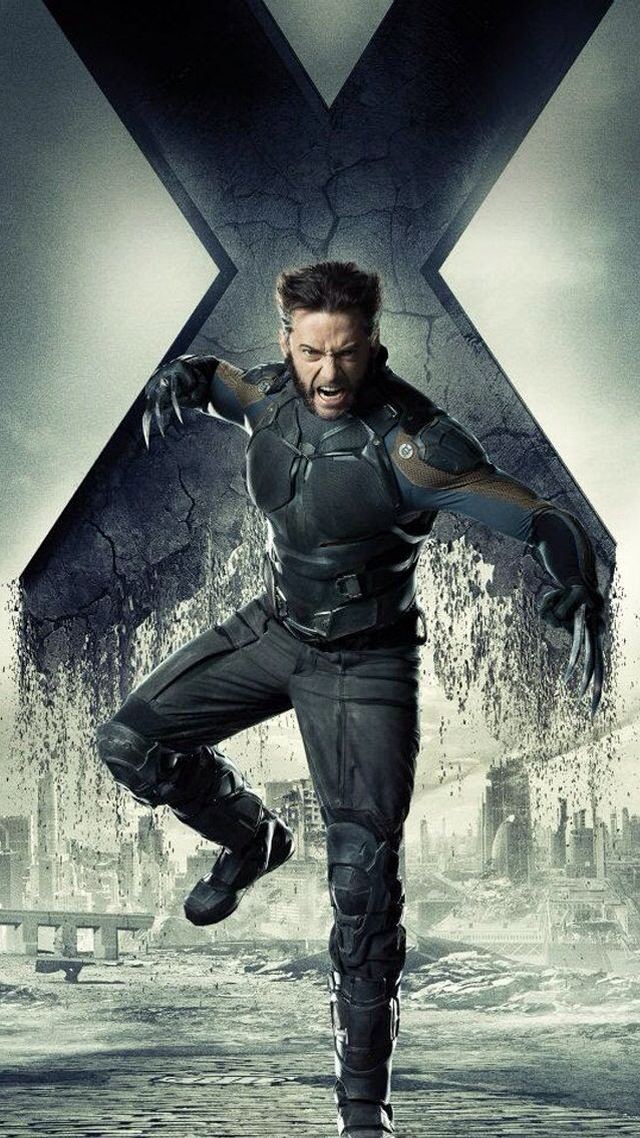
X-Men Origins: Wolverine (2009) attempted to film Origin and Weapon X simultaneously and produced a compressed, weightless version of both. Days of Future Past used his healing factor as a time-travel mechanism, which was clever. Logan (2017) did the smartest thing anyone has done with the material — it ignored the origin entirely and asked what a two-hundred-year-old man's ending looks like when the healing finally stops working. It remains the best film any of these characters have had.
Deadpool & Wolverine (2024) then brought Hugh Jackman back as a variant Logan carrying a different failure entirely, which was a neat way of honouring Logan's finality while still using the actor. We assess how well that landed in our review.
Where To Read It, In Order
- Weapon X (1991) by Barry Windsor-Smith. Read this first regardless of what else you do.
- Wolverine (1982) by Chris Claremont and Frank Miller. Four issues in Japan. The story that established his code and made him more than a berserker.
- Origin (2001) by Jenkins, Jemas and Kubert. Read it knowing what it costs, and judge for yourself.
- Old Man Logan (2008) by Mark Millar and Steve McNiven. A possible future, and the tonal source for the film Logan.
- Enemy of the State (2004) by Mark Millar and John Romita Jr. The best modern demonstration of why an unstoppable Wolverine is terrifying rather than cool.
If you are approaching the mutants from scratch, our X-Men newcomer's guide maps the wider team and its eras. Wolverine's daughter-by-cloning Laura Kinney carries the same trauma into a different generation and is well worth following after.
Frequently asked
How old is Wolverine?
Was Wolverine born with metal claws?
Is Sabretooth Wolverine's father?
Should I read Origin or is Weapon X enough?
Characters in this story

Catching up on the MCU? See where this fits on our full timeline.
Read next
A Newcomer's Guide To The X-Men: Everything You Actually Need To Know
Sixty years, four hundred characters, three timelines and one very long argument about civil rights. Here is the…
Deadpool & Wolverine Review — A Billion-Dollar Eulogy For A Studio That No Longer Exists
Very funny, genuinely moving, and built almost entirely from corporate history. A reassessment of the film that…
The Essential Marvel Storylines Every Fan Should Read At Least Once
Eighty-five years of publishing, narrowed to the arcs that actually matter. A ranked, honest reading list with…