Brand New Day Isn't the Best Marvel Movie Ever. TIME Says It's the One That Actually Tried.
TIME's Stephanie Zacharek says Brand New Day is proof you can at least try to build a better Marvel movie — real praise for its actors and adult emotions, real criticism of its pacing, CGI and overstuffed plot.

Spider-Man: Brand New Day has spent its opening week putting up numbers Marvel hasn't seen in years — a Rotten Tomatoes score sitting at 90-91% across dozens of reviews, critics reaching for comparisons to Sam Raimi's Spider-Man 2. But the review doing the most interesting work on the film isn't chasing any of those numbers. It's TIME's, written by film critic Stephanie Zacharek, and it doesn't carry a star rating at all — TIME's movie reviews run prose-only, argument instead of arithmetic.
TIME headlined the piece "Spider-Man: Brand New Day Proves That You Can at Least Try to Build a Better Marvel Movie." Read that twice and the catch announces itself. Trying and succeeding aren't, in Zacharek's own review, the same accomplishment — and the gap between them is the actual story here, not a footnote to it.
This isn't a hype piece. It's a look at what Zacharek's TIME review actually argues — where the praise is real, where the criticism is real, and what her qualifier means for the question everyone actually wants answered: is Brand New Day a better Marvel movie, or does it just try harder than most?
What TIME's Review Actually Argues
Zacharek's central claim isn't about a single scene or performance — it's about the whole approach. In her assessment, Brand New Day "shows some awareness that actors, and not excessive, soul-killing special effects, are what will keep drawing us to the movies." That's a Marvel movie betting on faces over pixels, in a genre that has spent the better part of a decade doing the opposite.
The follow-through, per her review, is that the film treats adult emotions — loss, mourning, yearning, rage — as the real subject, rather than dressing them up as teenage angst the way blockbusters aimed at a franchise's youngest core viewers usually do. Four years after Doctor Strange's spell erased Peter Parker from the world's memory, that's the emotional terrain the film is working in. Zacharek's read is that it works that terrain like it means it.
Actors, and not excessive, soul-killing special effects, are what will keep drawing us to the movies.
The Performances TIME's Review Actually Praises
Two actors get singled out by name. Holland, Zacharek writes, is "a smart, sensitive actor" — not a backhanded compliment, but a description of someone she thinks is playing Peter's interior life honestly rather than coasting on charm alone.
Zendaya gets the more specific praise. Instead of playing MJ as a showcase for Big Emotion, Zacharek credits her with "beats of uncertainty" — small, unresolved moments rather than demanding grandeur. On TIME's page, that reads as a more controlled, more interesting performance than some of Zendaya's recent, showier roles.
None of this is TIME working in isolation. The wider batch of reviews keeps landing on the same two actors, for close to the same reasons:
- Uproxx's Mike Ryan: "Tom Holland's best performance as Peter Parker and the best Spider-Man movie since Raimi's SPIDER-MAN 2"
- GVN's Brandon Lewis: "easily Tom Holland's most varied, confident MCU work", with emotional beats "among the MCU's best"
- Brian Davids: the "most emotional, most mature and most atmospheric installment in the franchise"
Ryan's line is the one doing the rounds this week, and it's worth noticing what it claims that Zacharek's review doesn't: a direct ranking against decades of Spider-Man movies. TIME's review never makes that comparison. It makes a narrower one, and narrower turns out to matter later in this piece.
Where Zacharek's TIME Review Pumps the Brakes
The same review that praises the film's ambition spends real space on where that ambition doesn't land. Three specific complaints, and none of them read like throwaway notes.
Pacing that won't sit still
"The film's pace never gives us time to let any single emotion or event settle," Zacharek writes — her word for it is that feelings get "cycled through" rather than explored. For a review whose entire opening argument is that the film takes emotion seriously, that's not a small complaint. It cuts directly against the film's own stated strength.
Effects that look like effects
Zacharek doesn't spare the technical work either, calling out "elaborately fake-looking special effects" and CGI battles that "feel perfunctory and underwhelming." That's pointed language from a critic who opened her review by praising the film for valuing actors over spectacle. When the spectacle does show up, by her account, it doesn't hold its end of the bargain.
A plot doing too much
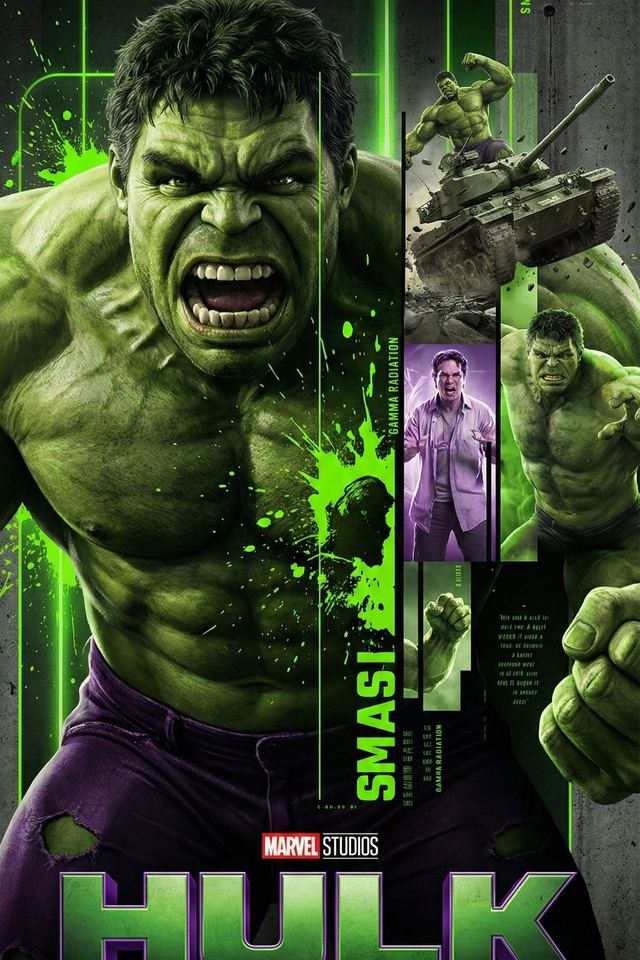
Her sharpest structural note: the film is "so filled with truisms, plot machinations, and ricocheting feelings that it's sometimes hard to focus on the core story." That's not a complaint about any one subplot — Bernthal's Punisher, Ruffalo's Hulk, the still-unconfirmed Sadie Sink role, the whole street-level ensemble Kevin Feige has talked up in interviews. It's a complaint about all of it arriving inside the same two-plus hours.
| What Zacharek Praises | What Zacharek Flags |
|---|---|
| Values actors over "soul-killing special effects" | CGI battles that "feel perfunctory and underwhelming" |
| Treats loss, mourning, yearning and rage as real | Pacing that "never gives us time to let any single emotion or event settle" |
| Holland: "a smart, sensitive actor" | Plot "filled with truisms, plot machinations, and ricocheting feelings" |
| Zendaya plays "beats of uncertainty", not demanding grandeur | Feelings "cycled through" rather than explored |
Put those four rows side by side and Zacharek's actual position gets easier to see. This isn't a complaint about one bad scene. It's an argument that the film's strengths and its weaknesses come from the same source — a Marvel movie that took on more than a two-hour runtime can comfortably hold, and occasionally buckles under the weight of its own ambition.
Zacharek's Criticisms Aren't Outliers
None of Zacharek's specific complaints are unique to TIME. The wider review batch keeps landing on the same two problems, even while staying more enthusiastic overall about the film as a whole.
- AwardsWatch's Erik Anderson: "super dodgy CGI and really uninspired fight sequences" — the same target as Zacharek's "perfunctory and underwhelming" verdict on the effects.
- Discussing Film's James Preston Poole: an "overstuffed script that puts MCU interconnectivity and cameos over its title character" — the plot-density complaint again, independently.
- Next Best Picture's Matt Neglia: the film "doesn't fully pick up until Sadie Sink's character announces herself" — a pacing complaint that lines up with Zacharek's own.
What separates TIME from the negative pile isn't the diagnosis — it's the prognosis. Where Anderson and Poole treat these flaws as reasons to file the review negative, Zacharek treats them as the cost of a film that at least aimed somewhere worth aiming. That's a genuinely different argument, not a softer version of the same one.
How TIME's Review Stacks Up Against the Score
On Rotten Tomatoes, Brand New Day opened at 93% from 43 counted reviews before sliding toward 90-91% as the sample nearly doubled — we tracked that slide in full here. That number puts it fractionally below all three of Tom Holland's previous Spider-Man films, not above them, despite this week's chatter comparing it to a Spider-Man movie two decades old. Metacritic, which weights each review rather than simply counting positive against negative, landed at a noticeably cooler 71, having opened around 70.
Zacharek's review doesn't produce a number, so it can't be plotted on either scale directly. But read as an argument, it sits closer to Metacritic's cautious, generally-favorable register than to the loudest praise in the opening-night reactions. TIME never claims this is the best Spider-Man movie in decades. It makes a smaller, more defensible claim: superior to most Marvel movies, not the best the character has ever had.
Set the more skeptical notices next to it, too. The Guardian's review lands considerably harder on the film's familiarity than Zacharek does. TIME's take sits in the middle of the published range — tougher than the raves, more forgiving than the harshest notice, and more specific than either end about exactly why it lands where it does.
So, Is Brand New Day Actually a Better Marvel Movie?
Here's the honest answer, built entirely out of what Zacharek actually wrote rather than what a headline implies: not unconditionally, and not without reservations that show up in the runtime itself. What the film earns, on her reading, is credit for trying somewhere the genre mostly doesn't — for betting on Holland and Zendaya's faces over a set piece, for letting Peter's grief play as adult grief instead of teenage angst, for building toward something instead of just setting up the next thing.
What it doesn't earn, on her own terms, is a clean bill of health. The pacing problem, the effects problem and the plot-density problem aren't small notes tacked onto an otherwise glowing write-up — there's no star rating here to round up in the first place. They're structural complaints about a film that, by her own account, sometimes gets in its own way.
You can at least try to build a better Marvel movie.
That's the line TIME put in its own headline, and Zacharek's review earns every word of it, including the qualifier. It isn't a hedge tacked onto a rave. It's the entire verdict.
That distinction matters more than usual right now. Marvel's 2025 was rough by its own recent standards — Thunderbolts* was the best-reviewed film of Phase 5 at 88% on Rotten Tomatoes and still lost money, proof on its own that a good review and a healthy opening weekend aren't automatically the same win. Brand New Day arrives with a stronger spread on both counts, according to early numbers, but Zacharek's review is a reminder that neither one settles whether the film is actually good. Only the argument does that, and hers is a careful one.
Tom Holland has spent the press tour describing this run as a victory lap, and on the specific question of whether the film tries harder than a typical Marvel sequel, TIME agrees with him. On whether trying harder is the same as succeeding completely, TIME's answer is careful and specific: not quite. Believing both of those things at once isn't a contradiction. It's the most honest way to read the review Brand New Day actually earned.
Frequently asked
Does TIME give Spider-Man: Brand New Day a star rating?
What does TIME's review say about Spider-Man: Brand New Day?
Is Spider-Man: Brand New Day actually a better Marvel movie, according to critics?
What does TIME criticize about Brand New Day?
How does TIME's review compare to Brand New Day's Rotten Tomatoes score?
Characters in this story

Spider-Man
Peter Benjamin Parker
Hulk
Robert Bruce Banner
Catching up on the MCU? See where this fits on our full timeline.
Read next
RogerEbert.com Says Brand New Day Is “Scared of Its Best Ideas” — And Gives It the Lowest Score On Our Tracker
Brian Tallerico's RogerEbert.com review gives Spider-Man: Brand New Day 2.5 out of 4 — the lowest score on our…

Den of Geek Gives Brand New Day Four Stars. Its Real Verdict Is About Tom Holland.
Den of Geek's David Crow gives Spider-Man: Brand New Day four stars and calls it the best Tom Holland has ever…
Is Spider-Man: Brand New Day Worth Your Money? What 77 Critics Actually Said
Best-reviewed Marvel film since 2021 — and the lowest-scoring Tom Holland Spider-Man. Both are true at once. Here…