The Steve Rogers "Baby" Shot Everyone's Debating: What It Actually Shows, and What It Doesn't
Official footage really does show Chris Evans holding a baby in a quiet, sunlit scene. What that means — retirement idyll, alternate timeline, or something else entirely — is where the confirmed footage stops and the theorizing takes over.
This is one of the rare pieces of Avengers: Doomsday discourse that starts from confirmed footage rather than a leak. Marvel's own official material shows Chris Evans' Steve Rogers, hair noticeably longer than fans have ever seen it, cradling a baby in a quiet, domestic moment. That image alone — no dialogue, no context — was enough to detonate a genuinely massive round of theorizing about which version of Steve Rogers is actually walking back into this franchise.
What Actually Happens in the Footage
Strip away the speculation and the confirmed content is genuinely small: a domestic, unhurried moment, visually coded as retirement rather than combat — soft lighting, no supersuit, longer hair reading as years having passed. That's a deliberate choice by the filmmakers, and it's doing real narrative work regardless of which theory ends up correct: it's telling the audience, wordlessly, that whatever Steve they're about to meet has been living a life, not waiting in stasis for a cue to return.
Theory One: This Is Simply Post-Endgame Steve, Living His Dance
The simplest read requires nothing exotic: Endgame ended with an old man on a bench, having lived a full life with Peggy Carter. A baby in this footage could just be a grandchild, or a great-grandchild, glimpsed in a flash-sideways or memory before the plot pulls him back into action. This version doesn't need multiversal mechanics at all — just an old man's quiet life, briefly interrupted.
Theory Two: This Is a Genuinely Different Branch
This site has already argued that Endgame's bench-scene Steve and a version fit enough to fight in Doomsday can't easily be the same continuous person — which opens the door to this footage belonging to an entirely different branch of Steve Rogers, one where his life post-1940s went somewhere else, with a much younger child than a great-grandchild would suggest. That reading treats the baby not as a symbol of a life completed, but as evidence of a life still being lived, in a timeline the MCU hasn't shown before.
The Theory the Footage Alone Doesn't Support
It's worth being direct about one thing: nothing in the baby footage itself points toward the darker Hydra-branch reading this site has separately covered. A tender, domestic scene is about as far tonally from that theory's frozen-soldier-under-the-ice framing as this film's marketing has shown. That doesn't rule the Hydra theory out elsewhere in the film — it just means this specific piece of footage isn't the evidence for it, however tempting it is to connect every Steve Rogers image to every Steve Rogers theory currently circulating.
| Read | What it requires | Support from the footage itself |
|---|---|---|
| Post-Endgame Steve, grandchild in a flash-sideways | No multiversal mechanics | Consistent — footage alone doesn't rule this out |
| A genuine timeline variant living a different life | A branch point diverging from Endgame's ending | Consistent — longer hair and unfamiliar domestic setting support a life MCU hasn't shown |
| Hydra-branch Steve | A frozen, HYDRA-recovered variant | Not supported by this specific footage's tone or imagery |
The one thing every theory agrees on is the thing Marvel actually confirmed: whoever this Steve Rogers is, the film is introducing him mid-life, not mid-fight, and it wants the audience asking questions before it answers a single one. That's a marketing choice as much as a plot clue — and it's working, going by how much argument one wordless shot has generated.
Frequently asked
Is the Chris Evans "baby" scene real footage or a leak?
Does the baby scene confirm Steve Rogers is a timeline variant?
Does this footage support the Hydra Cap theory?
Why does Steve Rogers have longer hair in this footage?
Has Marvel explained the context of the baby scene?
Characters in this story
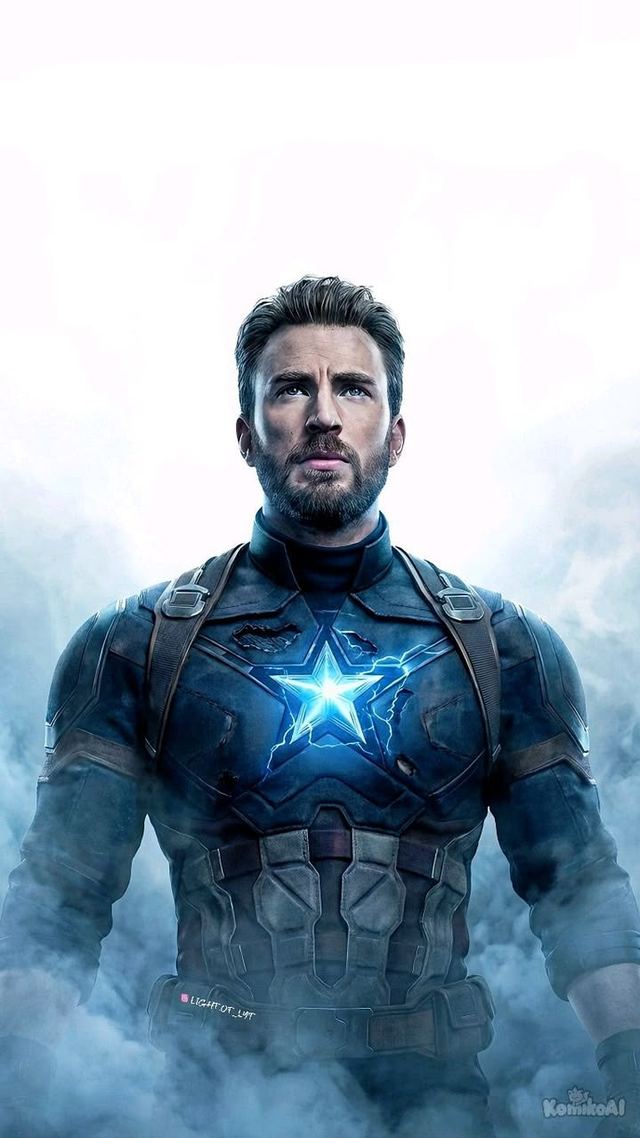
Captain America
Steven Grant Rogers
Catching up on the MCU? See where this fits on our full timeline.
Read next
The Chris Evans Question: Steve Rogers, Johnny Storm, Or Neither? A Rumour Audit
Credibility read: GENUINELY OPEN. Evans is confirmed cast in Avengers: Doomsday. His character is not. Both leading…
Avengers: Doomsday's Steve Rogers Might Not Be the Man Who Sat on That Bench
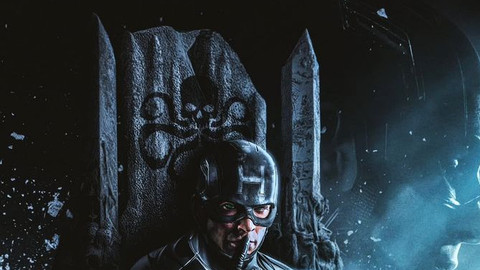
Endgame ended with Steve Rogers as an old man on a bench. Doomsday needs him back in fighting shape. One theory…
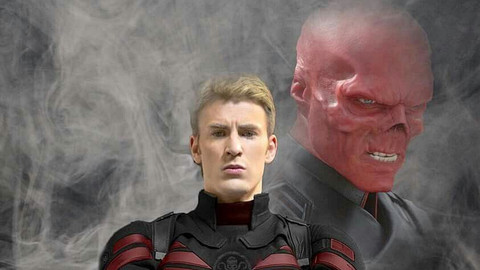
The Cruellest Reading of Endgame: Steve Rogers Got His Dance — and Left Another Version of Himself in the Ice for HYDRA
Steve stayed for the dance. But in the branch he left behind, a frozen soldier still waits under the ice — and in…