The Cruellest Reading of Endgame: Steve Rogers Got His Dance — and Left Another Version of Himself in the Ice for HYDRA
Steve stayed for the dance. But in the branch he left behind, a frozen soldier still waits under the ice — and in that timeline, HYDRA finds him first.
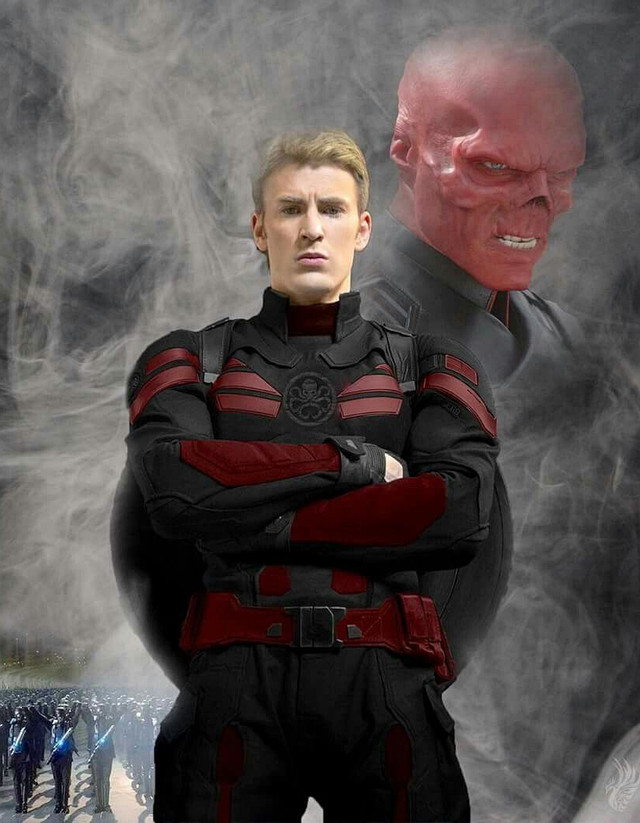
The last shot of Avengers: Endgame is a man who finally got to be happy. Steve Rogers returns the Infinity Stones, does not come back, and reappears on a bench as a ninety-year-old who spent a lifetime with Peggy. It is the warmest ending the MCU has ever given anyone. It is also, if you follow the film's own rules honestly, the most quietly horrifying.
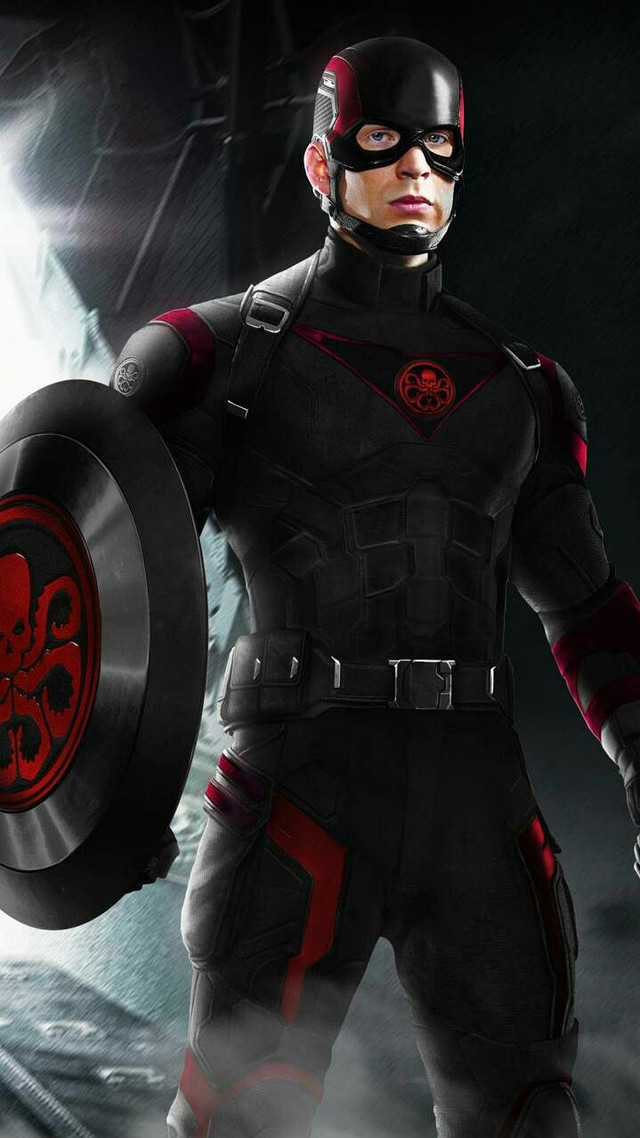
Because somewhere in the arithmetic of that choice sits a second Steve Rogers. Still twenty-six. Still frozen. Still under the Arctic ice, waiting for someone to dig him out — and in at least one branch of the multiverse, the people holding the shovel are not S.H.I.E.L.D. That is the theory doing the rounds again this week, and it is the rare piece of fan speculation that is built out of the films' own dialogue rather than in spite of it.
Marvel cannot agree with itself about what Steve did
Start with the genuinely strange bit. The people who made Endgame have publicly contradicted each other about its final scene, and they have never resolved it. The screenwriters have argued Steve was always secretly in the main timeline — that he lived those decades quietly alongside everyone, the husband Peggy mentioned but never named. The directors have argued the opposite: that Steve stepped into a branched reality, lived a full life there, and travelled back at the end to hand over the shield.
Those are not two flavours of the same answer. They are different physics. And the theory only works under the directors' version — the one where Steve going back created, or moved into, a timeline running parallel to ours. Under the writers' version there is no second Steve and no theory. Under the directors' version there are suddenly two of him, and only one gets the dance.
The paradox in plain terms
Endgame's rules, as Banner explains them, are blunt: changing the past does not fix the present, it creates a branch. Steve does not overwrite 1945. He arrives in a 1945 that then diverges. In that new branch, everything that happened still happened — the plane still went into the water, the body still froze — but now there is an extra variable walking around: a Steve who already knows everything.
| The two Steves | What happens to him |
|---|---|
| Steve A — the traveller | Arrives with 70 years of foreknowledge, marries Peggy, lives quietly, returns the stones, comes home old |
| Steve B — the frozen soldier | Still in the Valkyrie under the ice, exactly as before, waiting to be found |
| Who finds Steve B in our timeline | S.H.I.E.L.D., in 2011 — and he becomes Captain America |
| Who finds Steve B in a branch where S.H.I.E.L.D. never forms | Open question. This is where the theory lives |
| What Marvel has confirmed about any of this | Nothing |
The fourth row is the interesting one, and it is not a stretch. The Winter Soldier established that HYDRA did not die in 1945 — it was rebuilt inside S.H.I.E.L.D. from the beginning, by Arnim Zola, with Operation Paperclip carrying it in through the front door. HYDRA and S.H.I.E.L.D. grew from the same root. Tilt that root a few degrees in a branch timeline and the organisation that thaws a frozen supersoldier in 2011 is wearing a different badge.
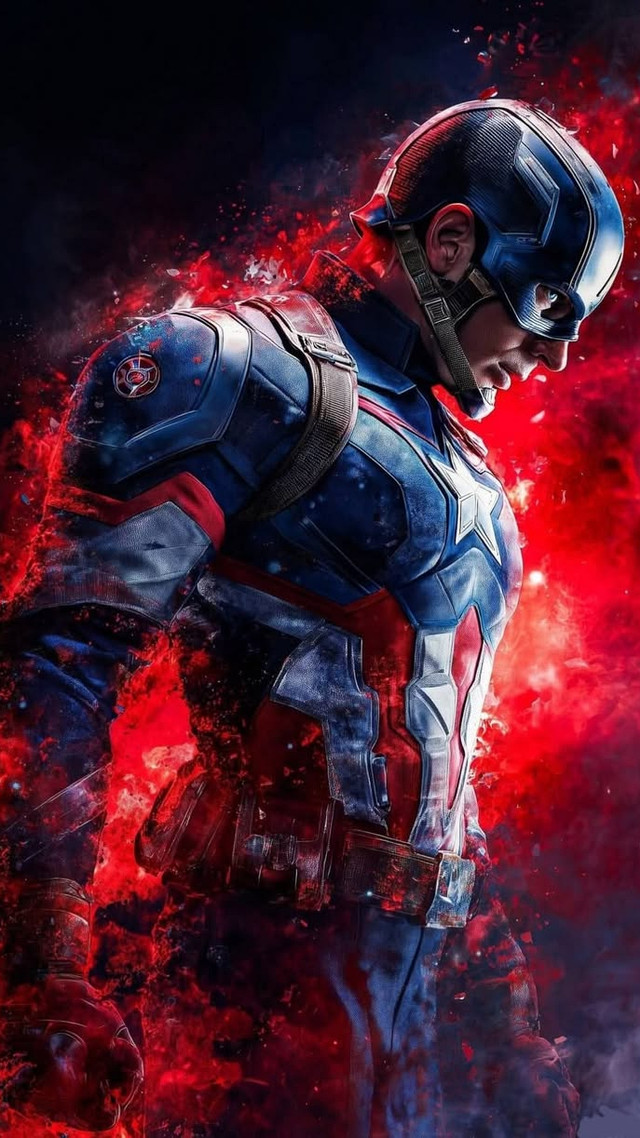
Why the MCU has already done the hard part
The objection people reach for first is that Marvel would never do this. Marvel has already done a version of it three times. What If…? opened with Peggy taking the serum and Steve piloting the HYDRA Stomper armour — a Steve defined by the absence of the shield. It gave us Captain Carter, a variant good enough that she has recurred across projects. And Multiverse of Madness killed a whole Illuminati of familiar faces to prove the point that variants are expendable.
More to the point, the Multiverse Saga has spent six years building the exact machinery a story like this needs: branch timelines, variants, the TVA pruning realities it dislikes, and now Incursions grinding universes into each other. If you want the mechanics, our Incursions explainer covers how the collapse actually works. The point is that Marvel does not need to invent anything to tell this story. It only needs to point the camera at a branch it has already established exists.
The MCU spent six years building a machine for producing evil variants. It would be very strange to switch it off before the most obvious one.
The tragedy is the whole point
Set the plot mechanics aside for a second, because they are not why this theory has legs. It has legs because it is thematically vicious in a way the MCU rarely allows itself to be.
Steve Rogers' defining trait is that he does not want power. He is the man who says he does not like bullies, who throws himself on a grenade before he is strong enough to survive it, who tells a room full of people wearing his face that compliance is not the same as peace. The single most efficient way to break an audience's heart is to take that man, remove the choice from him, and hand him to the ideology he spent his life fighting. Not corrupted. Not tempted. Overwritten.
- It costs Steve nothing he chose — which is what makes it a tragedy rather than a fall
- It weaponises the one thing every hero in the MCU still trusts: his face
- It gives the shield, a symbol of protection, back to the people it was made to stop
- It reframes Endgame's happiest scene as a trade rather than a reward
- And it forces the surviving heroes to fight someone they are constitutionally unable to hit
Where the theory falls apart
Now the honest column, because a theory this satisfying deserves to be stress-tested rather than cheered. Three real problems.
First, the writers' version of the ending — the one where Steve was always in our timeline — has just as much authority as the directors', and it kills the premise outright. Second, Chris Evans is confirmed for Avengers: Doomsday but his role has never been announced, and the leading alternative reading is not a dark Steve at all but Johnny Storm, a possibility we keep open in our standing file. Third, and most practically: Marvel has watched this exact story detonate before, and it did not enjoy the experience.
So why does this keep coming back?
Because Hall H handed it fresh oxygen. Hayley Atwell stood on the Doomsday stage last weekend despite never appearing on Marvel's published cast list — and Peggy Carter is not a neutral name in a story about the timeline Steve stepped into. Add an unannounced Evans role, add a villain whose whole plan involves people from other universes living lives they were not supposed to have — the reading behind the three-universes logline, and the speculation writes itself. We broke down everything the panel actually showed in our Hall H reconstruction.
None of that is evidence. It is atmosphere. But atmosphere is what fan theories run on, and this one has more of it than most.
Here is the thought that will not leave. In the version of events the Russos describe, Steve Rogers looked at a life of service and chose, finally, himself — and the film asked us to be glad. If the branch he left behind ever opens its mouth, the first thing out of it will be the argument that he abandoned a world to save an evening. He would have no answer. That is the terrible elegance of it: the only person who could ever truly break Captain America is the one he decided not to be.
Frequently asked
Are there two Steve Rogers in the MCU?
Is Captain Hydra confirmed for the MCU?
How does time travel work in Avengers: Endgame?
Was HYDRA always inside S.H.I.E.L.D.?
Could a HYDRA Captain America appear in Avengers: Doomsday?
Characters in this story
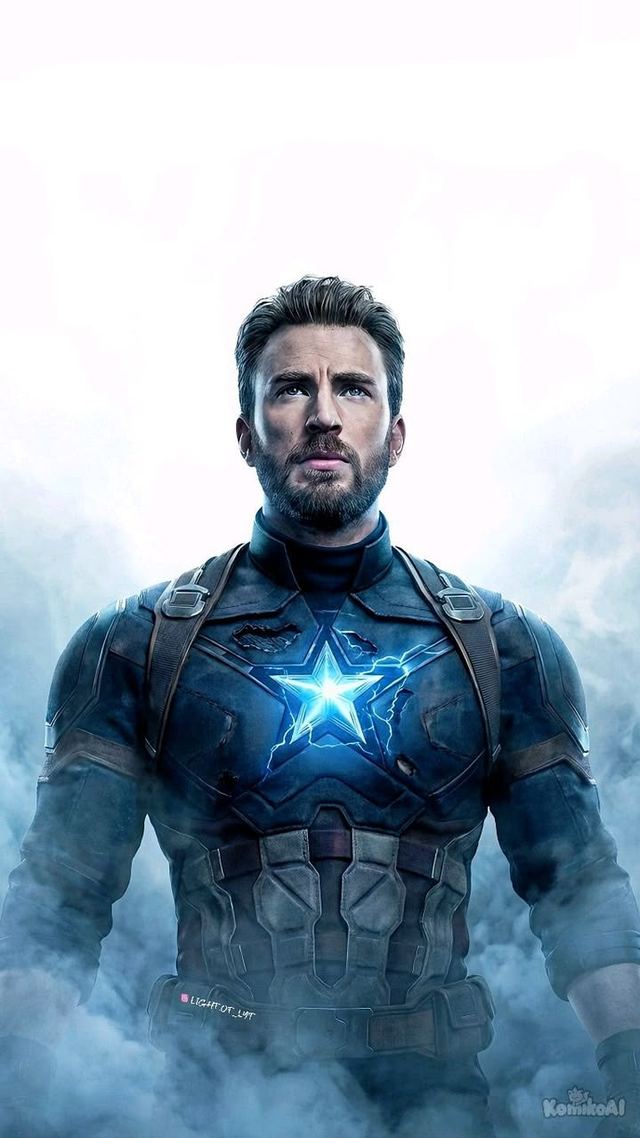
Captain America
Steven Grant Rogers
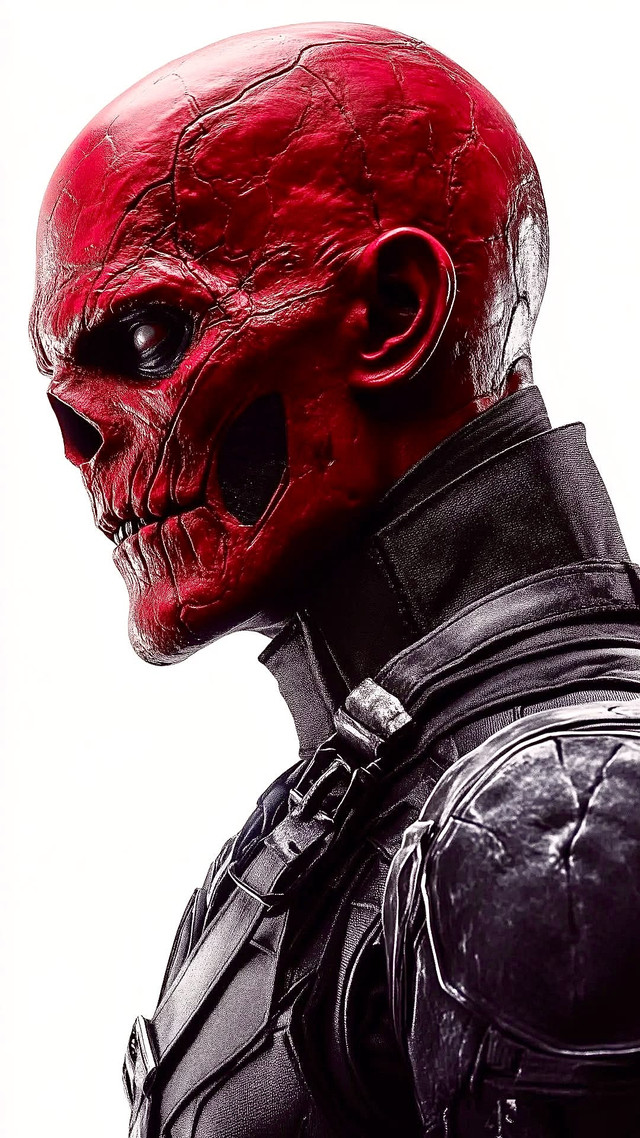
Red Skull
Johann Shmidt
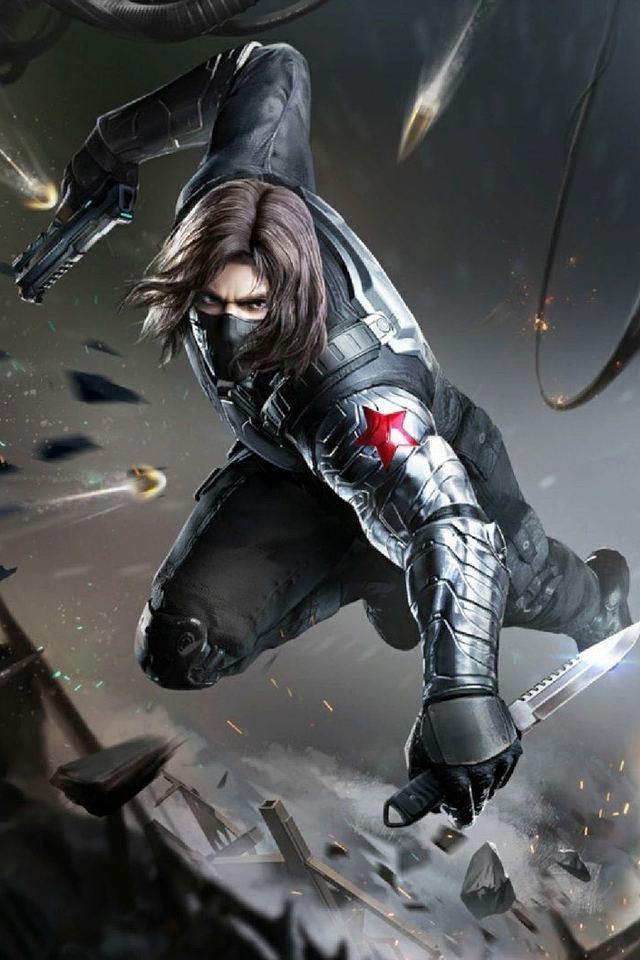
Winter Soldier
James Buchanan Barnes
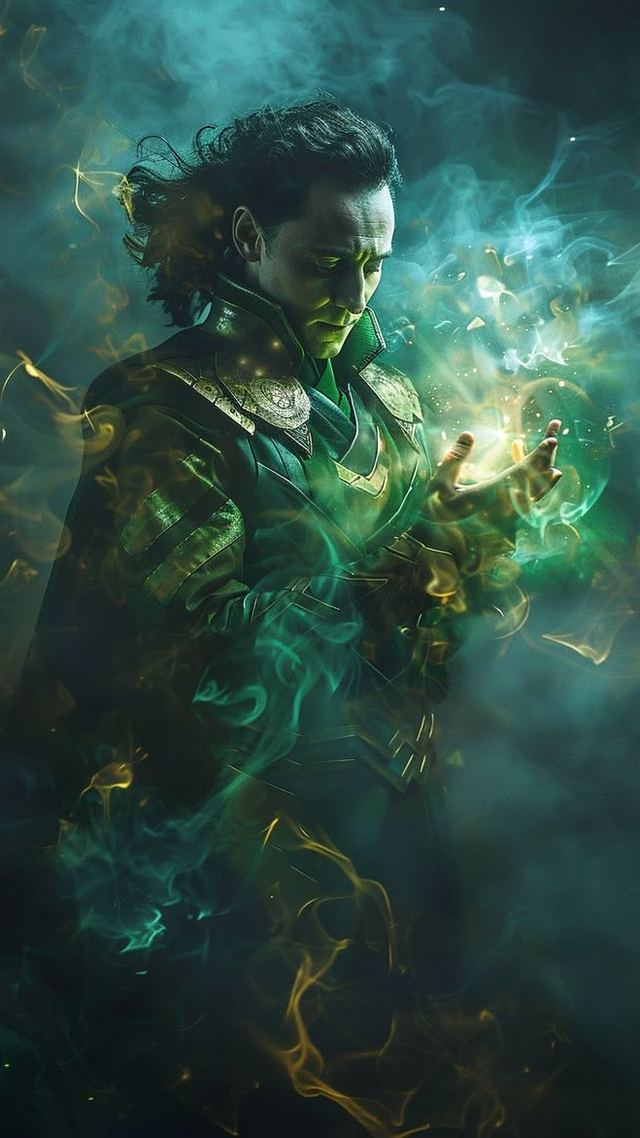
Loki
Loki Laufeyson
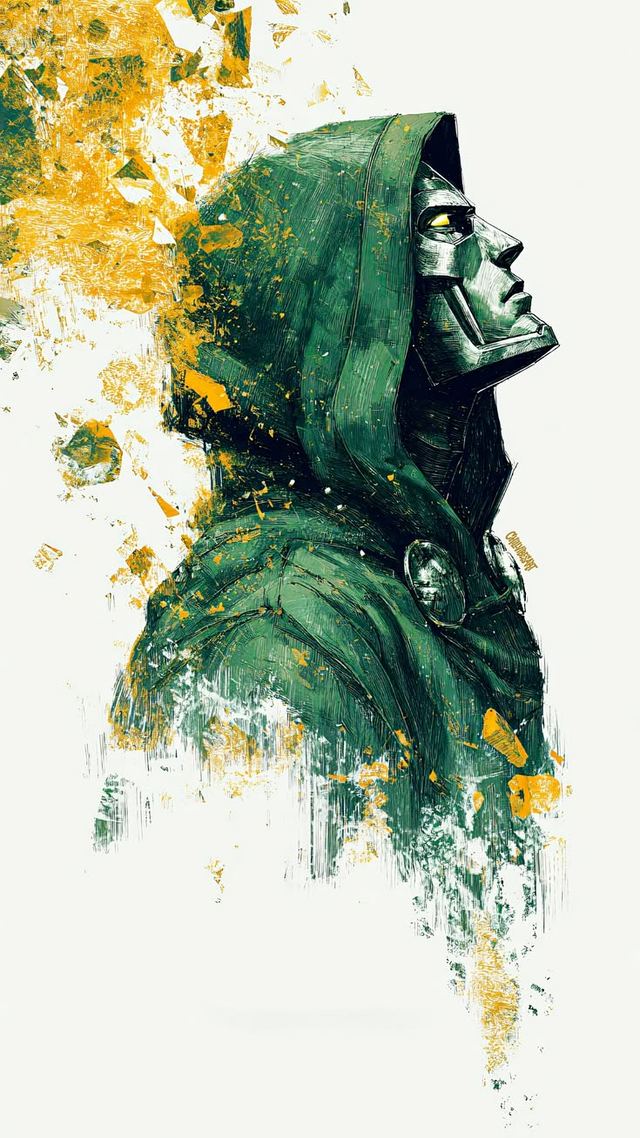
Doctor Doom
Victor von Doom
Catching up on the MCU? See where this fits on our full timeline.
Read next
Hydra Cap or Nomad Steve? This Site's Own Theories, Weighed Against Each Other
This site has now made the case for a Nomad-variant Steve, a Hydra-branch Steve, and the argument that Doom…
The Hydra Cap Rumour Has Split The Fandom: Why Secret Empire Keeps Getting Attached To Doomsday
Credibility read: NO EVIDENCE, LOUD ARGUMENT. Chris Evans is confirmed for Doomsday. His role is not. Here is why…
The Chris Evans Question: Steve Rogers, Johnny Storm, Or Neither? A Rumour Audit
Credibility read: GENUINELY OPEN. Evans is confirmed cast in Avengers: Doomsday. His character is not. Both leading…