The Moments That Defined Phase 4 And Phase 5, For Better And Worse
Two phases, sixteen films, a streaming experiment and a course correction. These are the beats that actually changed the shape of the franchise.
Phase 4 and Phase 5 will be argued about for a long time, and most of that argument is conducted at the level of box office. That is the least interesting lens available. What actually happened across these two phases is a franchise trying to answer a question it had never faced: what is this for, now that the story it was built to tell is finished?
Twelve moments answered that question, some brilliantly and some catastrophically.
The Criteria
- Did it change the direction of the franchise, not just the plot of its own project?
- Did it introduce a tool the MCU still uses — a character, a format, a tone?
- Is it still being discussed? Cultural persistence is a real measurement.
- Did it cost Marvel something? The negative entries here matter as much as the positive ones.
The Six That Defined Phase 4
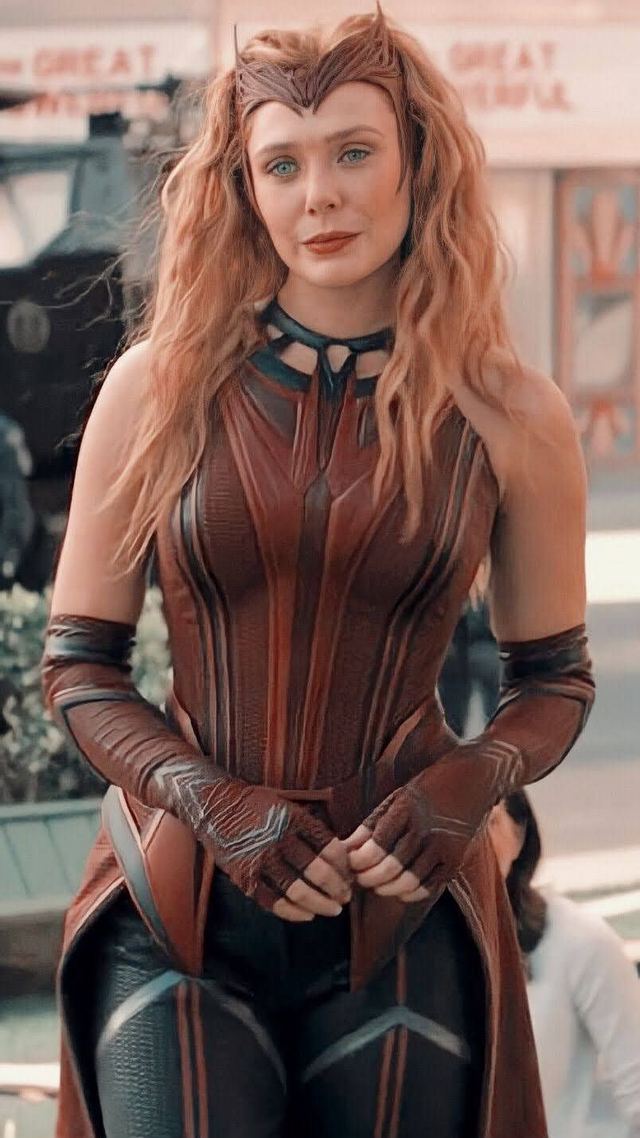
1. Wanda Says Grief Is Love Persevering
WandaVision landed in January 2021 into a world that had spent a year grieving, and it did something no Marvel project had attempted: it made superpowers a metaphor for a psychological state and then held that metaphor for nine episodes. Vision's line about grief is the most quoted piece of MCU dialogue not spoken by Tony Stark. It set the tone for an entire phase about consequence and loss.
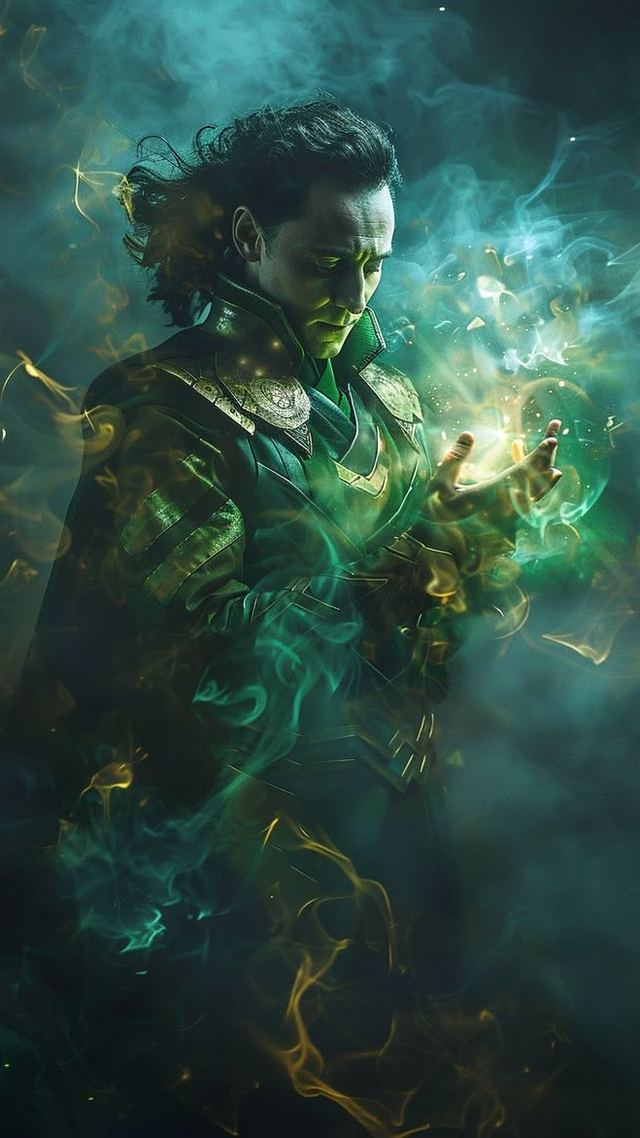
2. The Multiverse Opens In Loki
He Who Remains, a timeline branching, and the structural premise of the next five years established in a single episode of television. Loki did the heaviest narrative lifting of Phase 4 and did it on Disney+, which was itself the phase's biggest bet — that a streaming series could carry a slate-defining plot point.
3. Three Spider-Men On A Rooftop
No Way Home grossed $1.952 billion in December 2021 by doing something the franchise had never done — treating its own history as text. It also, crucially, made the nostalgia cost something. Aunt May dies, Peter loses his identity to the world, and the film ends with him alone in a bedsit stitching a suit by hand. The best possible version of a fan-service film.
4. Shang-Chi On The Bus
Marvel's best action sequence, in Marvel's most confident new-character introduction. Shang-Chi proved a genuinely new hero could open a film in a post-Endgame market, and Tony Leung's Wenwu quietly repaired the franchise's most contentious twist along the way.
5. The Eternals Reception
A defining moment for the wrong reasons and it belongs on this list. Eternals took Marvel's first Academy Award-winning director, gave her the largest ensemble in the franchise, and produced a 47 per cent film that grossed $402.1 million. It established the phase's central risk: that auteur hiring without structural discipline produces expensive incoherence.
6. Wanda Turns
Multiverse of Madness made the franchise's most sympathetic character into a horror antagonist, and the fandom split on it permanently. Whatever you think of the choice, it is the moment the MCU proved it would still let a project break a character. The magical mechanics behind it are worth understanding properly, which is why we wrote a full explainer on the limits of chaos magic.
The Six That Defined Phase 5
- Quantumania defeats its own saga villain — the single most damaging creative decision of the era, and the beginning of the pivot to Doom.
- Rocket's origin in Guardians Vol. 3 — the cruellest and best writing in either phase, and proof the franchise could still land emotionally.
- The Marvels grosses $206.1 million — the lowest in franchise history, and the moment output volume became an executive problem.
- Deadpool and Wolverine grosses $1.338 billion — a reminder that the audience had not left, only become selective.
- Thunderbolts* earns 88 per cent and loses money — the best-reviewed film of the phase, and the clearest evidence that quality alone was no longer sufficient.
- X-Men '97 hits 99 per cent — the highest-rated Marvel property in any medium arrives in animation, not live action.
Phase 5's defining statistic is that its best-reviewed film lost money and its most cynical film made $1.3 billion.
The Numbers That Explain The Course Correction
| Film | Phase | RT | Worldwide | Budget |
|---|---|---|---|---|
| Spider-Man: No Way Home | 4 | 93% | $1.952B | $200M |
| Eternals | 4 | 47% | $402.1M | $200M |
| Ant-Man and the Wasp: Quantumania | 5 | 46% | $476.1M | $200M |
| The Marvels | 5 | 62% | $206.1M | $220M |
| Deadpool & Wolverine | 5 | 78% | $1.338B | $200M |
| Captain America: Brave New World | 5 | 47% | $413.6M | $180M |
| Thunderbolts* | 5 | 88% | $382.4M | $180M |
| The Fantastic Four: First Steps | 6 | 87% | $519.1M | $200M |
Read that table as a story and the strategy shift is obvious. Three of the last four Phase 5 films failed to clear their combined production and marketing costs, and no Marvel title made 2025's global top ten — the first time that had happened in over a decade. The response has been fewer projects, longer gaps and a hard reset built around Avengers: Doomsday in December 2026.
What Carried Over Into Phase 6
The tools these two phases built are still in use, and a few of them are the best assets the franchise has.
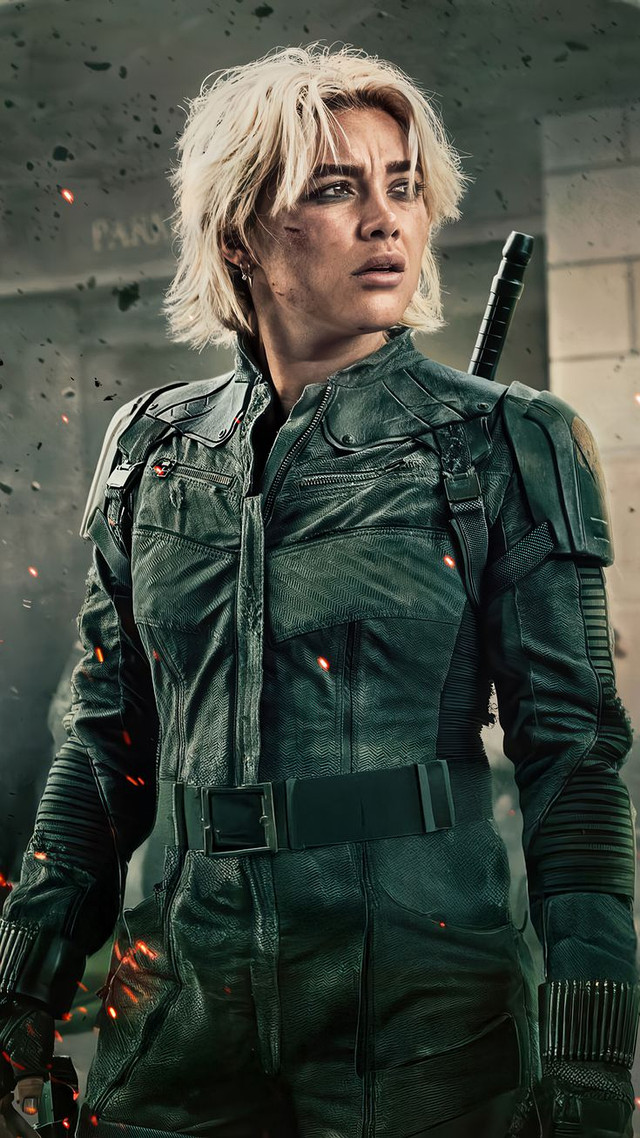
- The Yelena Belova and Red Guardian unit from Thunderbolts* is confirmed for Doomsday, making it the most successful new team introduction since the Guardians.
- The Fantastic Four: First Steps delivered $519.1 million and 87 per cent in July 2025, Marvel's biggest film of that year, and put the first family in play for the first time.
- The animated slate — X-Men '97 at 99 per cent and Your Friendly Neighborhood Spider-Man at 97 per cent — is now the studio's most reliable output.
- Wonder Man premiered 27 January 2026 at 90 per cent, topped the Disney+ charts and was renewed, which suggests the smaller, stranger streaming show still works when it has a point of view.
For the full standings, see our ranking of all 37 MCU films and every Disney+ series ranked.
Frequently asked
What defined Phase 4 of the MCU?
Why did Phase 5 underperform?
What was the best moment of Phase 5?
How is Marvel changing course for Phase 6?
Characters in this story

Catching up on the MCU? See where this fits on our full timeline.
Read next
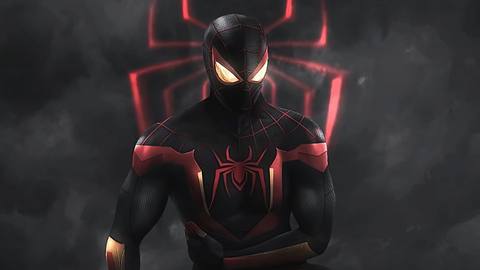
Every Marvel Disney+ Series Ranked, From Secret Invasion To X-Men 97
Eighteen shows, one wildly inconsistent streaming era. We rank Marvel television on execution rather than ambition…

The Biggest MCU Plot Twists, Ranked By How Well They Hold Up
A twist is only good if the second viewing is better than the first. We rank the MCU's biggest reveals on rewatch…
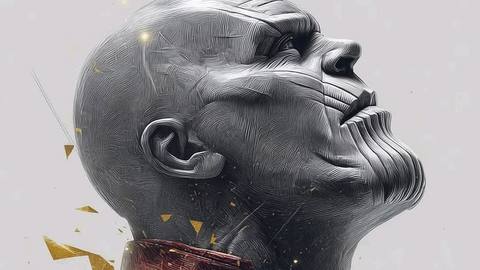
Every MCU Movie Ranked From Worst To Best (All 37 Films)
Thirty-seven films, one honest list. We rank the entire Marvel Cinematic Universe on rewatchability, craft and…