Why RDJ's Doctor Doom Needs to Acknowledge Tony Stark's Legacy
Every Doctor Doom fan theory traces back to one cave in Afghanistan. Here's why RDJ's version of the villain might be the Tony Stark who never came home.
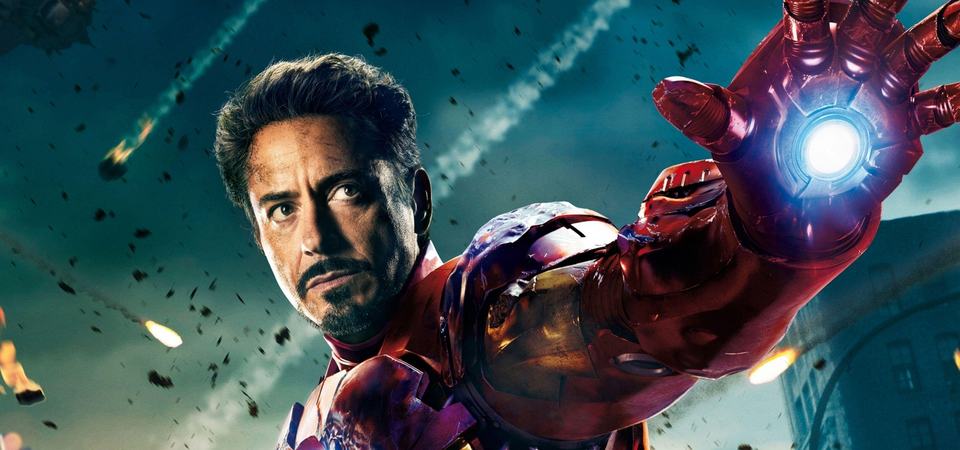
RDJ's Doctor Doom is the strangest piece of casting the MCU has pulled off since Robert Downey Jr. first climbed into a suit of powered armour, and the fan theory people keep returning to always lands on the same name: Tony Stark. Not a resurrection. Not a secret twin. A version of Stark from a timeline that split off somewhere around a cave in Afghanistan and never found its way back to being Iron Man.
The idea, in its simplest form: after the events of Iron Man (2008), this Stark either never puts on the suit at all, or he builds something that costs him everyone he loves — and the road that in our universe led to a Malibu cliffside workshop leads him instead towards Latveria, a crown, and the name Victor von Doom. It's unconfirmed — there's no script page, no Kevin Feige quote, nothing from the Russo brothers backing any of it — but it's the reading that keeps gaining traction precisely because Robert Downey Jr. is the actor doing it.
That's also where this becomes genuinely interesting as film criticism rather than casting trivia. A multiversal Stark-turned-Doom only works emotionally if Doctor Doom is written, at some point, to acknowledge the man he could have been. Otherwise RDJ is just a very famous face under green and gunmetal armour, and the casting is a marketing trick rather than a storytelling choice. Here's what the theory gets right, where it could collapse, and why Iron Man (2008) is worth another watch before Avengers: Doomsday arrives.
What's Actually Confirmed vs. What's Fan Theory
Let's separate fact from fandom before going any further, because this entire piece — like the rest of this site's Doomsday coverage — is built on an unconfirmed reading of a casting choice, not on reporting.
Robert Downey Jr. is playing Doctor Doom in Avengers: Doomsday, and Marvel Studios has been explicit that this is not Tony Stark returning from the dead. Why RDJ specifically was cast, and what his Doom's backstory involves, remains theory territory. If you want the deeper dive on the plot side of that uncertainty, our breakdown of the Incursion leak claims runs through the same confirmed-versus-rumoured split for Doom's actual role in the story.
| Confirmed | Theory / Unconfirmed |
|---|---|
| Robert Downey Jr. plays Doctor Doom in Avengers: Doomsday (18 December 2026) | Doom is a multiversal variant of Tony Stark |
| Tony Stark died in Avengers: Endgame (2019) | Doom's divergence point is the Iron Man (2008) cave in Afghanistan |
| The film's heroes come from "three distinct universes," per the official logline | Doom will verbally reference or mourn Tony Stark's life on screen |
| RDJ has described Doom as a separate character in press interviews | Doom's armour or dialogue will contain a direct visual or verbal Stark callback |
Grounding the Theory in Iron Man (2008)
The Cave in Afghanistan
Every version of this theory starts in the same ten minutes of footage. Tony Stark is captured by the Ten Rings, held in a cave, and forced to watch Yinsen die keeping him alive long enough to build a way out. In our timeline, that cave is where Stark becomes a different kind of person — the moment weapons manufacturing stops being abstract and starts being a body count he watched happen in front of him. The theory holds that a variant Stark walks out of a version of that same cave and processes it differently: not guilt that turns outward into heroism, but guilt that turns inward into control.
The First Flight Test
The garage sequence in Malibu — Stark building and testing the Mark II by trial, error, and a fire extinguisher to the face — usually gets read as the film's most purely joyful stretch, a billionaire genius playing with his own invention. It's also, structurally, the last time Stark builds something purely for himself before the mission takes over. A Stark who never gets that pivot towards outward heroism, who keeps refining the suit only to protect an empire rather than the world, is a short walk from a man who ends up ruling a shattered Earth instead of defending one. That leap, from private invention to public purpose, is exactly the beat a Doom-variant theory needs Stark to skip.
"I Am Iron Man"
I am Iron Man.
Stark's press conference confession is the moment Iron Man (2008) commits to him as a hero rather than a rich man in a suit hiding behind a cover story. It's a public, reputational risk — he could have kept lying and kept the government contracts intact. The theory's entire emotional engine depends on a variant who, faced with the same choice, picks the lie, the empire, or the isolation instead, and never says anything close to that sentence out loud.
RDJ's Doctor Doom vs. Tony Stark: The Case For and Against
The Case For: Everything Points This Way
The strongest argument for the theory has less to do with leaks and more to do with the logline Marvel already released: heroes converging from three distinct universes, a setup that dovetails with the wider Battleworld merge rumours swirling around this film and its 2027 follow-up. A multiverse-spanning conflict practically requires variants somewhere in the cast, and Robert Downey Jr. returning as anyone other than a variant of the MCU's most famous face would be an odd choice when the format is sitting right there.
There's also the comics precedent the marketing is clearly leaning on. Doctor Doom currently rules Earth in the comics' 'One World Under Doom' storyline, a ruler who insists he's the hero of his own story rather than its villain. A Stark variant who genuinely believes he saved his Earth by conquering it — rather than simply having failed to become Iron Man — fits that self-justifying characterisation far better than a generic megalomaniac would. Some fans extend the theory a layer further, pointing to Stark's Extremis research as a plausible source for whatever keeps this Doom alive and augmented; a separate theory covers that angle in more detail, and it's worth treating as speculation stacked on speculation.
- RDJ's own casting: the actor most identified with the genius-billionaire-turned-hero arc now playing the multiverse's cautionary tale.
- Doom's 'One World Under Doom' comics arc, where he genuinely believes conquering the planet counts as saving it.
- The film's 'three distinct universes' logline, which all but requires variant characters somewhere in the ensemble.
- A wider pattern of against-type casting around this film — Chris Evans is confirmed for Doomsday, but his specific role isn't, with rumours ranging from Steve Rogers to Johnny Storm.
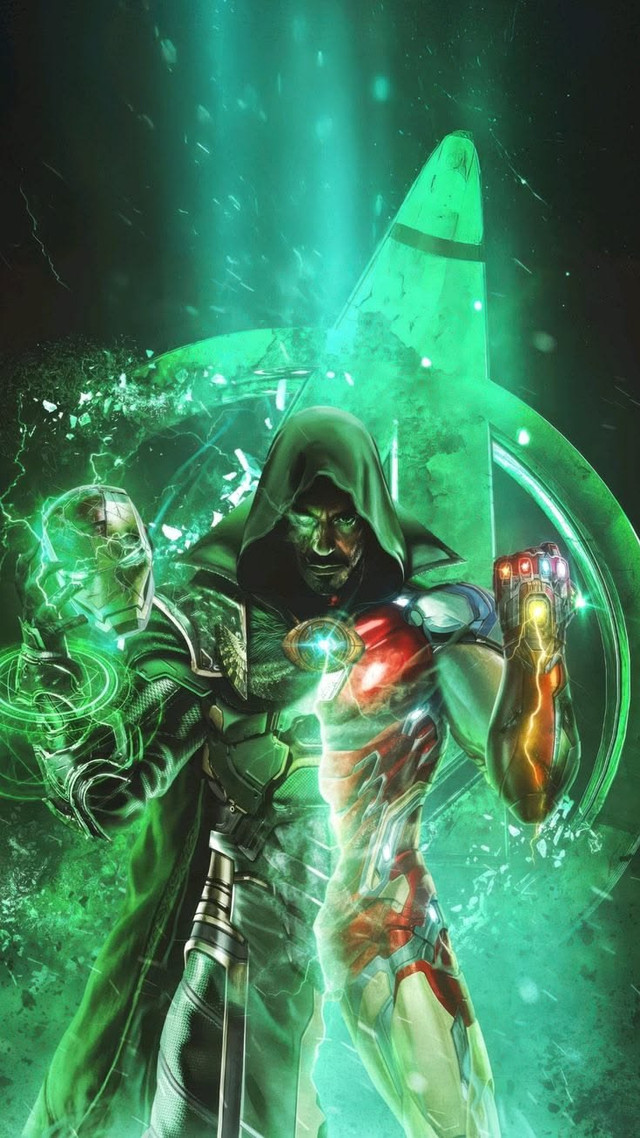
The Case Against: Where It Falls Apart
Robert Downey Jr. has said in press interviews that he sees Doom as a separate character, not a twisted mirror of Stark — the kind of statement actors usually give to protect a role from being read as a stunt. Kevin Feige, for his part, has talked about the multiverse angle in general terms for the ensemble cast, without confirming any specific backstory tying Doom to Stark. Both are real quotes attached to a theory that remains, at this point, entirely fan-constructed.
There's a simpler problem, too. Victor von Doom has a seventy-year comics history that has nothing to do with Tony Stark, built instead around Latveria, Reed Richards, and a very different genius-inventor origin. If Avengers: Doomsday leans too hard into 'secretly Stark' as the whole explanation, it risks flattening Marvel's Doctor Doom origin into an Iron Man footnote rather than the standalone villain the comics spent decades building. The strongest version of this theory treats Stark as one ingredient in Doom, not the whole recipe.
What Acknowledgement Could Actually Look Like on Screen
Possible Callback Moments
- A single line of dialogue — Doom recognising Tony Stark's name, tech, or face among the heroes from other universes, and reacting to it.
- A visual callback — armour plating, a chest-core detail, or a HUD readout that echoes Stark's designs without copying them outright.
- A scene where Doom is confronted with Stark Industries hardware or a Stark-adjacent character and has to react to what he isn't.
- A flashback or vision sequence, genuinely speculative, that shows the moment his path split from Stark's without literally restaging the Afghanistan cave.
Where It Could Go Wrong
The failure mode here is obvious: turning every scene into a wink at Iron Man (2008) would undercut Doom as his own villain and irritate the audience that just wants a menacing Victor von Doom, not two and a half hours of Stark cosplay. The best version of this acknowledgement is restrained — a beat, not a subplot. The ongoing debate over whether RDJ's casting erases Doom's own identity is worth reading if that risk is what worries you most. It's also worth remembering that Doomsday's script has reportedly gone through real changes already; our look at the rewrites and editing-room chaos is a good reminder that any specific plot mechanic, including this one, should be treated as provisional until the film actually opens.
Why Rewatching Iron Man (2008) Hits Different Now
None of this requires Marvel to confirm anything for the rewatch to be worth doing. Knowing where Robert Downey Jr. ends up next changes how the cave sequence plays: Stark's captors stop being just antagonists and start being the first people who force him to reckon with what his own genius has built, which is precisely the question a Doom-variant theory needs answered differently.
Watch the garage scenes again with Doom in mind and Stark's isolation reads less like quirky billionaire behaviour and more like a warning sign — a genius who trusts almost no one to help him build the thing that will define him. That's true of Stark in 2008, and, per the theory, it's true of whoever RDJ is playing in 2026, just aimed in a different direction. The line between the two men, on this reading, is thinner than the finished cut of Iron Man (2008) ever wants you to notice.
There's also the plain pleasure of watching Robert Downey Jr. build a hero from nothing, scene by scene, before finding out what the multiverse allegedly did to a version of him. For the fuller context of where Iron Man (2008) sits relative to everything else this theory is drawing from, the MCU timeline is the fastest way in.
The Bottom Line on the RDJ Doctor Doom Tony Stark Theory
The theory is speculative, occasionally overreaching, and still the most emotionally coherent explanation anyone has offered for why Robert Downey Jr., specifically, is the actor playing Victor von Doom. That doesn't make it true. It makes it the read worth testing against the finished film in December.
Rewatch Iron Man (2008) between now and 18 December 2026 and pay attention to what Stark almost doesn't do: the honesty, the accountability, the willingness to be seen. If Avengers: Doomsday gives its version of Doctor Doom even one scene that acknowledges those choices, in absence or in memory, the theory will have been worth taking seriously. If it never comes up, that's a fair answer too — RDJ warned everyone this Doom is his own man. This is one entry in a wider rewatch series; if villain team-ups interest you more than Stark's legacy, our piece on Abomination's possible Battleworld recruitment is a good next read.
Frequently asked
Is RDJ's Doctor Doom actually Tony Stark?
What is the Tony Stark Doomsday theory?
Has Robert Downey Jr. confirmed Doctor Doom is connected to Tony Stark?
Do I need to rewatch Iron Man (2008) before Avengers: Doomsday?
What is Doctor Doom's origin in the Marvel comics?
When does Avengers: Doomsday come out?
Characters in this story
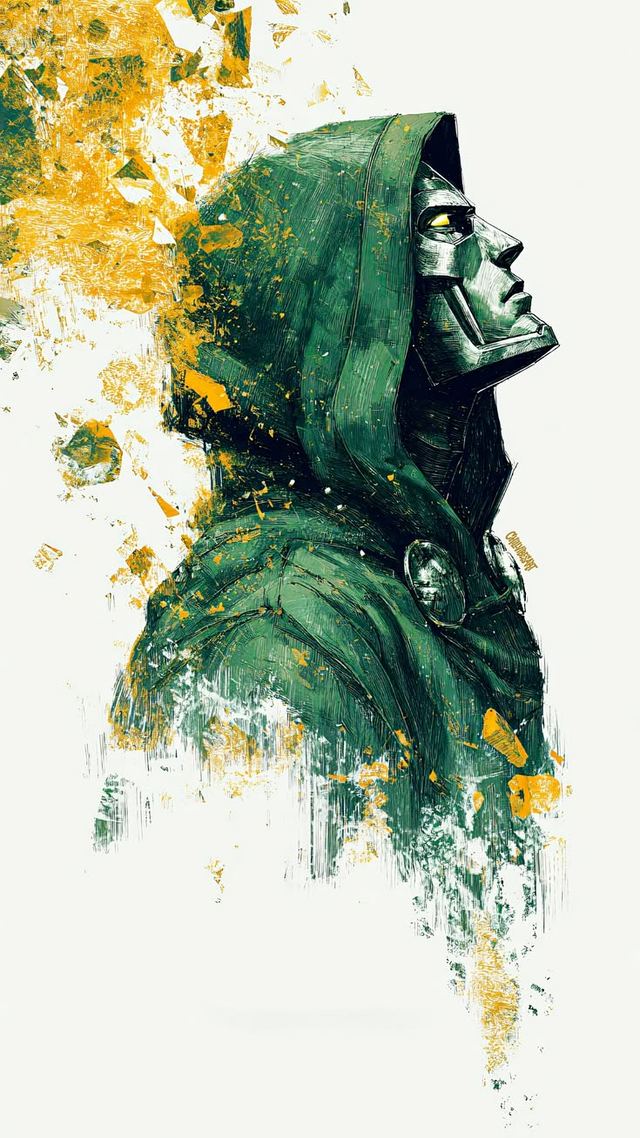
Doctor Doom
Victor von Doom
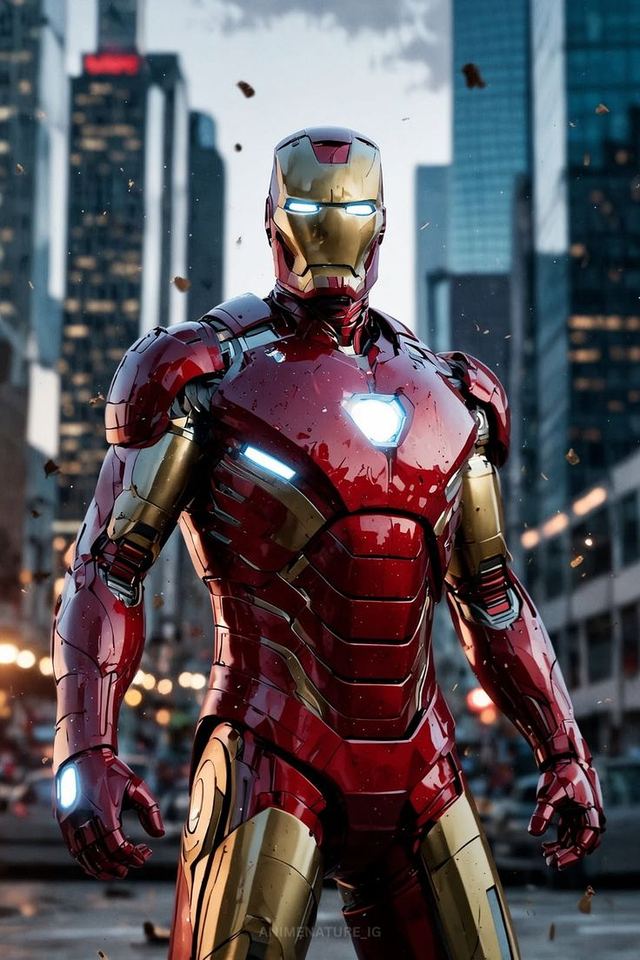
Iron Man
Anthony Edward Stark
Catching up on the MCU? See where this fits on our full timeline.
Read next
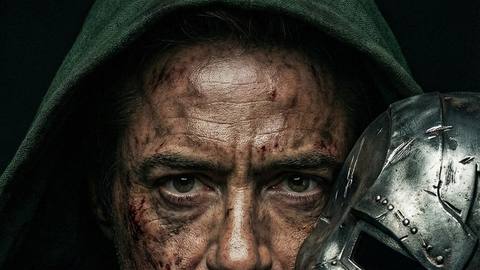
Is RDJ's Doctor Doom Erasing Victor Von Doom's Romani Roots? The Backlash, Examined
RDJ's casting is confirmed and, by now, old news. What's still actively being argued is narrower and sharper: does…
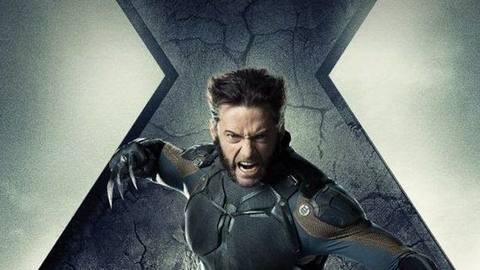
Does Doctor Doom Actually Cause the Incursions in Avengers: Doomsday? The Leak, Explained
A detailed leaked document, endorsed on air by a critic with a real track record on this film, claims incursions…
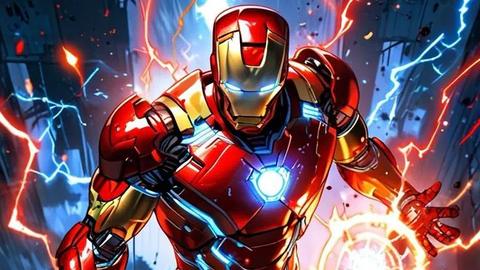
The Extremis Virus: Doom's Secret Weapon for Incursion Survival
Iron Man 3's most dangerous virus never really left the MCU. Here's the fan case for why Extremis might be the only…