Hydra Cap or Nomad Steve? This Site's Own Theories, Weighed Against Each Other
This site has now made the case for a Nomad-variant Steve, a Hydra-branch Steve, and the argument that Doom specifically needs a Hydra Cap. None of them can all be right. Here's an honest read on which has more going for it.
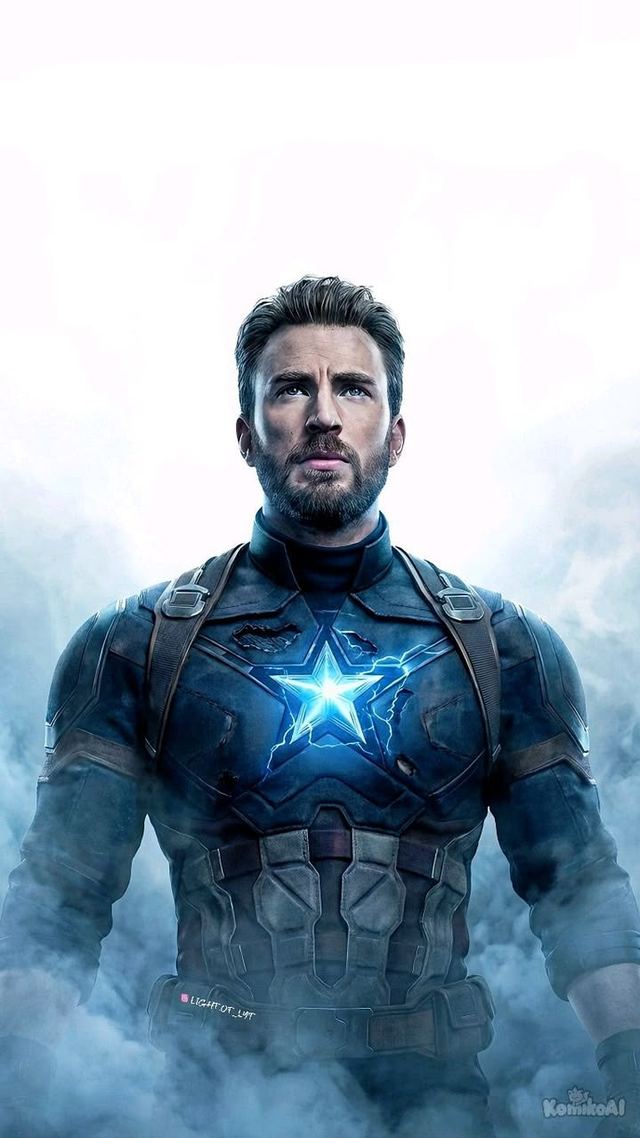
Between four separate pieces, this site has now made a genuinely thorough case for two different, mutually exclusive versions of the Steve Rogers returning in Avengers: Doomsday: one where he's simply a Nomad-branch variant who never made the bench, and one where he's a version corrupted by HYDRA in a timeline he left behind. They can't both be the headline twist. It's worth actually weighing them against each other rather than leaving four separate theories sitting unreconciled.
The Case for Nomad
The Nomad-variant theory starts from a structural problem: Endgame ends with Steve as an old man who lived a full life with Peggy. Doomsday needs him back in genuine fighting shape. Both can't be true of the literal same, single-timeline Steve — so this theory argues the returning Steve is a variant from a branch where his post-1940s choices went differently, explaining both the domestic "baby" footage and his physical readiness for a fight. It's the more grounded of the two readings: it requires only the multiverse mechanics *Loki* already established, not a new corrupted-ideology twist.
The Case for Hydra Cap
The Hydra-branch theory goes darker and more specific: in the branch Steve left behind when he chose to stay for the dance, a frozen Steve Rogers is still under the ice — found, in this reading, by HYDRA rather than SHIELD. A separate piece on this site argues Doom structurally needs exactly this kind of villain — a hero's face turned weapon, since "a robot army does not have" the kind of moral gut-punch a great third act requires. That's a real dramatic argument, not just a shock-value one: Doom has Sentinels and scale, but nothing yet that makes the audience flinch the way Killmonger or a corrupted Gamora did.
Why the Fandom Backlash Cuts Against the Hydra Read
This site has separately covered the fandom backlash to the Hydra Cap rumor itself, rating it "NO EVIDENCE, LOUD ARGUMENT" — a rumor that's generated enormous discourse volume without a single credible leak or casting detail actually behind it, distinct from the Nomad theory, which is built more from Endgame's own internal logic than from any circulating scoop. That's a meaningful difference in how each theory is built, even though neither is confirmed: one is inferred from a continuity problem Marvel created itself, the other is inferred from what would make a satisfying antagonist, with less connecting tissue to anything actually shown on screen.
| Theory | Built from | Supporting evidence | Weaknesses |
|---|---|---|---|
| Nomad-variant Steve | Endgame's ending vs. Doomsday's needs | Baby-scene footage tone, longer hair, no active-duty urgency | Doesn't explain why Marvel would specifically call him "Nomad" rather than just "a variant" |
| Hydra Cap | Doom's need for a personal antagonist | Dramatic logic (Sentinels alone lack a moral gut-punch) | No leak or casting detail directly supports it; largely fan-generated discourse |
If forced to bet on evidence alone rather than dramatic satisfaction, the Nomad-variant read currently has the stronger foundation — it solves an actual continuity problem Marvel created with its own marketing, rather than answering a "wouldn't it be dark if" impulse. That doesn't make Hydra Cap wrong. Doom's structural need for a personal-stakes villain is a real gap in the film as currently marketed, and Marvel has surprised fans with darker turns before. It just means one theory is currently doing more work with less speculative fuel than the other.
Frequently asked
Can Steve Rogers be both a Nomad variant and Hydra Cap in Avengers: Doomsday?
Which theory has more evidence: Nomad Steve or Hydra Cap?
Has Marvel confirmed which version of Steve Rogers is returning?
Why would Doctor Doom need a Hydra Cap specifically?
Is the Hydra Cap rumor backed by any leaks?
Characters in this story
Captain America
Steven Grant Rogers
Catching up on the MCU? See where this fits on our full timeline.
Read next
Avengers: Doomsday's Steve Rogers Might Not Be the Man Who Sat on That Bench
Endgame ended with Steve Rogers as an old man on a bench. Doomsday needs him back in fighting shape. One theory…
The Cruellest Reading of Endgame: Steve Rogers Got His Dance — and Left Another Version of Himself in the Ice for HYDRA
Steve stayed for the dance. But in the branch he left behind, a frozen soldier still waits under the ice — and in…
The Hydra Cap Rumour Has Split The Fandom: Why Secret Empire Keeps Getting Attached To Doomsday
Credibility read: NO EVIDENCE, LOUD ARGUMENT. Chris Evans is confirmed for Doomsday. His role is not. Here is why…