The Isolation of Peter Parker: Tom Holland's Most Emotional Performance Yet
Peter Parker has spent four years as a stranger to everyone he loves. Tom Holland plays that as exhaustion rather than grief, and it is the best work he has done.

There is a version of Spider-Man: Brand New Day that plays the premise for tragedy in every scene — the boy nobody remembers, underlined twice. Tom Holland does not play it that way. He plays a man who has had four years to get used to it, and that decision is what makes this the most affecting work of his time in the suit.
The setup is brutal on paper. At the end of No Way Home, Peter Parker asks Doctor Strange to erase him from the memory of every person alive. Brand New Day picks him up four years later, still in New York, still swinging, and completely alone in a city full of people who used to love him.
Four Years of Living Like a Ghost
The gap is the film's smartest structural choice. Picking up the morning after would have given us grief, and grief is loud and easy to act. Four years gives us something harder: routine. Peter has built a life around the absence. He knows which streets to avoid. He has a rhythm.
Holland plays that as low-level exhaustion rather than open wounds — the flatness of someone who stopped expecting the situation to change. It is a quieter register than anything Marvel has asked of him before, and it holds a two-hour film without ever tipping into self-pity.
The Hardest Scenes Are the Ones Where Nothing Happens
The MJ and Ned material is where this lands hardest. Zendaya and Jacob Batalon are not playing grief — their characters have lost nothing, because as far as they know there was never anything there. They are fine. They are doing well. That is the cruelty of it.
So the emotional weight sits entirely on Holland, in scenes where the other person in the frame is perfectly comfortable and he is the only one holding a history. Watching two people be happy at you is a strange, specific kind of pain, and the film keeps putting him in rooms where that is the only thing happening.
The spell did not take Peter's friends away from him. It took him away from his friends, and left him standing close enough to watch.
Cretton shoots those encounters without underlining them. No swelling score, no lingering push-in on Holland's face to tell you how to feel. The camera treats them as ordinary, which is precisely how they would feel to Peter by year four — and it leaves Holland to carry the entire subtext in what he does not say.
It also quietly answers a complaint the ending of No Way Home has carried for years — the argument we worked through in our look at whether the spell wrecked Peter's supporting cast. Brand New Day's response is not to undo it but to sit inside it long enough to make it cost something.
What Holland Does Differently This Time
The shift is physical as much as emotional. Holland has spent five films playing Peter as motion — talking fast, filling silences, bouncing. Here he does almost none of that, and the absence is the point.
- Stillness where the character used to fidget, especially out of the mask
- A markedly lower vocal register; the nervous chatter is gone because there is nobody to be nervous in front of
- Body language that reads as guarded rather than eager — shoulders in, distance kept
- The comic timing deployed deliberately and sparingly, as something Peter reaches for rather than something he is
- A visible physical toll from four years of fighting without backup, carried into the non-action scenes rather than reset between them
None of that is showy. It is the kind of work that only registers if you have watched the character for a decade — which, conveniently, describes most of the audience.
The Adult Question the Films Have Always Dodged
Underneath the isolation is the theme this franchise has circled since 2016 without landing: whether Peter is allowed a life. Every previous film raised it and then resolved it with a set piece. Brand New Day makes it the actual plot, because the spell removed the option of having it both ways. There is no secret identity to protect any more. There is only the job, and the empty apartment after it.
That is a genuinely adult framing for a character usually written as arrested adolescence, and it is why the climax works emotionally rather than just structurally. The question is not whether Peter can win. It is what winning is supposed to get him. We have written separately about whether Spider-Man functions at all without an identity to protect — this film's answer is that he functions, but at a price he is running out of ways to pay.
It is also the first time the films have let the consequence outlive the scene. Peter's losses have historically been reset by the next instalment: a mentor dies, a girlfriend is forgotten, and the following film opens on a joke. Here the damage is load-bearing. Everything Peter does for two hours is shaped by an absence he chose, and the film refuses to hand him an easy route out of it.
Where the Performance Lands
Holland has never been the problem in these films, but he has rarely been the reason to see one. Here he is. Brand New Day gives him the first Spider-Man role that is mostly interior, and he meets it with restraint rather than volume — which is the harder and much less rewarded choice. If you are tracking how this fits against everything else Marvel has in flight, our full MCU timeline places it in the run-up to Avengers: Doomsday in December, a film that will ask him for something very different.
Frequently asked
How long after No Way Home is Brand New Day set?
Do MJ and Ned remember Peter in Brand New Day?
Is this Tom Holland's best Spider-Man performance?
Do I need to rewatch No Way Home first?
Characters in this story

Spider-Man
Peter Benjamin Parker
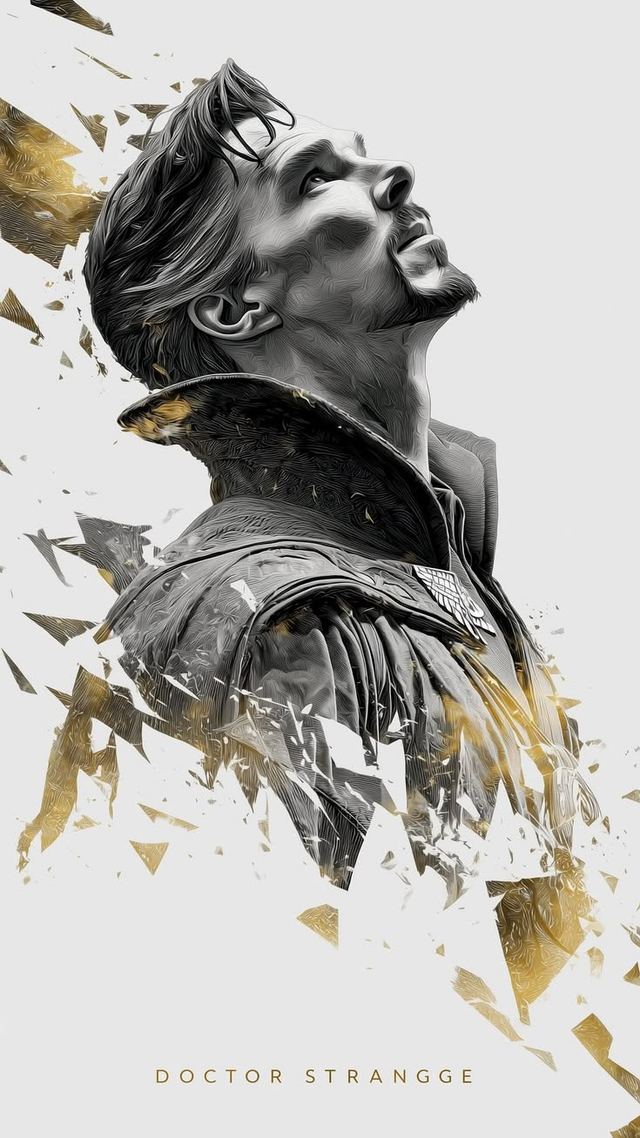
Doctor Strange
Stephen Vincent Strange
Catching up on the MCU? See where this fits on our full timeline.
Read next

Did No Way Home's Ending Ruin Peter Parker's Supporting Cast?
Doctor Strange's spell wiped MJ and Ned's memory of Peter's identity — and five years later, Brand New Day is still…

The Isolation Paradox: Can Spider-Man Work Without a Secret Identity to Protect?
Brand New Day's Peter has almost nothing left to hide — and almost no one left to hide it from. Reviews describe a…

Spider-Man: Brand New Day Is a Superhero Movie for Yearners
Beneath the box-office spectacle, Brand New Day is a superhero movie about loneliness — and proof it's time to let…