Back to Basics: How Destin Daniel Cretton Brought Street-Level Stakes to Spider-Man
The boldest choice in Brand New Day isn't a cameo or a multiverse door. It's how small Destin Daniel Cretton was willing to make Spider-Man again.
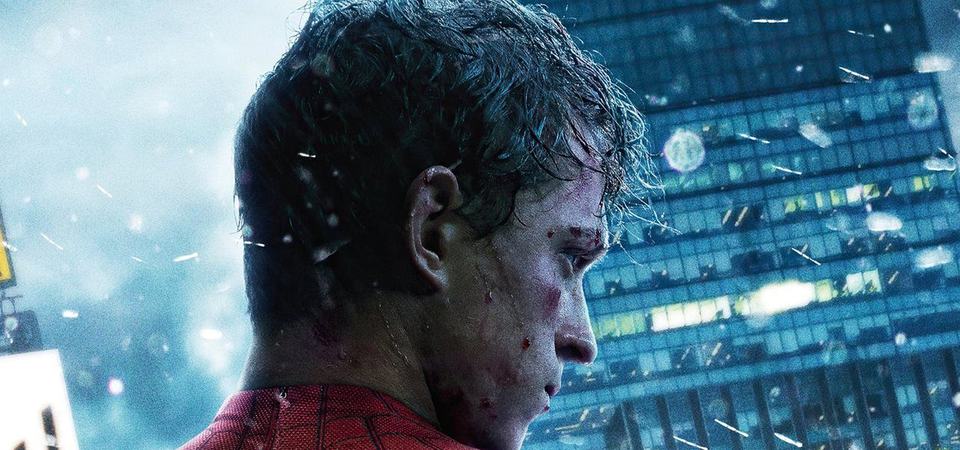
The most radical decision in Spider-Man: Brand New Day is not a cameo, a variant, or a door to another universe. It is subtraction. After No Way Home ended with the multiverse cracked open and half of Marvel's back catalogue crawling through the gap, the obvious move was to go bigger. Destin Daniel Cretton went the other way and shrank the whole thing down to a few square blocks.
Empire's coverage of the film frames that pivot as the defining choice of Cretton's tenure — a director best known for the intimate, unglamorous character work of Short Term 12 taking Marvel's biggest asset and pointing it back at a street corner. It is a genuinely risky bet for a film tracking a $180M-plus opening, and it is the reason Brand New Day feels unlike any Spider-Man movie Marvel has made.
After the Multiverse, a City Block
The scale problem was baked in the moment No Way Home wrapped. Once your hero has fought three generations of villains alongside two other versions of himself, an ordinary mugging in Queens looks like a rounding error. Most franchises solve that by escalating until the numbers stop meaning anything.
Cretton's answer is to change what the stakes are made of rather than how large they are. The threat in Brand New Day is not a hole in reality; it is a city that no longer knows who Peter Parker is, and a young man with no institutional backing trying to be useful inside it anyway. The camera stays at eye level. The fights happen in stairwells, alleys and construction sites rather than collapsing skylines.
No Stark Tech, No Avengers, No Safety Net
The practical engine of that shift is everything Peter no longer has. The Stark-built suits, the onboard AI, the drone support, the instant line to a superteam — all of it was inherited, and all of it is gone. What Cretton is left with is a teenager, a pair of home-made web-shooters and a city that will not slow down for him.
- The Stark tech pipeline that armed him from Civil War onward, and the mentor relationship with Tony Stark that came attached to it
- Avengers backup — no quinjet, no reinforcements, no one on comms
- A support network that remembers who he is under the mask
- The financial and legal cover that came with being an Avenger
- Any real margin for error, because nobody is coming to correct one
Strip away the gadgets and the team, and what is left is the only version of the character that has ever really mattered: a kid who keeps getting up.
Fighting Hurts Again
The knock-on effect is physical. Tom Holland's Spider-Man has spent most of a decade fighting like someone who cannot be seriously hurt, because the suit was doing a great deal of the work. Brand New Day makes him fight like someone who can. The choreography is scrappier and more tactical — improvised weapons, environmental leverage, the sense of a man conserving energy because he only has so much of it.
That reads as a rebirth in the most uncomfortable sense of the word. Injuries accumulate. Recovery takes screen time. The presence of Frank Castle in this corner of the story sharpens the point: Brand New Day is set in the part of the MCU where violence leaves marks, and it is not interested in pretending otherwise.
There is a craft argument buried in that choice too. Weightless action is a symptom of characters who cannot lose, and the MCU has spent years accumulating heroes whose power sets quietly removed the possibility of a bad outcome. Give a fight scene a body that bruises and the geometry changes: cover matters, distance matters, and the audience starts reading the scene instead of waiting for it to resolve. It is cheaper than a third act built on falling architecture, and it lands harder.
| What carried the fight before | What carries it now |
|---|---|
| Stark-designed suits with onboard targeting | Reflexes, spider-sense and improvisation |
| Drone support and remote assistance | Whatever is bolted to the wall nearby |
| Avengers reinforcements on call | Nobody |
| Set-piece scale measured in city blocks | Set-piece scale measured in stairwells |
Cretton's Real Trick: Action That Carries Emotion
The easy version of a grounded reboot is grim texture with nothing underneath it. What keeps Brand New Day from that trap is how deliberately Cretton alternates registers — a genuinely kinetic web-slinging sequence, then a long, quiet scene about being nineteen and completely alone. The action is not a break from the character study; it is the character study, staged at speed.
That is the argument the film is making about the whole genre: Spider-Man works best when the personal danger is at least as sharp as the supervillain, and the moment the emotional stakes stop keeping pace with the spectacle, the spectacle stops registering. We have written before about how Cretton's indie instincts collide with the Marvel formula — this is where the collision produces something rather than cancelling out.
It also gives the supporting cast somewhere to stand. When the threat is a city rather than a cosmic entity, the people Peter passes on the street stop being set dressing and start being the reason any of it matters. That is the oldest trick in the character's book, and it only works at this altitude — you cannot write a neighbourhood into a film whose climax happens in orbit.
Where It Leaves Peter — and the Slate
The risk is obvious. A studio that has spent five years selling scale is now asking an audience to care about a fight on a fire escape, and the run-up to Avengers: Doomsday in December will pull hard in the opposite direction. Whether a deliberately small Spider-Man movie can hold its ground in a year built around cosmic escalation is a real open question, and the box office will answer it before the discourse does.
What is not in doubt is that the film knows exactly what it is doing. Brand New Day is the first Spider-Man movie of this era to treat the absence of a safety net as the point rather than a temporary inconvenience. If you are placing it against everything around it, our full MCU timeline lays out where this sits in the run-up to Doomsday — and how far the tonal distance between the two really is.
Frequently asked
What does "street-level" actually mean for Spider-Man?
Does Peter Parker still have Stark technology in Brand New Day?
Why did Marvel hire Destin Daniel Cretton for this?
Is Brand New Day connected to Avengers: Doomsday?
Characters in this story
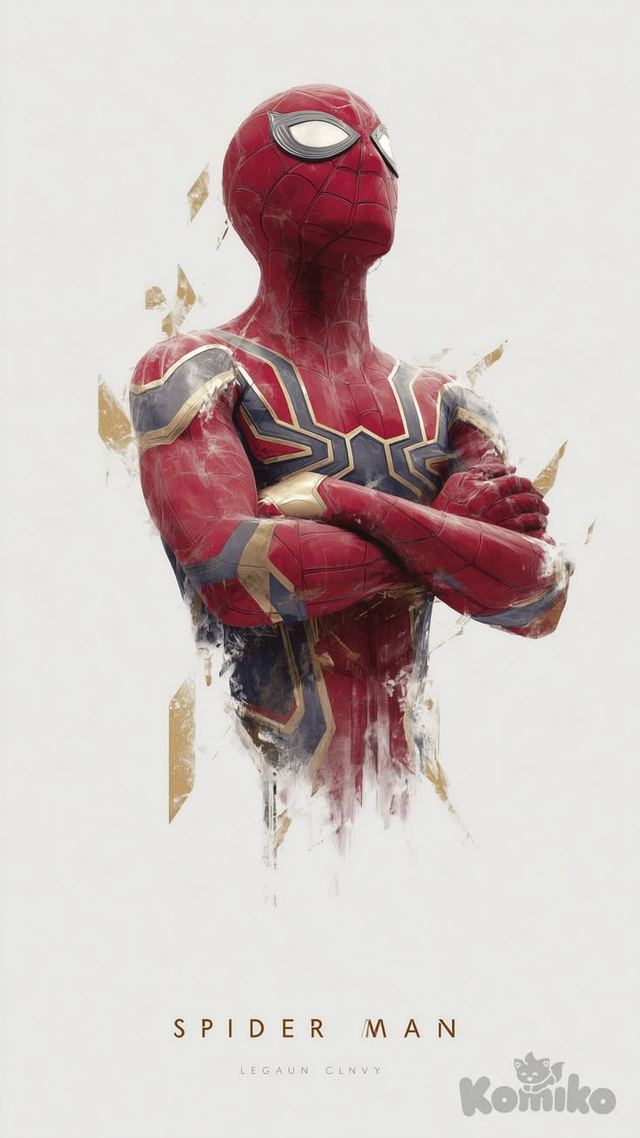
Spider-Man
Peter Benjamin Parker
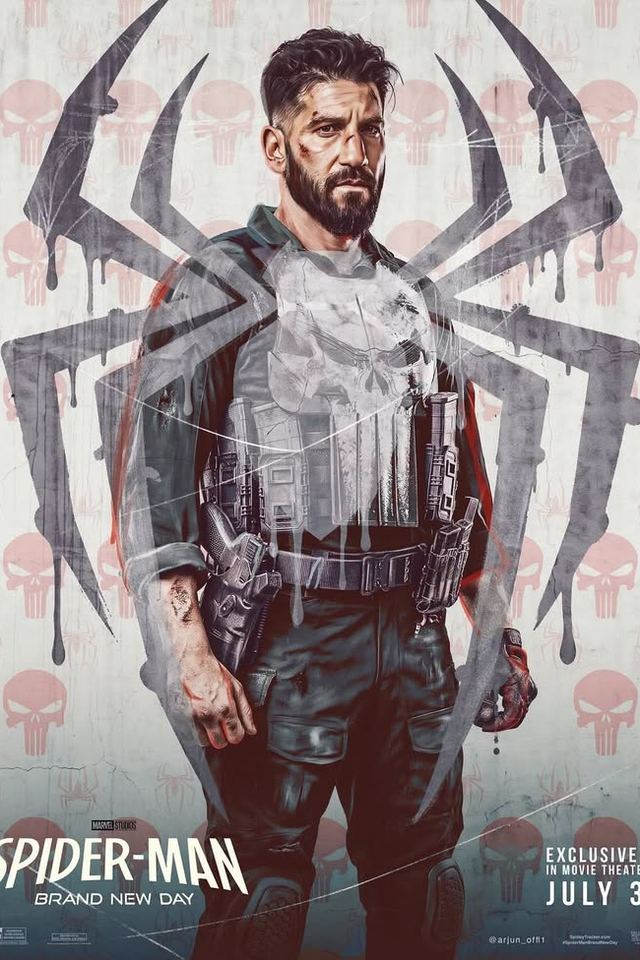
The Punisher
Francis David "Frank" Castle (born Castiglione)
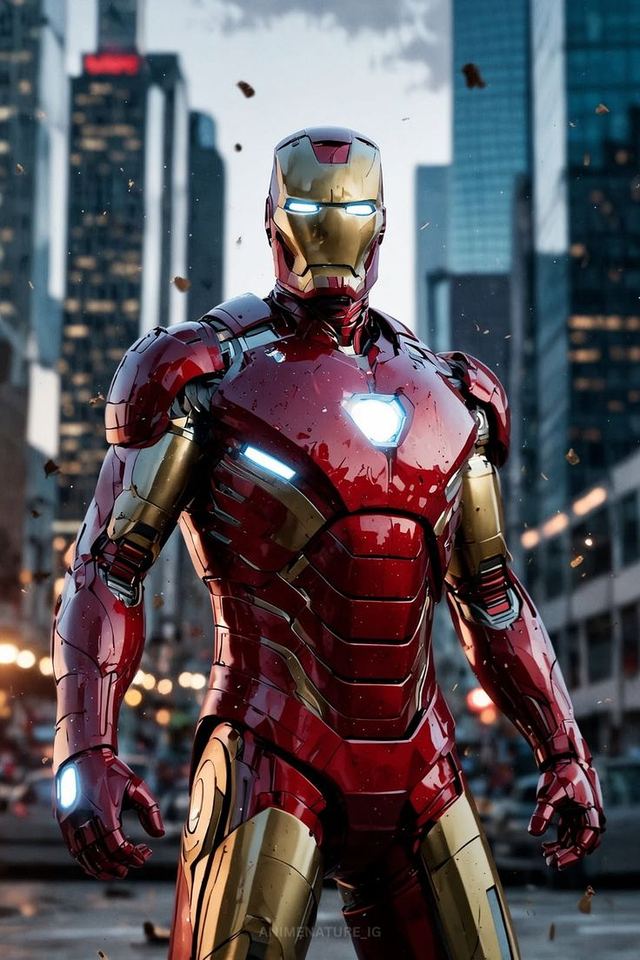
Iron Man
Anthony Edward Stark
Catching up on the MCU? See where this fits on our full timeline.
Read next
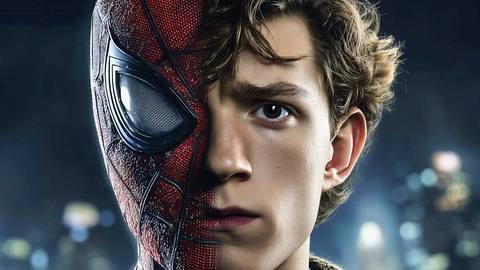
Destin Daniel Cretton's Direction: Indie Sensibility vs. Blockbuster Formula
RogerEbert.com's sharpest line about Brand New Day isn't about Holland — it's 'sadly, this isn't Spidey Term 12.'…
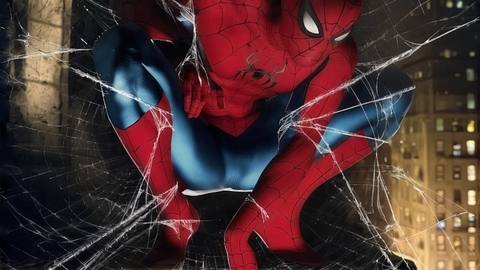
The Isolation Paradox: Can Spider-Man Work Without a Secret Identity to Protect?
Brand New Day's Peter has almost nothing left to hide — and almost no one left to hide it from. Reviews describe a…

Action vs. Emotion: Are Marvel Action Set-Pieces Getting Worse?
TIME calls the CGI battles 'perfunctory and underwhelming.' RogerEbert.com says the best action lands 'remarkably…