Red Skull Never Needed to Beat Captain America — He Just Needed to Rewrite Him
In the comics, Red Skull beat Captain America without landing a punch. He used a Cosmic Cube to make Steve Rogers a HYDRA loyalist from birth — and nobody noticed.
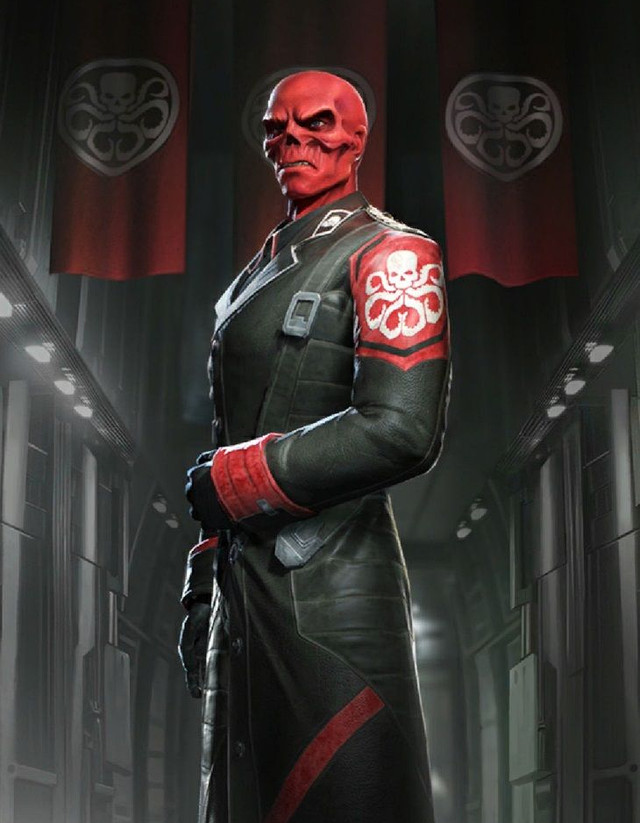
Johann Schmidt has spent eighty-five years losing. He lost the war, lost the Tesseract, lost his face, and — in the MCU's most humiliating exit — lost his own body to a rock on Vormir, where he spent seventy years as a customer-service ghost explaining the price of the Soul Stone to people who had come to kill him. As arch-nemeses go, he has an appalling record.
Which makes what he does in the comics all the more remarkable. In 2016, Red Skull finally beat Captain America — and he did it without a single punch. He simply edited him. And by the time anyone worked out what had happened, Steve Rogers had been a HYDRA sleeper agent since childhood, in a history that had always been true.
The Cosmic Cube plan, in plain English
The mechanism matters, because it is the difference between a mind-control story and something far nastier. Red Skull did not brainwash Steve. Brainwashing can be undone; a brainwashed man is still himself underneath, and every Marvel hero knows how to talk someone back.
Instead, Skull got hold of Kobik — a fragment of a shattered Cosmic Cube that had become sentient, and had taken the form of a child. Cosmic Cubes do not alter minds. They alter reality. Skull persuaded Kobik to reach back through Steve Rogers' entire life and rewrite it: a childhood recruited by HYDRA, a mother saved by HYDRA, decades of loyalty running underneath every heroic act he ever performed. The Steve who woke up the next morning was not lying about who he was. He remembered a life that had genuinely, retroactively happened.
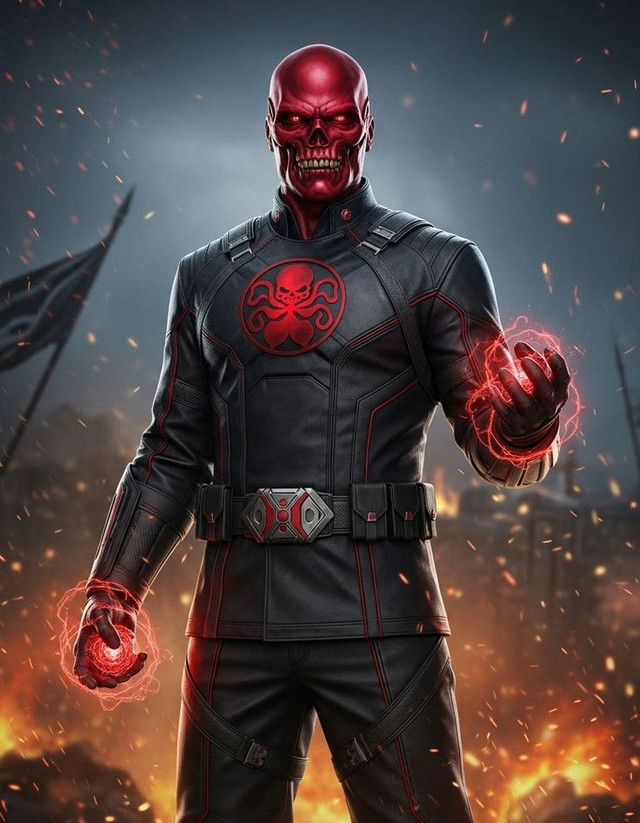
The reveal landed in a single panel at the end of Captain America: Steve Rogers #1 — two words, spoken by the most trusted man in comics, that broke the internet for a fortnight. What followed was Secret Empire: HYDRA taking the United States from the inside, with Captain America himself signing the orders.
It is worth pausing on how completely this inverts the usual comic-book villain problem. Marvel antagonists fail because they are outnumbered — one megalomaniac against a roster of thirty. Skull solved the arithmetic by refusing to be outside the roster. He did not build a bigger army. He took the one already assembled and moved its commander into his column, which meant every Avenger was, technically, working for him before a shot was fired.
Why the Trojan horse works better than any army
Look at what the plan actually exploits. Every failed Red Skull scheme has depended on force — armies, weapons, a Tesseract-powered doomsday plane. Force is exactly what the Avengers are built to defeat. What they are not built to defeat is procedure.
| Asset Steve Rogers has | How HYDRA uses it |
|---|---|
| Total trust from every hero alive | Access to plans, defences and locations no infiltrator could reach |
| Moral authority | Orders that are obeyed without being questioned |
| A public face people love | Fascism arrives wearing something the crowd already applauds |
| Command experience | The heroes are separated and deployed away from the target — by their own leader |
| The shield | The most recognisable symbol of protection becomes a symbol of the state |
That is the actual genius of the story, and it is why it endures despite being loathed by a large chunk of the readership at the time. Secret Empire is not a story about a villain becoming strong enough to win. It is a story about a villain realising the strongest weapon on the board was never the hammer or the cube. It was the man everyone agreed to follow.
Skull spent eighty years trying to out-punch Captain America. He won the moment he stopped trying to beat the shield and started trying to hold it.
It is also the only Marvel villain plan that gets stronger the longer it goes undetected. A bomb has a timer; an infiltrator has a shelf life. A rewritten history has neither — it simply accumulates, gathering credibility with every day nobody questions it. By the time the reveal lands, undoing it means unpicking years of decisions that everyone made in good faith. That is why the villains we rank highest tend to be the ones whose plans are already finished when the heroes arrive.
What an MCU version would actually need
Here is where speculation starts, so treat everything below as our reasoning rather than reporting. The MCU has three of the four ingredients already sitting on the table.
- A reality-warping object — the Tesseract housed the Space Stone, and the MCU has never explained what a Cosmic Cube is in its own terms, leaving the concept unclaimed
- A surviving HYDRA — Zola's algorithm, Strucker's science division and the Sokovia-era remnants were never fully accounted for
- A Steve Rogers who is narratively unaccounted for — the branch timeline problem we set out in our Endgame ripple piece
- The one missing piece: Red Skull himself, last seen as a wraith on Vormir with no established route home
That last gap is smaller than it looks. Vormir's keeper was released from his post the moment the Soul Stone changed hands, and the films have never said what became of him afterwards. In a saga whose entire premise is that people are turning up from universes they do not belong to — the confirmed logline of Avengers: Doomsday — a variant Schmidt with his body intact is one of the least exotic things that could walk through the door.
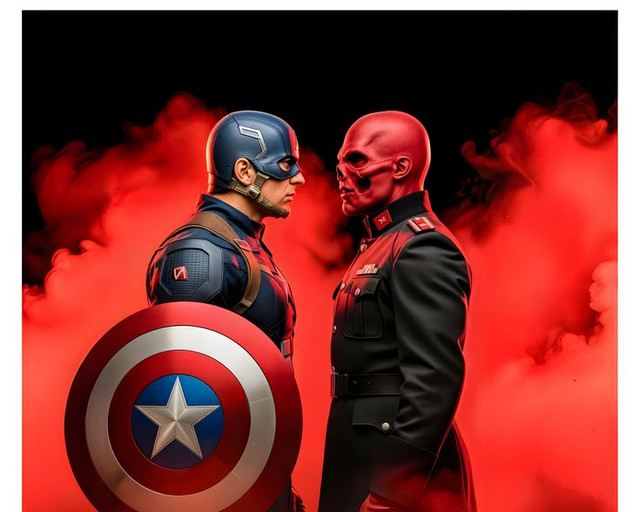
The version that does not need Red Skull at all
It is worth saying that the most likely MCU route to a HYDRA Captain America bypasses Schmidt entirely. Doctor Doom is a reality-editor by trade, the Hall H footage reportedly has him telling heroes they have lived stolen lives, and a villain who intends to rebuild the multiverse in his own image does not need a Cosmic Cube to rewrite one soldier's history.
But something is lost in that trade, and it is worth naming. Doom rewriting Steve is a demonstration of power. Red Skull rewriting Steve is personal — the final move in the longest grudge in the Marvel canon, executed by the one man who has spent a literal lifetime being told he is the lesser half of a matched pair. We ranked Skull well down our villain list precisely because the films have never let him be more than a bully in a good coat. This is the story that would fix that.
There is one more MCU-specific wrinkle worth flagging. Schmidt is the only character in the franchise who has spent decades doing nothing but thinking. Seventy years on Vormir with no body, no army and no distractions is, from a writing point of view, the perfect furnace for a plan that requires patience rather than force. Every other returning villain has to explain where they have been. His absence is the explanation — and it is the sort of quiet advantage the Hydra Cap conversation keeps overlooking in favour of louder candidates.
The bottom line
Secret Empire is a flawed, furiously argued-about story, and anybody proposing it as an MCU blueprint should be honest about that. It was published into a political moment that made a smiling fascist Captain America read as provocation rather than allegory, Marvel spent a year insisting the ending would justify it, and a good portion of the audience never came back. Adapting it would be the single riskiest decision the studio has ever taken.
And yet. Strip away the marketing misfire and what remains is the only Red Skull plan in eighty-five years that actually worked, built on the sharpest observation any Marvel villain has ever made: that a symbol is a weapon lying on the ground, and it belongs to whoever picks it up. Schmidt did not need to be stronger than Steve Rogers. He just needed the world to keep saluting while somebody else wore the face.
Frequently asked
What is Secret Empire in Marvel comics?
How did Red Skull turn Captain America into a HYDRA agent?
Is Red Skull returning to the MCU?
What is a Cosmic Cube in Marvel?
Could the MCU adapt Secret Empire?
Characters in this story
Red Skull
Johann Shmidt
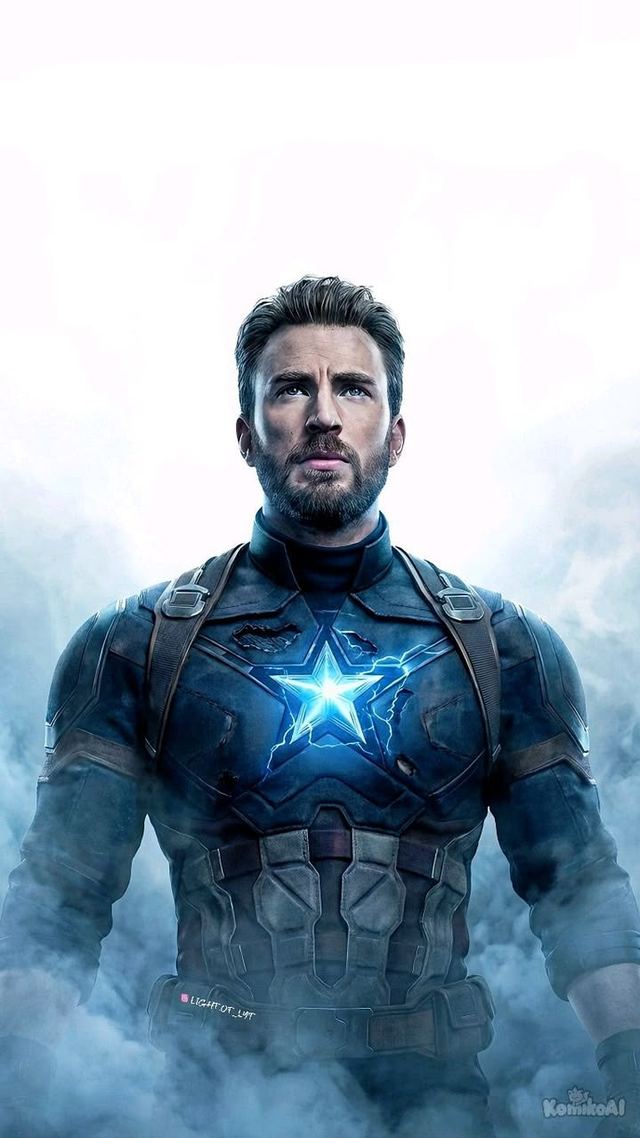
Captain America
Steven Grant Rogers

Arnim Zola
Arnim Zola

Madame Hydra
Ophelia Sarkissian

Baron Strucker
Wolfgang von Strucker
Catching up on the MCU? See where this fits on our full timeline.
Read next
The Cruellest Reading of Endgame: Steve Rogers Got His Dance — and Left Another Version of Himself in the Ice for HYDRA
Steve stayed for the dance. But in the branch he left behind, a frozen soldier still waits under the ice — and in…

The Hydra Cap Rumour Has Split The Fandom: Why Secret Empire Keeps Getting Attached To Doomsday
Credibility read: NO EVIDENCE, LOUD ARGUMENT. Chris Evans is confirmed for Doomsday. His role is not. Here is why…
The 15 Best MCU Villains, Ranked By How Badly They Broke Our Heroes
A great villain is not a great fight — it is a great argument the hero cannot answer. Fifteen MCU antagonists…