Accidental Villain: The Theory That Makes Spider-Man Public Enemy No. 1
Peter never turns. He just leaves a door open and something enormous walks through it. Inside the fan theory that makes Spider-Man the man his own side hunts.
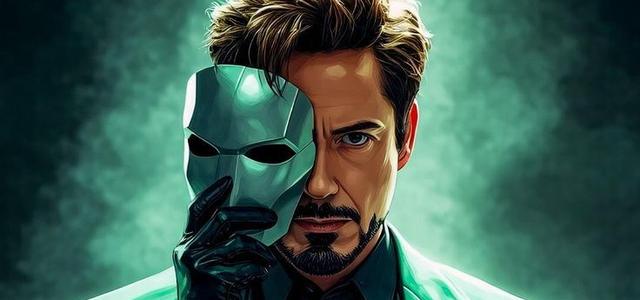
The Spider-Man accidental villain theory begins from a premise that is oddly generous to Peter Parker: he never chooses any of it. He does not turn, he is not corrupted, no black goo crawls up his leg in the third act. He does something reckless and human, the universe charges him at a rate no person could ever pay, and the people who arrive to collect are wearing costumes he grew up admiring.
The raw material for it is already on screen. The spell at the end of No Way Home is established, inside the film itself, as the breach that pulled other universes into this one, and Doctor Strange is already on record about what that kind of tear costs. Add Brand New Day's unexplained “invisible” villain and you get the version fans have been assembling all year: Peter as the proximate cause of a catastrophe, facing an Avengers roster that responds to causes rather than intentions.
Two things before we go any further. This is fan theory with nothing behind it — no studio has said any of this, no trade has reported it, and Spider-Man's role in Avengers: Doomsday is unconfirmed. What follows is an argument about storytelling, not a scoop, and we are going to take the theory apart at least as hard as we build it up.
The Spider-Man Accidental Villain Theory, Stated Plainly
Strip out the flourishes and the whole thing runs in four steps.
- Peter's interference with space-time is already canon. He asked for a memory spell. What he got — in Strange's own description — was a corrupted one that dragged in visitors from universes that were never meant to touch this one.
- Something in the next chapter makes it worse. Brand New Day's official synopsis references an unspecified “invisible” villain, and the theory assumes Peter's fingerprints end up on whatever that turns out to be — not because he wanted them there, but because he is the person who left the door open.
- The consequence outgrows the man. A city, a timeline, an incursion, pick your scale. The only requirement is that it be too large for “I was trying to help” to function as an answer.
- The Avengers come for the cause, not the culprit. In a universe that has already watched a boundary erode, prevention beats fairness. Peter becomes public enemy number one without ever doing a single villainous thing.
That fourth step is the load-bearing one, and it is why the Spider-Man accidental villain theory keeps getting reposted rather than laughed off. It does not need Peter to be bad. It only needs everybody else to be reasonable.
What Is Actually On Screen: A Corrupted Spell And A Sorcerer On Record
It is worth being precise here, because the loose version of this theory gets the mechanics wrong. Strange did not open a door and let Peter's enemies in. He began a spell to make the world forget that Peter Parker is Spider-Man, Peter kept amending the terms mid-incantation, and the thing destabilised. What arrived were people from other universes who already knew the secret: Norman Osborn, Otto Octavius, Max Dillon, Flint Marko, Curt Connors, and eventually two other Peters. The ending of No Way Home is unusually explicit about this. Strange says the spell was corrupted. He does not say it was harmless.
So the first plank of the theory is not speculation at all. Peter is, in plain narrative terms, a co-author of a multiversal breach. The speculative leap is everything that comes after: that the breach has a bill still outstanding, and that somebody eventually presents it to him.
Strange has already described what this damage looks like
Multiverse of Madness spent its running time defining incursions — what happens when the boundary between two universes erodes — and then showed us the consequence at its most brutal. On Earth-838, the Illuminati executed their own Stephen Strange for causing one. Not imprisoned. Executed, by his peers, for a mistake made while trying to save everybody.
That is the precedent the theory leans on hardest, and it is not fan invention. It is a scene. A universe's most powerful heroes concluded that intent was irrelevant next to consequence, and acted accordingly. If you want a template for how the three distinct universes logline could turn ugly for the person who cracked the wall, the film already drew it.
And Peter has no institutional cover left
The cruel structural detail is that Peter is now the least defensible person in the MCU. Nobody remembers him. There is no employer to vouch for him, no team file, no Tony Stark to make a phone call, no May Parker to sit in a hearing. If a version of this ever happened, there is literally nobody alive who could stand up and say they know the man behind the mask is not the sort of person who does this. That is a horrifying position to argue from, and it is canon rather than theory.
Why An Accidental Villain Is A Better Story Than A Corrupted One
Corruption breaks the only thing the character is for
Every few years somebody floats a dark Spider-Man — symbiote, mind control, a variant with the wrong upbringing. The problem is that corruption is a costume. You resolve it by removing the corruption, and the character you get back at the end is identical to the one you started with. Nothing is learned because nothing was chosen.
Peter's engine has always been the gap between what he intends and what happens anyway. Ben dies because Peter let a thief walk past. The whole character is an argument about consequence outrunning intention, which is why an accident is the only kind of villainy that actually fits him.
Corruption is a plot you can wash off. An accident is a fact you have to live beside for the rest of your life.
It swaps the boss fight for a trial
A corrupted Peter gives you an action sequence — hold him down, get the thing off him, everyone hugs. An accidental one gives you a much harder question: what do we owe somebody who did everything right and caused everything wrong? That is a scene between people, not a set piece, and the MCU is short of those.
It also hands you the rarest thing in a manhunt story, which is a fugitive who agrees with his pursuers. Peter would not be protesting his innocence. He would be running while privately conceding that they have a point. The canon events framing on the animated side has already proven how much mileage there is in a Spider-Man who is trapped by structure rather than by a villain.
The Reality Check On The Spider-Man Accidental Villain Theory
Here is the part most versions of this theory circulating right now leave out. The distance between what has been established and what is being guessed is enormous, and the guessing is doing all the work.
| Claim | Status |
|---|---|
| The No Way Home spell was corrupted and pulled in other universes | Canon — established on screen in the film |
| Doctor Strange has warned about the cost of multiversal damage | Canon — No Way Home and Multiverse of Madness |
| Spider-Man: Brand New Day opens 31 July 2026, dir. Destin Daniel Cretton | Confirmed |
| The synopsis references an unspecified “invisible” villain | Confirmed wording — the villain is unnamed |
| That villain is connected to the spell or the breach | Speculation — no source |
| Peter is blamed for a catastrophe in a future film | Fan theory — nothing behind it |
| The Avengers hunt Spider-Man | Fan theory — no studio has said any of this |
| Spider-Man's role in Avengers: Doomsday (18 Dec 2026) | Unconfirmed — Marvel has not described it |
That matters more than usual this week. Brand New Day lands on 31 July 2026 and the volume of confident-sounding nonsense around a Spider-Man release is reliably at its highest in the seven days before it opens.
Where The Theory Falls Apart
The MCU forgives world-breaking mistakes almost every single time
This is the strongest objection to the Spider-Man accidental villain theory and it is not close. The franchise has an eighteen-year record of exactly this scenario, and it almost never ends in a manhunt.
- Wanda Maximoff held an entire New Jersey town hostage inside her own grief. The response was a nine-episode series asking us to understand her, and she walked out of Westview unpursued. The turn only came in Multiverse of Madness, once she picked up the Darkhold and chose it.
- Tony Stark and Bruce Banner built Ultron in a lab and Sokovia came apart. Both stayed Avengers. The consequence was a treaty, not a warrant.
- Thor reopened a war with Jotunheim out of pure vanity in his first film and the franchise spent the next decade treating him as its moral centre.
- Star-Lord's punch on Titan arguably cost the universe five years, and nobody on that team so much as filed a complaint.
The pattern is consistent: this universe hunts people for what they choose, not for what they cause. The theory needs the Avengers to abandon precisely that distinction, and it needs them to abandon it for the youngest, most obviously well-meaning person in the room.
Civil War already spent this beat — and so did Far From Home
“Hero hunted by his own side” is not an untapped seam. Civil War built an entire film on it in 2016, complete with the Accords, a manhunt, and an underwater prison. That was Peter's debut. Running it again as a climax is a rerun, not an escalation.
Worse, Spider-Man has personally already done public enemy number one. Mysterio's doctored footage and J. Jonah Jameson's broadcast made Peter a wanted murderer for the entire first act of No Way Home, and the spell exists in the script specifically as the escape hatch from it. Building the same cage one film later, having just spent a whole movie unlocking it, would be the trilogy treading water. What we actually know about Brand New Day points somewhere smaller and meaner than that.
And Doomsday has no room for it
Whatever else Avengers: Doomsday is, it is crowded. Roughly thirty confirmed cast names, heroes drawn from three distinct universes, and Robert Downey Jr. playing Doctor Doom rather than Tony Stark. A film balancing that has no space for a subplot in which the team stops to prosecute one of its own. The first trailer did not suggest one either, and Spider-Man's involvement remains unconfirmed regardless.
What Brand New Day Could Realistically Do With It
There is a smaller, more plausible version of the Spider-Man accidental villain idea, and the cast list points straight at it. Jon Bernthal's Punisher, Mark Ruffalo's Hulk and Michael Mando finally cashing the Mac Gargan cheque Homecoming wrote in 2017 is not the roster of a multiversal tribunal. It is the roster of a street-level film about consequences that fit inside one city.
In that register the theory works beautifully without any of its silliness. Peter does not get hunted by the Avengers; he gets held responsible by people whose opinion he cannot dismiss. A Punisher who considers the mask itself a form of complicity is a far more uncomfortable accuser than a helicarrier.
The invisible villain is the obvious pressure point
The one confirmed hook is the synopsis wording, and the invisible villain theories have run in every direction since. An enemy nobody can see is a neat structural rhyme for a hero nobody can remember, which is exactly the sort of thing this creative team would enjoy. It is also, at present, one adjective in a marketing document.
And a note on the casting rumours attached to all of this: Sadie Sink's and Tramell Tillman's roles are officially unannounced. Every identification circulating for either of them is rumour, including the ones being folded into accidental-villain versions of the theory.
The Honest Verdict
As criticism, the Spider-Man accidental villain theory is genuinely good. It identifies the real fault line in the character, it uses a canon plot point rather than inventing one, and it proposes a version of Peter that would be more interesting than any dark-suit rehash. As forecasting, it is weak. It contradicts how this franchise handles blame, it repeats two beats the series has already played, and it needs a role in Doomsday that nobody has confirmed exists.
The likeliest outcome is the boring middle: Peter carries the weight of the breach privately, somebody in Brand New Day says something unforgivable and correct about it, and no manhunt is ever declared. That is not a headline. It is just what the films have consistently done, which is the most reliable predictor anybody has.
Frequently asked
What is the Spider-Man accidental villain theory?
Did Spider-Man cause the multiverse breach in No Way Home?
Is Spider-Man in Avengers: Doomsday?
Do the Avengers hunt Spider-Man in Spider-Man: Brand New Day?
Would an accidental villain be better than an evil Spider-Man?
Has Marvel confirmed any of this?
Characters in this story
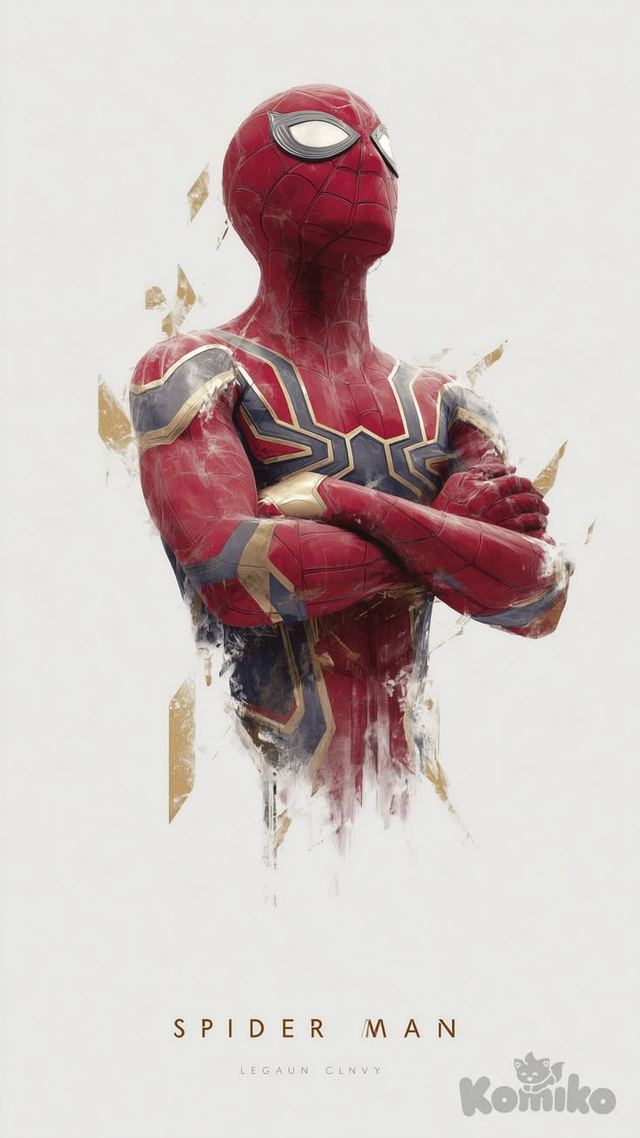
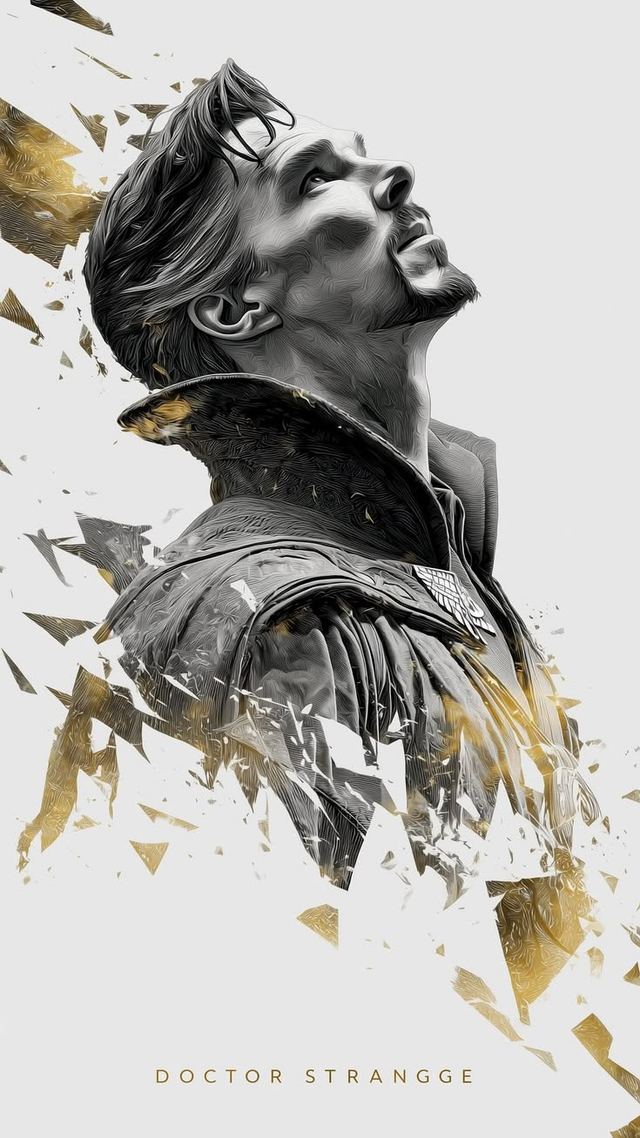
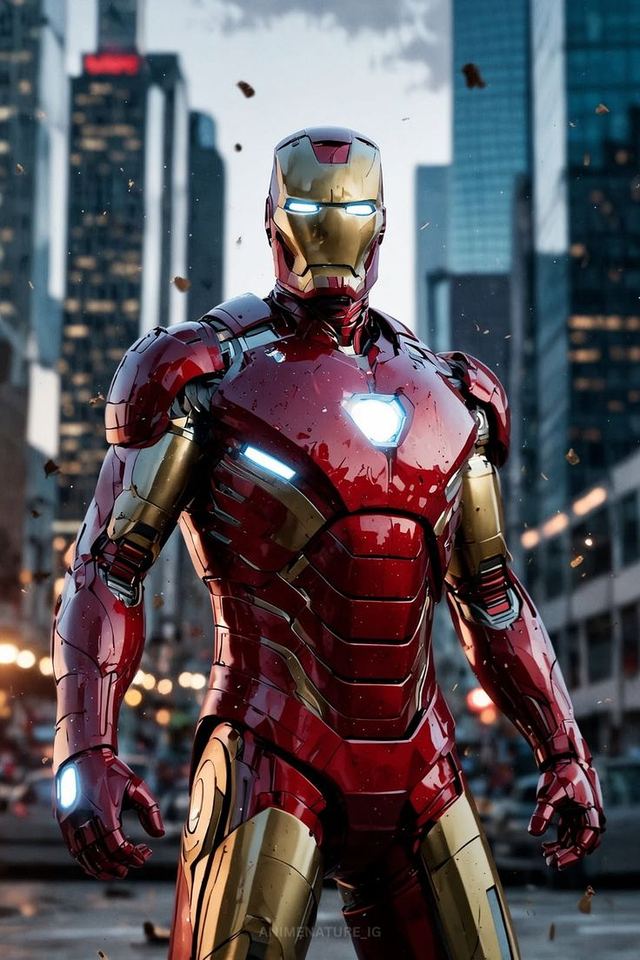
Catching up on the MCU? See where this fits on our full timeline.
Read next
Spider-Man vs Earth's Mightiest: The Temporal Collapse Manhunt Theory
A timeline coming apart, a trace that ends at Peter Parker, and a team with no good options. The theory is…
The Catalyst For War: When Do The Avengers Start Seeing Peter As A Threat?
There is a test buried in the MCU for the moment allies stop calling you a hero. We built it out, ran Peter Parker…
Did Peter Leave A Trail? The MJ Phantom-Memory Theory, Examined
Strange's spell erased Peter from MJ's memory, but not the scar, the MIT place or the broken necklace. We test the…