Thunderbolts* Review — The Best Marvel Film In Years, And Nobody Came
A superhero film about depression that actually commits to it. Thunderbolts* is Phase 5's high point, Florence Pugh's best MCU work, and a commercial failure.
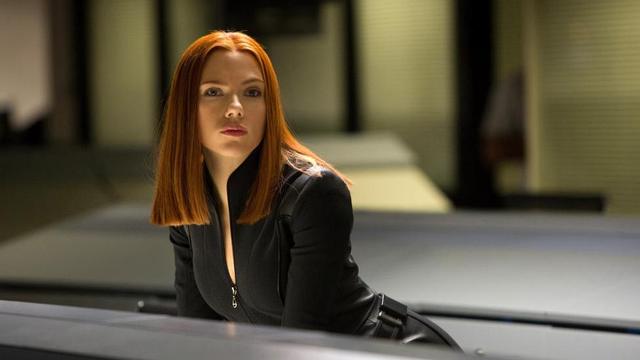
Thunderbolts* opens with Florence Pugh stepping off a building. Not falling, not fighting — stepping, deliberately, with the flat affect of someone who has done it before and knows the parachute works. It is the most arresting opening Marvel has shot in a decade and it tells you precisely what film you are in. Ten months and one very confusing marketing campaign later, it took $382.4 million worldwide against a $180 million budget, which after prints and advertising means it lost money. It is also the best thing Marvel released in Phase 5 by a comfortable distance.
The Verdict
What Jake Schreier Actually Made
The remarkable thing about Thunderbolts* is how little it behaves like a Marvel film. The action is sparse, ugly and short. There is no third-act sky beam. The climax is resolved through a conversation in a shared psychological space, which on paper sounds insufferable and on screen is the most affecting sequence the franchise has produced since Endgame.
The film's subject is depression, stated plainly and without metaphorical cowardice. Yelena is not sad because of a plot event. She is depressed, chronically, in a way the film treats as a condition rather than a wound to be healed by punching. And Bob — Lewis Pullman, giving the most sympathetic performance in the franchise — is not a villain who happens to be mentally ill. His illness is the antagonist, externalised as the Void, and the film refuses to let anyone defeat it.
The climax of a Marvel blockbuster is a group of damaged people standing in a dark room telling a man that they can see him. It should not work. It works.
The Cast, Ranked By How Well The Script Serves Them
- Yelena Belova — Pugh is extraordinary, and the film is smart enough to build everything around her interiority rather than her skill set. A career-best MCU performance.
- Bob Reynolds — Pullman plays a man apologising for existing, and the shift when the Void takes over is done almost entirely with posture. Remarkable work.
- Alexei Shostakov — David Harbour has the hardest job, providing comic relief in a film about suicidal ideation without puncturing it, and he lands it. The limousine scenes are the film's warmest.
- Bucky Barnes — Sebastian Stan gets the least showy material and quietly anchors the whole thing. The one character with lived experience of recovery, used sparingly and correctly.
- Valentina Allegra de Fontaine — Julia Louis-Dreyfus is having a wonderful time and the script keeps her motivations slightly too vague to land as more than a delivery mechanism.
- John Walker — Wyatt Russell continues to be the MCU's most interesting minor tragedy and the film gives him about four minutes of it.
- Ghost and Taskmaster — badly short-changed. One is reduced to a power set, the other to a structural decision that a large section of the audience found indefensible. This is the film's clearest failure.
Where It Compromises
Two things stop this being a nine. The first is the supporting bench, above — a film this interested in interiority should not have two team members functioning as equipment. Hannah John-Kamen's Ghost was set up years earlier with a genuinely tragic condition and is given nothing to do with it.
The second is the ending. Without spoiling the specifics, the final sequence performs a rebrand that recontextualises the team for franchise purposes, and it is played for a laugh immediately after the film's most emotionally serious scene. It is a commercial necessity — the studio needs these characters positioned for Avengers: Doomsday in December — and you can feel the seam. A braver cut ends ninety seconds earlier.
| Element | Assessment | Score |
|---|---|---|
| Florence Pugh | Best MCU lead performance since Downey. Not a close call. | 10/10 |
| Tone and theme | Commits fully to a subject blockbusters usually gesture at | 9/10 |
| Action choreography | Deliberately grubby and low-tech. Effective, if slight. | 7/10 |
| Supporting roster | Half the team is furniture | 5/10 |
| Villain concept | The Void as externalised depression is the franchise's smartest antagonist design | 9/10 |
| Ending | Emotionally correct, then commercially overwritten | 6/10 |
The Commercial Story Is The Real Story
Thunderbolts* scored 88% with critics — the best of Phase 5 — and still lost money. That is the single most important data point about Marvel's position in 2025, more so than the 47% that Brave New World earned three months earlier. A bad Marvel film underperforming is a quality problem, and quality problems are fixable. A good Marvel film underperforming is an attention problem, and those are not.
- $382.4M worldwide, $190.3M domestic, on a $180M budget. Studio films generally need roughly 2.5x budget to break even after marketing.
- The asterisk marketing was clever and confusing in roughly equal measure, and the payoff only lands after you have bought a ticket.
- It opened between two better-known properties and had no pre-existing audience for six of its seven leads.
- First Steps outgrossed it two months later with a similar critical score and a recognisable brand, which is the whole lesson.
Watch It
If you gave up on Marvel somewhere around 2023 — and a great many people did — this is the film to come back for. It is small, sad, funny, and about something. It does not require homework, though Black Widow adds meaningfully to the family material. Our full roster breakdown is in the Thunderbolts guide, and we compare it against the rest of the 2025 slate in our Brave New World review.
The cast is confirmed for Doomsday on 18 December 2026. What they do there is unannounced, and every claim you have seen about it is unconfirmed.
Frequently asked
Is Thunderbolts* suitable for younger viewers?
Do I need to watch Black Widow first?
Why did Thunderbolts* lose money with such good reviews?
Who is the Sentry and why is he so powerful?
Characters in this story
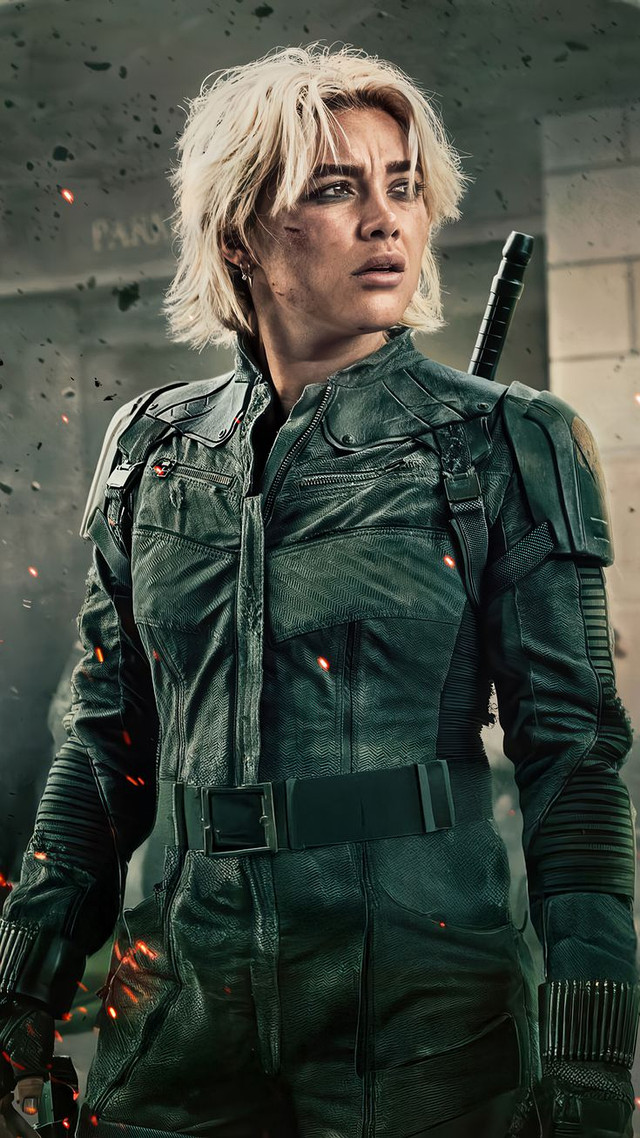
Yelena Belova
Yelena Belova

Sentry
Robert "Bob" Reynolds
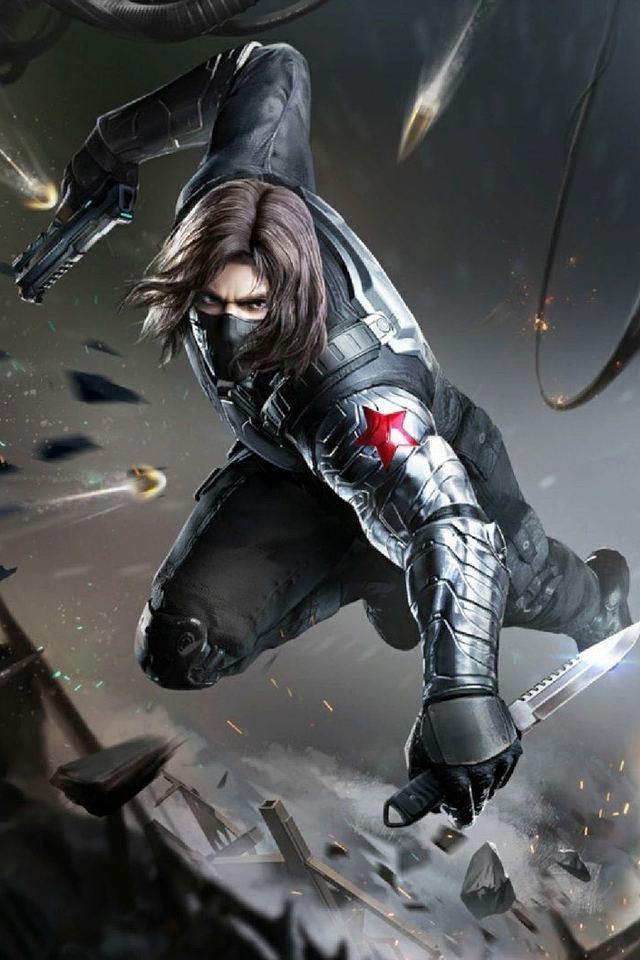
Winter Soldier
James Buchanan Barnes

Red Guardian
Alexei Shostakov
Catching up on the MCU? See where this fits on our full timeline.
Read next
The Thunderbolts Roster Explained: Who Each Of Them Is And Why They Are There
Marvel's team of failures, assassins and one very dangerous man in a yellow cape. A complete breakdown of every…
The Fantastic Four: First Steps Review — Marvel's First Family Finally Get A Film Worth Having
Gorgeous, warm, and structurally undercooked. Marvel's fourth attempt at the Fantastic Four is by far its best…
Captain America: Brave New World Review — A Conspiracy Thriller With No Conspiracy
Anthony Mackie is genuinely good in a film that has no idea what it is about. An honest post-mortem on the 47% that…