The Thunderbolts Roster Explained: Who Each Of Them Is And Why They Are There
Marvel's team of failures, assassins and one very dangerous man in a yellow cape. A complete breakdown of every Thunderbolt and what they bring to Doomsday.
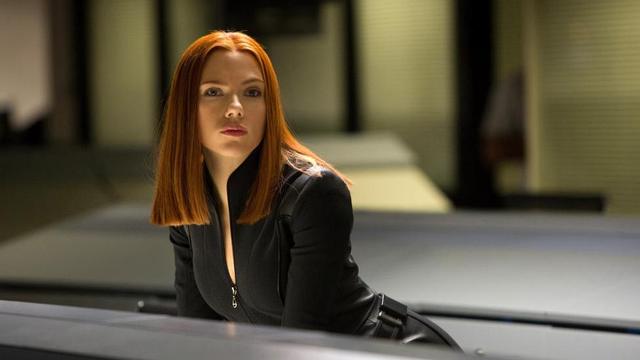
Thunderbolts* was the best-reviewed Marvel film of Phase 5 and still lost money, which is a sentence that tells you most of what you need to know about where the franchise sat in 2025. It also assembled a team that Marvel has confirmed will appear, in some capacity, in Avengers: Doomsday this December. If you skipped the film or watched it once and lost track of who was who, this is your reference sheet.
The Concept, First
In the comics, the Thunderbolts began in 1997 as one of the great twists in superhero publishing: a new team of heroes arrives to fill the gap left by the Avengers, and the final page of the first issue reveals every one of them is a supervillain in disguise. The team has been reinvented roughly a dozen times since, but the DNA never changes — these are people with bad records being pointed at problems that respectable heroes will not touch.
The name comes from the original 1997 cover story, and it stuck because it describes the pitch perfectly: a thunderbolt is something that arrives without warning and cannot be recalled. Every subsequent version of the team has been assembled by an authority figure who believes they can be aimed — Baron Zemo, Norman Osborn, Hawkeye, and on screen Valentina Allegra de Fontaine — and every version has ended with that authority figure discovering they could not. That pattern is the closest thing the concept has to a thesis.
The film version keeps the disreputability and drops the disguise. What it builds instead is a story about depression, isolation and the specific loneliness of people who were made into weapons young. That focus is why the reviews were as strong as they were, and we go into it properly in our review.
The Roster, One By One
| Character | Background | Function on the team |
|---|---|---|
| Yelena Belova | Widow programme graduate, Natasha Romanoff's sister | The lead. The film is her story about not wanting to be alive very much and finding a reason to be. |
| Bucky Barnes | Ninety years of being someone else's weapon | The adult in the room, and the only one with real experience of recovery. |
| Red Guardian | Soviet super-soldier, long past his prime | Comic relief with a real edge — a father figure who is trying too hard and knows it. |
| John Walker / U.S. Agent | The government's failed replacement Captain America | Wounded pride weaponised. The team member most likely to make things worse. |
| Ghost | Quantum-phasing operative in permanent physical pain | Firepower with a grudge and very little patience. |
| Taskmaster | Photographic reflexes, mercenary for hire | A blunt structural choice by the film that fans argued about for months. |
| Bob / The Sentry | A man with the power of a million exploding suns and untreated mental illness | The threat and the point. His shadow-self, the Void, is the film's actual antagonist. |
Yelena carries the film, and Florence Pugh's performance is the reason it works. Bucky Barnes functions as the team's spine, Alexei as its bruised heart, and John Walker as the ongoing argument about what happens when institutions build a replacement hero and then abandon him. Ghost and Taskmaster get the least material, which is the fairest criticism of the script.
The Thunderbolts are not antiheroes because it is fashionable. They are antiheroes because every one of them was made into a tool by somebody older and better funded.
Sentry: The One You Need To Understand
The Sentry is the piece newcomers miss, so here it is plainly. Robert Reynolds is a man with functionally limitless power — flight, strength, energy projection, all at a scale beyond anything else on the board. He also has a second self called the Void, which manifests when he loses control and is every bit as powerful as he is. In the comics he is Marvel's most tragic experiment: a Superman-tier hero whose real story is about untreated illness, and whose presence destabilises every team he joins.
How They Fit Into What Comes Next
- Confirmed: the Thunderbolts cast is part of the roughly thirty-name ensemble announced for Avengers: Doomsday on 18 December 2026.
- Confirmed: the film's closing beats reposition the team publicly, which the marketing leaned into heavily and which the asterisk in the title was always pointing at.
- Unconfirmed: every specific claim about which of them survives Doomsday, who leads the group afterwards, and whether the team continues as a franchise. Marvel has not commented.
- Worth noting: Thunderbolts* took $382.4 million worldwide on a $180 million budget, which after marketing means it did not turn a profit. Strong reviews do not automatically buy a sequel.
Where To Start With The Comics
- Thunderbolts #1 (1997) by Kurt Busiek and Mark Bagley. Read it cold, do not look up the twist, and enjoy one of the best final pages in superhero comics.
- Thunderbolts by Warren Ellis (2007–2008). The nastiest version of the concept — the team run as a government asset by a man who should not be trusted with it.
- The Sentry (2000) by Paul Jenkins and Jae Lee. The original miniseries, and still the clearest statement of what the character is for.
- Winter Soldier by Ed Brubaker. Not a Thunderbolts book, but the definitive text on Bucky and the best explanation of why he behaves the way he does on this team.
If you are building a broader Marvel reading list, several of these sit alongside the arcs in our essential storylines guide. And if you want to understand the man the whole slate is now pointed at, start with the Doctor Doom beginner's guide.
Frequently asked
Do I need to watch Black Widow and The Falcon and the Winter Soldier first?
What does the asterisk in Thunderbolts* mean?
Is the Sentry stronger than the Hulk?
Will there be a Thunderbolts 2?
Characters in this story
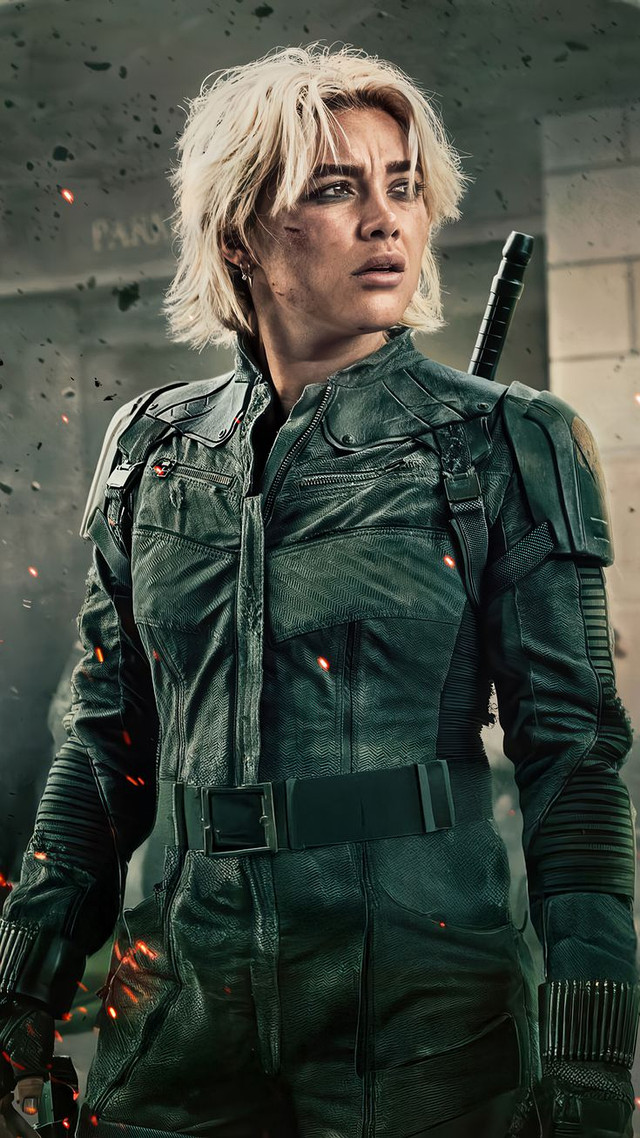
Yelena Belova
Yelena Belova
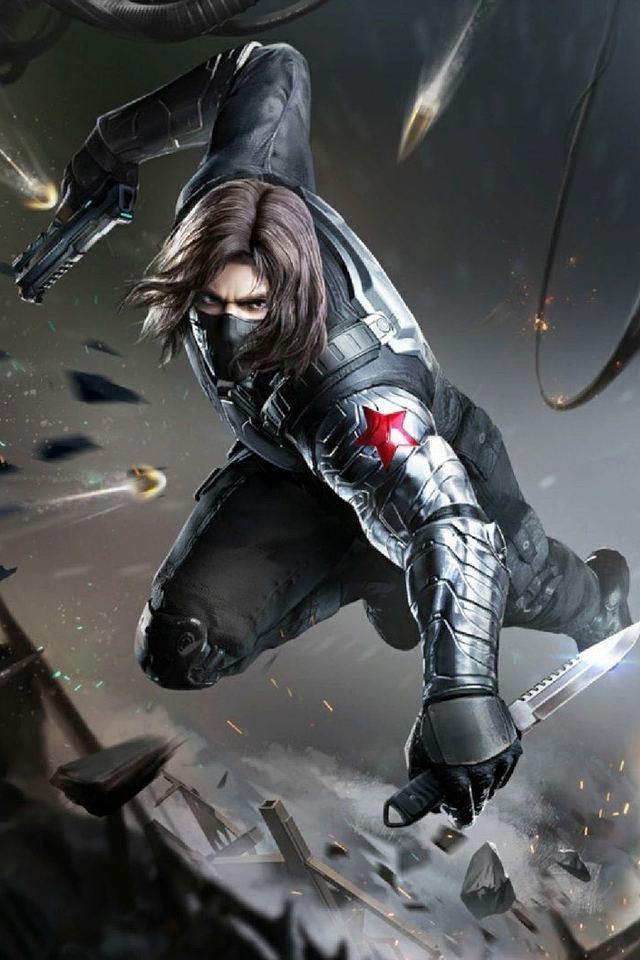
Winter Soldier
James Buchanan Barnes

Red Guardian
Alexei Shostakov

U.S. Agent
John F. Walker

Ghost
Ava Starr in the MCU; unrevealed in the comics
Catching up on the MCU? See where this fits on our full timeline.
Read next
Thunderbolts* Review — The Best Marvel Film In Years, And Nobody Came
A superhero film about depression that actually commits to it. Thunderbolts* is Phase 5's high point, Florence…
Doctor Doom: The Complete Beginner's Guide Before Avengers: Doomsday
Marvel is handing its whole franchise to a man in an iron mask this December. Here is everything a newcomer needs…
What Makes Kingpin Work Where Every Other Crime Boss Fails
Superhero fiction is littered with forgettable mob bosses. Wilson Fisk is not one of them. A close look at the…