Deadpool & Wolverine Review — A Billion-Dollar Eulogy For A Studio That No Longer Exists
Very funny, genuinely moving, and built almost entirely from corporate history. A reassessment of the film that made $1.3 billion out of intellectual property law.

Deadpool & Wolverine made $1.338 billion on a $200 million budget, became the highest-grossing R-rated film ever made, and single-handedly rescued Marvel's 2024. Two years on, with the nostalgia rush metabolised, the question is what is actually there. The answer is more than the sceptics allowed and less than the box office suggests — a very funny film with two genuinely good performances, built on a foundation of corporate history that will mean progressively less to every audience that watches it from here.
The Verdict
The Two Performances
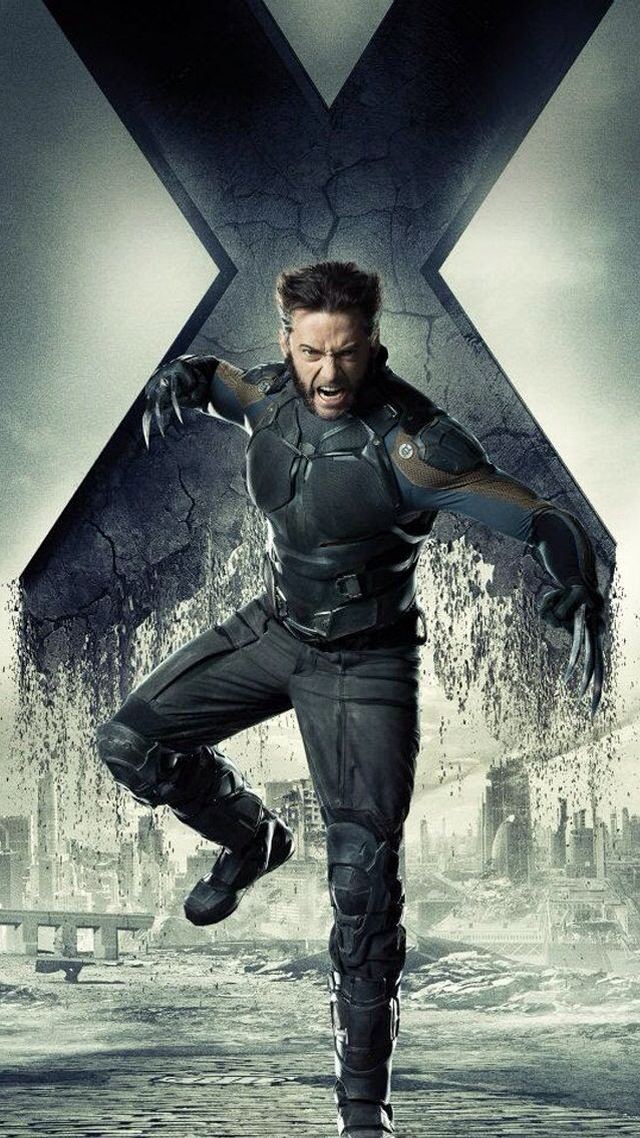
Jackman is the reason this works. He came back after Logan gave the character a perfect ending, which should have been a mistake, and the film's solution is elegant: this is a different Logan, from a universe where he failed, drinking through the aftermath of something the film reveals slowly and cruelly. Jackman plays him as a man in permanent hangover, ashamed rather than gruff, and the difference between that and the version he played for seventeen years is legible in every scene. It is the best acting he has done in the role.
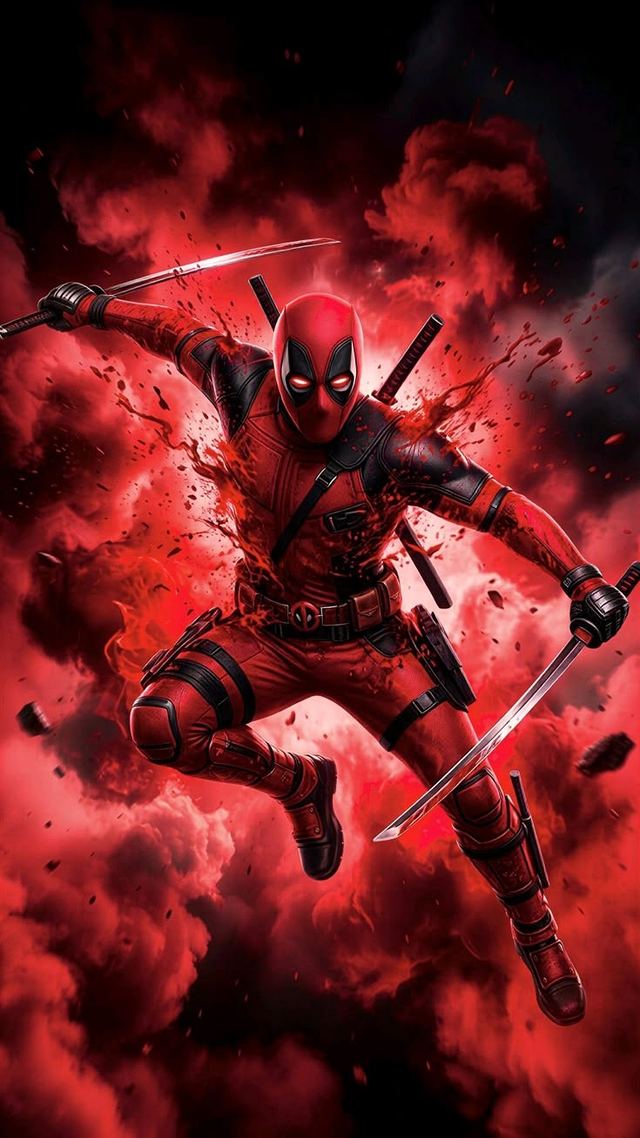
Reynolds does what he does, at volume, and the character's fourth-wall commentary has a genuine target for the first time — the film is explicitly about a man discovering his universe is being deleted for corporate reasons and objecting to it. That is a real premise dressed as a joke, and the sincerity underneath Wade's relationship with his friends is played completely straight.
It is a film about intellectual property that somehow makes you cry, which is a technical achievement nobody asked for and everyone got.
Cassandra Nova, And The Film's Best Decision
Emma Corrin's Cassandra Nova is the genuine find. A deep-cut comics villain — Charles Xavier's twin, telepathically monstrous, played with a serene physical stillness that makes every scene she is in tilt sideways — she is a real antagonist in a film that could easily have made do with a cameo generator. The choice to build her from a 2001 Grant Morrison creation rather than a marquee villain is the most confident thing the movie does.
Her weakness is the same as the film's: her plan is a Void-adjacent MacGuffin arrangement that exists to generate a third act, and the moment she stops being a presence and starts being an objective, she thins out considerably.
The Nostalgia Problem, Assessed Honestly
| What the film uses it for | Does it earn it? |
|---|---|
| Wesley Snipes returning as Blade after 26 years | Yes. The single best cameo, played for genuine reverence rather than a punchline. |
| Dafne Keen's Laura, continuing X-23 from Logan | Yes. The one cameo with an emotional function rather than a recognition function. |
| The Void as a scrapyard of abandoned Fox properties | Partly. Visually inspired, narratively an excuse to place several actors in the same shot. |
| Extended jokes about acquisitions, contracts and studio ownership | No. Funny in 2024, increasingly inert, and entirely dependent on industry literacy. |
| The TVA as connective tissue to Loki | Barely. It functions as plumbing and adds nothing thematically. |
This is the film's ceiling. A movie whose emotional climax depends on the audience feeling something about twenty years of Fox's X-Men output is a movie with a built-in expiry date. Watch it with someone who has not seen those films and roughly a third of it plays as noise. Compare that to Logan, which needs no context whatsoever, or to the comics material it draws on, which has survived fifty years without a single reference to a merger.
Where It Actually Succeeds
- The action is legitimately good. Shawn Levy shoots the fights with clarity, and the opening sequence set to a pop track is one of the best-choreographed things in the franchise.
- The R rating is used for texture rather than shock. The violence has weight because it has consequences for people who cannot heal.
- Wade's friends — Blind Al, Peter, Colossus — provide a sincere emotional baseline the film never mocks.
- It runs 128 minutes and does not sag, which is more than most recent Marvel films can claim.
- The two leads have chemistry that no amount of writing could manufacture, and the film wisely just points a camera at it.
What It Meant, And What It Did Not
Commercially it was the biggest Marvel event since Endgame, and the studio drew a lesson from it — that audiences would turn out for legacy — that the following year comprehensively disproved. Brave New World leaned on returning characters and scored 47%. Thunderbolts* leaned on nothing, scored 88%, and lost money. The Deadpool result was not a template; it was Hugh Jackman.
As a send-off for the Fox era it is genuinely well judged — respectful, funny, and clear-eyed about the fact that a twenty-year run of wildly inconsistent films still meant something to people. The MCU's own The X-Men arrives 15 December 2028 under Jake Schreier with no cast announced, which we cover in our newcomer's guide. Several Fox-era veterans are confirmed for Avengers: Doomsday this December; what they are doing has not been announced.
The Bottom Line
A better film than it needed to be and a slighter one than its gross implies. Watch it for Jackman, stay for Corrin, and accept that the jokes about studio acquisitions are a time capsule rather than a text.
Frequently asked
Do I need to watch the earlier Deadpool films first?
Does Deadpool & Wolverine undo the ending of Logan?
Was Deadpool & Wolverine a box office success?
Will there be a Deadpool 4?
Characters in this story

Catching up on the MCU? See where this fits on our full timeline.
Read next
Wolverine's Fractured Origin: Weapon X, Origin, And The Man In Between
For twenty-seven years nobody knew where Wolverine came from — including Wolverine. Here is how Marvel built, hid…
A Newcomer's Guide To The X-Men: Everything You Actually Need To Know
Sixty years, four hundred characters, three timelines and one very long argument about civil rights. Here is the…
Thunderbolts* Review — The Best Marvel Film In Years, And Nobody Came
A superhero film about depression that actually commits to it. Thunderbolts* is Phase 5's high point, Florence…