Hydra's Secret Files on Latveria: The Clue We Missed in 2014
Not a real easter egg: a rewatch game imagining what Hydra's files might have said about Latveria, plus the confirmed reason Winter Soldier matters again.
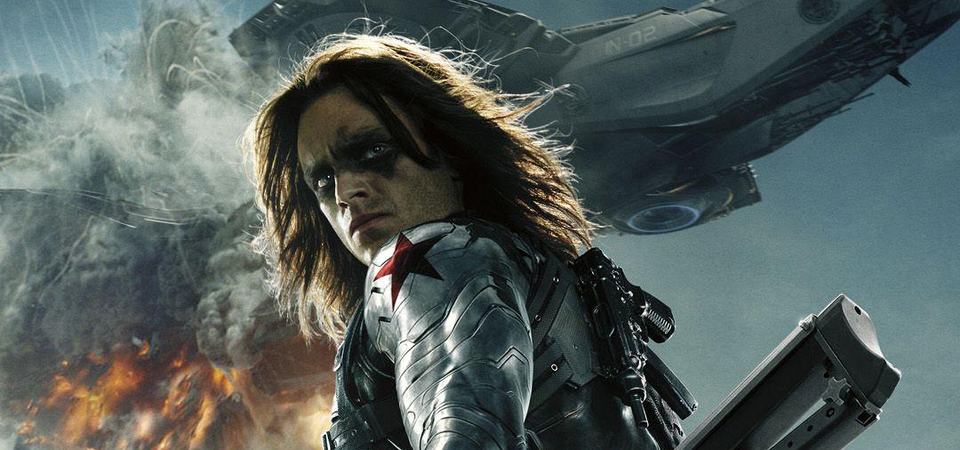
Captain America: The Winter Soldier turns twelve this year, and thanks to Avengers: Doomsday it is suddenly essential rewatch material again. Sebastian Stan, one of the roughly thirty confirmed names attached to Doomsday, is coming back as Bucky Barnes, which is reason enough on its own. But there is a second, stranger reason fans have started passing around online: a rewatch game built on Hydra's Winter Soldier files, imagining what a Latveria dossier might have looked like inside the scene where Arnim Zola lays out seventy years of secret surveillance.
Let's be straight about this up front, because the whole point of the game only works if we are honest about it. Latveria is not named in Captain America: The Winter Soldier. Victor von Doom does not appear, is not referenced, and has never been mentioned in any Marvel Studios film before his casting as Doctor Doom was announced. What follows is an invented rewatch exercise, not a hidden scene you somehow missed on your fourth viewing.
It is worth playing anyway, because the Zola algorithm scene really is built exactly the way it would need to be built for a Latveria file to make sense — and because the actual, confirmed reason to revisit this film has nothing to do with Doom at all. It is Bucky.
Inside the Scene: What the Zola Algorithm Actually Shows
The scene in question sits about two-thirds into the movie. Steve Rogers, Natasha Romanoff, and Sam Wilson break into the abandoned Camp Lehigh and find a bank of ancient tape-reel computers housing Arnim Zola's uploaded consciousness — a Hydra scientist who cheated death by turning himself into software decades earlier.
Zola explains, in that flat, unsettling voice, exactly how Hydra survived inside SHIELD for seven decades. The line does the heavy lifting for this entire article, so it is worth sitting with.
The new Hydra grew. A beautiful parasite inside SHIELD. For seventy years, Hydra has been secretly feeding crisis, reaping war — and when history did not cooperate, history was changed. — Arnim Zola, Captain America: The Winter Soldier
Seventy Years of Quiet Cataloguing
Zola is describing Project Insight's real engine: an algorithm that sifts through the ordinary digital exhaust of a life — financial records, employment history, voting patterns — and uses it to calculate who might threaten Hydra's plans before that person has done anything at all. It is preemptive justice, run by the organisation Captain America's own mentors thought they had buried with Red Skull at the end of the Second World War. (Whether the Skull is really gone for good is its own can of worms — one this site has already gotten into elsewhere.)
Sitwell's Rooftop Kill List
Before Zola's monologue, there is Jasper Sitwell — Hydra's inside man at SHIELD — held on a rooftop by Cap and Widow, minutes from a Winter Soldier bullet he never sees coming. Sitwell is the one who spells out how far Insight's target list already reaches: among the names the algorithm has flagged as future threats, he rattles off Bruce Banner, Steve Rogers himself, and, almost as a throwaway, a surgeon named Stephen Strange, years before that name meant anything to a moviegoing audience.
That detail is real, and it is the reason this whole rewatch game exists. If Hydra's algorithm was already flagging future Avengers and future sorcerers before either had done anything remarkable, the logic more or less writes itself: somewhere in that same seventy years of quiet cataloguing, would a reclusive dictator sitting on unexplained weapons technology, in a country that barely shows up on a map, not have tripped the same alarm?
The Rewatch Game: Imagining Hydra's Latveria File From Winter Soldier's Rules
Here is where we want to be extremely clear: nothing below is in the movie. There is no Latveria folder, no Victor von Doom photograph pinned to a Hydra corkboard, no frame anyone can pause and screenshot. Call it the Hydra files Doom theory if you like — it is a thought experiment fans run for fun, built on the logic the film lays out, not on anything Marvel Studios has actually put on screen.
The Zola Algorithm's Logic, Applied to Latveria
In the comics, Latveria is a small, fictional Eastern European nation that Victor von Doom rules as an absolute monarch, sealed off from meaningful international oversight and sitting on technology decades ahead of anything else on the continent. That is close to the exact profile Zola's algorithm was built to flag: a closed state, a single unaccountable leader, and weapons signatures nobody outside the border can explain. If Hydra spent seventy years cataloguing future threats, a country like that is nearly a textbook entry — on paper, and only on paper.
What a Hydra Dossier Might Plausibly Have Said
If a case officer inside Hydra's version of SHIELD had actually opened a file marked LATVERIA, this is roughly the shape it might have taken. Again: entirely invented for the sake of the exercise, not a transcript of anything real.
- Diplomatic non-contact: no verified Hydra or SHIELD asset has entered the country's borders; standard extraction protocols do not apply.
- Unclassified energy readings: recurring high-yield signatures along the eastern border, inconsistent with any known state or private programme.
- Recruitment attempts: failed. Multiple approaches through intermediaries rebuffed without negotiation.
- Threat classification: monitor only. Insufficient access for active intervention; revisit when circumstances change.
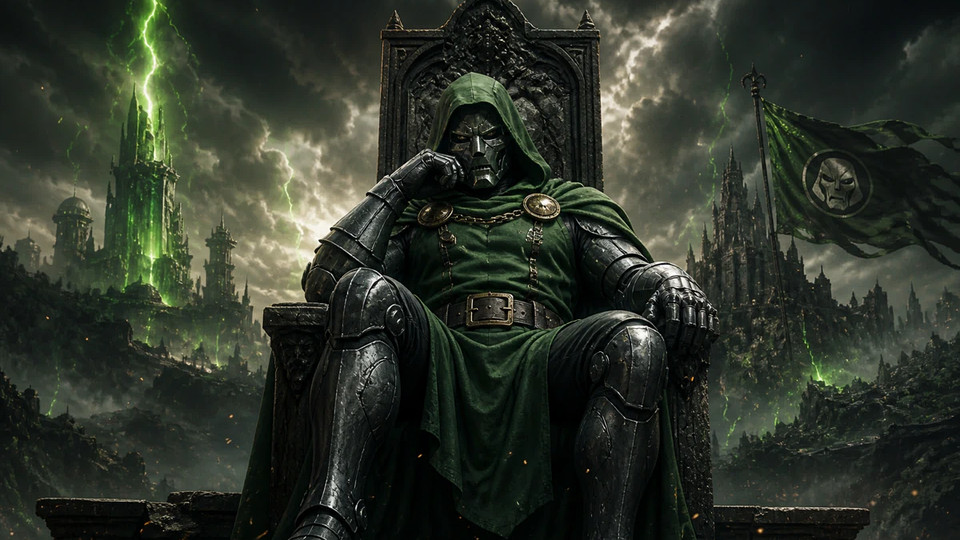
Play the game as far as you like. Just do not mistake it for a leak. Marvel Studios never put Latveria or Doom's name anywhere near Captain America: The Winter Soldier, and there is no evidence anyone on that production was thinking about him — Doom's live-action film rights sat with a different studio for most of the 2010s, only returning to Marvel years after Zola's tapes were written. The debate over what Robert Downey Jr. even playing Doom means for the character is a very 2026 argument; it did not exist in 2014.
Reality Check: What's Confirmed and What's Theory
Because this is exactly the kind of article that gets screenshotted out of context, here is the split laid out plainly, one more time.
| Confirmed | Theory / invented for this piece |
|---|---|
| The Zola algorithm scene and Project Insight are real, on-screen plot points in Winter Soldier | A Hydra file specifically naming Latveria or Victor von Doom |
| Sebastian Stan is on the confirmed Avengers: Doomsday cast list, returning as Bucky Barnes | What role Bucky actually plays in Doomsday's plot |
| Robert Downey Jr. plays Doctor Doom in Avengers: Doomsday, out 18 December 2026 | Any on-screen link between Doom and Hydra's surveillance operation |
| Sitwell's rooftop dialogue names Bruce Banner and Stephen Strange as algorithm-flagged threats | Latveria or Doom being flagged by that same algorithm |
Nothing in the left-hand column is up for debate. Everything in the right-hand column is fans, including us in this article, filling gaps with imagination — a perfectly good way to enjoy a rewatch, as long as nobody dresses it up as reporting.
The Real Reason to Rewatch: Bucky Barnes Isn't Finished
Strip the Latveria game out entirely and Winter Soldier is still the most useful rewatch on any pre-Doomsday list, because Bucky Barnes's story is the one confirmed, load-bearing thread running from this film straight into December.
Where the Winter Soldier Left Off
By the end of the film, Bucky has pulled a half-drowned Steve Rogers out of the Potomac and walked away rather than face him. He is barely a person at that point — decades of Hydra programming stacked on top of genuine grief, with only fragments of memory breaking through. The Smithsonian exhibit that opens the film lists him as a casualty of 1945; the movie spends its second half quietly arguing that he is not gone, just buried.
From the Potomac to Capitol Hill to the New Avengers
That thread runs a genuinely long way. Civil War, the Wakandan deprogramming, a television series built around his attempt to live with what Hydra made him do, and then Thunderbolts* in 2025, which found Bucky elected as a congressman from Brooklyn, trying to fix things through legitimate politics for once. He pushes for the impeachment of a CIA director running an unsanctioned super-soldier programme off the books, then abandons the political route entirely once he sees what she is actually building, stepping back into operative work as a founding member of the New Avengers by the credits.
Thunderbolts* even closes on its own post-credits scene: the newly formed New Avengers picking up a signal from a ship crossing over from another dimension, a clear nod toward the Fantastic Four's arrival in this timeline. What that has to do with Doomsday specifically is still unconfirmed. Sebastian Stan and director Jake Schreier have both since suggested Bucky's political career is essentially over — Schreier called that chapter 'pretty well done' — which tracks with a man about to be needed as a fighter, not a legislator. It also sits close to the ongoing argument over how far Steve Rogers' own Hydra entanglement really went, a debate this film effectively started.
What Doomsday Could Actually Do With That History
Nobody — not Marvel Studios, not the Russos, not Sebastian Stan — has said what Bucky is actually doing in Doomsday beyond being part of the cast. That is unconfirmed, full stop. But it is not hard to see why a former Hydra weapon turned New Avenger, someone with firsthand experience of what unaccountable, secretive power looks like from the inside, is a useful character to have in a film about a multiversal despot arriving with an army. That is a connective thread the earlier films actually earned, unlike anything involving Latveria.
Why the Spy-Thriller Machinery Still Holds Up
A Surveillance State Built From Real Anxieties
Part of why Captain America: The Winter Soldier gets rewatched at all, Doom theories aside, is that it plays less like a superhero movie and more like a paranoid 1970s political thriller with a shield thrown in. Mass data collection, strikes justified as prevention, an intelligence agency compromised from the inside for generations — none of that needed an alien invasion to feel frightening in 2014, and none of it needs one now.
Three Helicarriers, One Very Bad Afternoon
The climax is still one of the best-constructed set pieces Marvel Studios has produced: three Insight helicarriers, built to execute Hydra's kill list from the sky, get their targeting turned against each other and come down in the Potomac and into the Triskelion itself. SHIELD collapses publicly in the fallout, its secrets dumped onto the internet by Natasha Romanoff, a decision the franchise is still quietly dealing with the consequences of more than a decade of story later.
None of that needs a Latveria subplot to matter. It holds up entirely on its own, which is exactly why it is worth putting back on before December.
Should Winter Soldier Be Your Next Doomsday Rewatch?
If you are rationing rewatches before 18 December, here is the honest pitch for spending one of them here.
- Sebastian Stan's confirmed return as Bucky Barnes gives this film's ending real, ongoing stakes rather than nostalgic ones.
- The Hydra-inside-SHIELD collapse is still the reference point this universe uses for how public trust breaks down, something Avengers: Doomsday will have to reckon with at a much bigger scale.
- It is simply one of the best-constructed thrillers Marvel Studios has made, Doom or no Doom, Latveria file or no Latveria file.
- And yes, the Zola scene is still a genuinely fun place to pause, squint, and invent your own files, as long as you remember it is a game, not a leak, and the bigger, more serious Doom theories live elsewhere on this site.
Check the wider MCU timeline if you want the full runway from 2014 to December. But minute for minute, Captain America: The Winter Soldier is still one of the sharpest two hours Marvel Studios has ever put together, Latveria file or not.
Frequently asked
Does Captain America: The Winter Soldier actually mention Doctor Doom or Latveria?
Is Sebastian Stan confirmed to return as Bucky Barnes in Avengers: Doomsday?
What is the Zola algorithm in Captain America: The Winter Soldier?
When does Avengers: Doomsday come out?
Who plays Doctor Doom in Avengers: Doomsday?
Is there a real Winter Soldier Doctor Doom easter egg pointing to Latveria?
Characters in this story
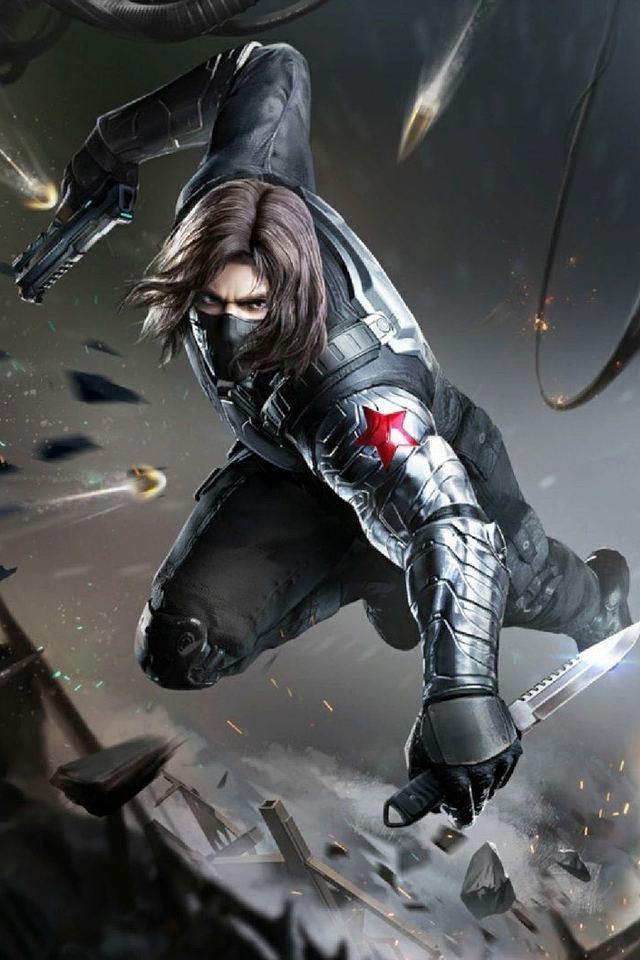
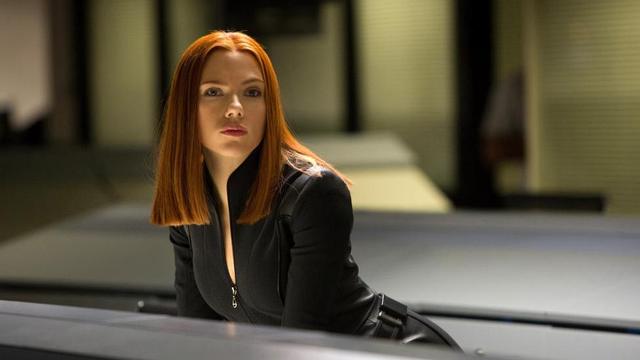
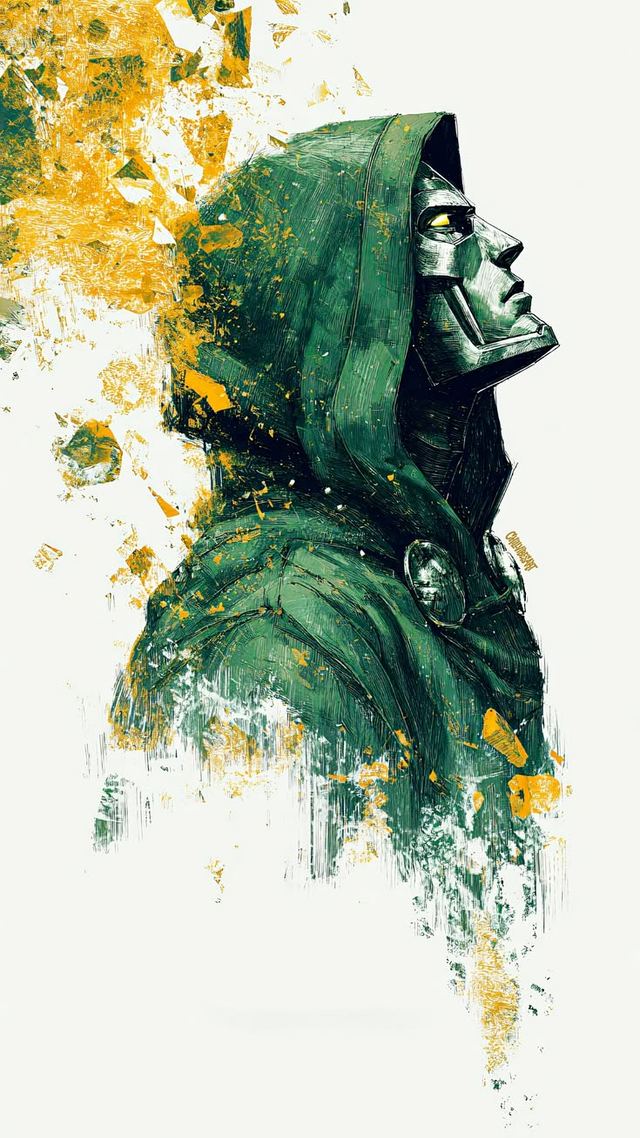
Catching up on the MCU? See where this fits on our full timeline.
Read next
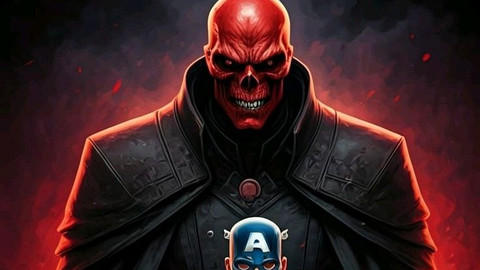
Is the Red Skull Still Alive on Battleworld?
Red Skull vanished after Endgame and nobody explained why. Here's the theory that he's not dead, just cursed…
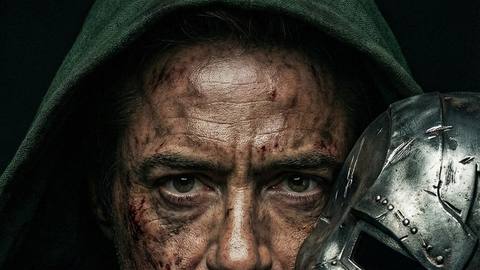
Is RDJ's Doctor Doom Erasing Victor Von Doom's Romani Roots? The Backlash, Examined
RDJ's casting is confirmed and, by now, old news. What's still actively being argued is narrower and sharper: does…
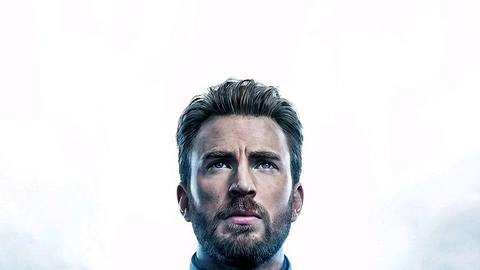
Hydra Cap or Nomad Steve? This Site's Own Theories, Weighed Against Each Other
This site has now made the case for a Nomad-variant Steve, a Hydra-branch Steve, and the argument that Doom…